Why Independent Bookshops Still Matter in a Digital World
For years, many believed that independent bookshops would slowly disappear. As online retailers expanded and e-books promised to change the way we read, the future of the traditional bookshop seemed uncertain.
Yet despite these changes, independent bookshops remain an important part of many towns and cities. In an age where convenience often dominates our choices, the continued appeal of the bookshop says something remarkable about what people are really looking for.
More Than Just a Place to Buy Books
A good independent bookshop offers something that no online marketplace can fully replicate: the joy of discovery. Rather than searching for a specific title, visitors often wander through the shelves with no particular destination in mind. A striking cover, an unexpected recommendation or a conversation with a bookseller can introduce readers to authors they might never have found through an online algorithm.
This kind of browsing encourages curiosity. Research into consumer behaviour has shown that physical environments influence the way people explore and make decisions. In a bookshop, readers are free to slow down, pick up a book, read a few pages and follow their interests naturally. The experience feels less transactional and more personal, turning the simple act of buying a book into an enjoyable afternoon.
The Human Recommendation Still Matters
Recommendation algorithms have become increasingly sophisticated, suggesting books based on previous purchases, browsing history and reading habits. They are undoubtedly convenient, but they also have limitations. Algorithms are designed to predict what we are likely to enjoy, which often means recommending books that are similar to those we have already read.
Booksellers approach recommendations differently. They listen to readers, ask questions and understand that the perfect book is not always the obvious choice. A conversation can uncover interests that no algorithm could predict, leading someone towards an unfamiliar author, a forgotten classic or a completely different genre.
That human element is one of the reasons independent bookshops continue to attract loyal customers. Readers often return not simply because of the books themselves, but because they value the expertise and enthusiasm of the people behind the counter.
Bookshops Have Become Community Spaces
Modern independent bookshops are rarely just retail spaces. Many have evolved into cultural hubs that host author talks, book launches, reading groups, workshops and children’s events. These gatherings bring together people who share a love of literature and create opportunities for conversation in an increasingly digital world.
This sense of community has become particularly valuable at a time when many social interactions take place through screens. Visiting a bookshop offers a slower, more intentional experience. People spend time discussing ideas, exchanging recommendations and discovering perspectives that differ from their own. In many ways, the bookshop has become a meeting place as much as a marketplace.
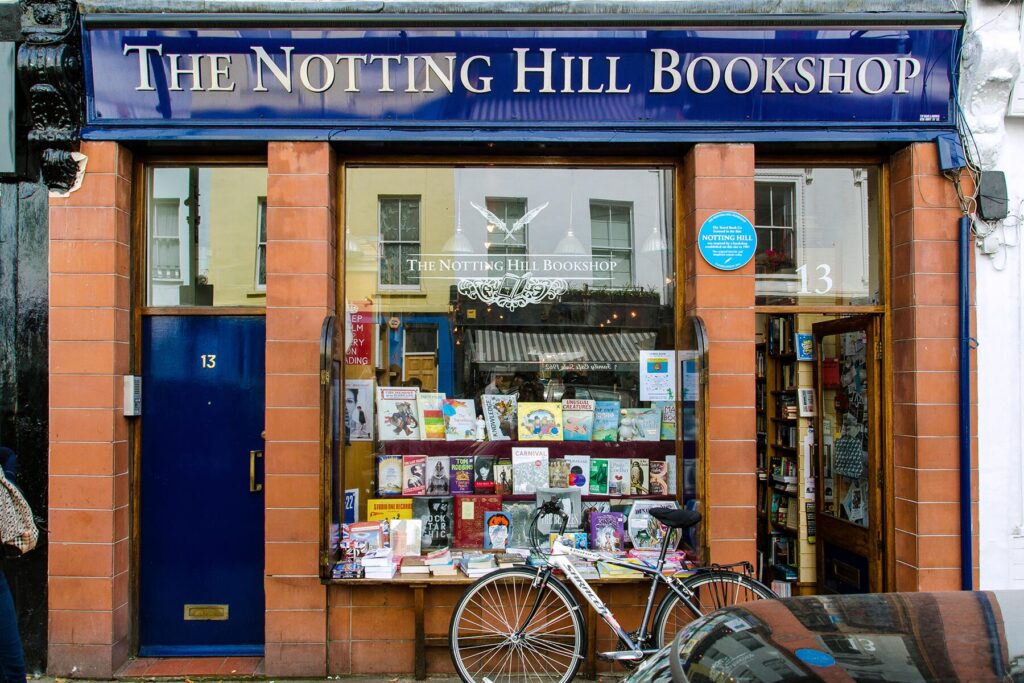
One of the most famous examples is The Notting Hill Bookshop in London, which inspired the bookshop featured in the beloved film Notting Hill. Visitors travel from around the world not simply to purchase a book, but to experience the atmosphere of a place that has become part of literary and cinematic culture. Its enduring appeal demonstrates that people are often searching for experiences and stories, not just products.

Belgium has its own remarkable examples. In Brussels, Passa Porta has established itself as one of the city’s leading literary destinations, bringing together readers, writers and thinkers from across Belgium and beyond. Through author events, multilingual collections and cultural programming, it reflects the international spirit of Brussels while showing how independent bookshops continue to play an important role in modern urban life.
These spaces remind us that a great bookshop offers something far more valuable than convenience. It creates opportunities for discovery, conversation and connection, qualities that are becoming increasingly precious in a world that often moves too fast.
Reading Is Experiencing a New Appreciation
The digital world has made information more accessible than ever before, but it has also increased the pace of everyday life. Endless notifications, short-form videos and constant scrolling compete for our attention from the moment we wake up until we go to sleep. Against this backdrop, reading offers something increasingly rare: sustained focus.
Studies have shown that reading books can improve concentration, reduce stress and strengthen empathy by allowing readers to engage deeply with different characters and perspectives. It is perhaps no surprise that many people are consciously making more time for reading as a way to disconnect from the constant demands of digital life.
Independent bookshops naturally support this shift. They encourage readers to slow down, explore thoughtfully and choose books that genuinely spark their curiosity rather than simply following the latest online trend.
Supporting Local Culture
Choosing to buy from an independent bookshop is also a way of supporting the local cultural economy. Independent booksellers frequently champion emerging authors, stock titles from smaller publishers and organise events that would be unlikely to take place in larger retail environments. Their selections often reflect the character of the neighbourhoods they serve, giving readers access to books that may not appear on bestseller lists.
This diversity benefits both readers and writers. It creates space for new voices, niche subjects and local stories to find an audience. In a publishing landscape increasingly shaped by global trends, independent bookshops help preserve variety and encourage literary discovery.
A Different Kind of Luxury
Luxury today is increasingly defined by experiences rather than possessions. In that sense, spending an hour browsing a carefully curated bookshop can feel surprisingly luxurious. There is no pressure to rush, no endless stream of notifications and no algorithm competing for your attention. Instead, there is quiet, curiosity and the possibility of finding a book that changes the way you think.
That experience cannot be delivered in a cardboard box. It depends on atmosphere, conversation and the pleasure of discovering something unexpected. While technology has undoubtedly transformed the way we buy books, it has not replaced the unique feeling of walking through the door of a good bookshop.
The Final Chapter
Independent bookshops have survived not because they compete with online retailers on speed or price, but because they offer something fundamentally different. They celebrate discovery over convenience, conversation over algorithms and community over transactions.
As our lives become increasingly digital, places that encourage us to slow down and engage with ideas are becoming more valuable, not less. The next time you are looking for your next read, consider stepping into an independent bookshop. You may leave with more than just a new book, you may leave with a new perspective.
Key Takeaways
- Independent bookshops offer a browsing experience that algorithms cannot replicate.
- Booksellers provide personalised recommendations based on conversation rather than data.
- Many bookshops have become important community and cultural spaces.
- Reading offers a welcome break from the distractions of digital life.
- Supporting independent bookshops helps sustain local authors, publishers and neighbourhoods.
- Physical bookshops continue to thrive because they provide an experience, not just a transaction.
Further Reading
Stay Connected
Subscribe to the Together Magazine newsletter for thoughtful articles on culture, lifestyle, books, wellbeing and modern living. You’ll also receive the latest recommendations for museums, exhibitions, restaurants, festivals and unforgettable experiences across Brussels and Belgium, delivered straight to your inbox.
The post Why Independent Bookshops Still Matter in a Digital World appeared first on Together Magazine.