When Sustainability Promises Meet Business Reality

Corporate climate promises have become commonplace, but delivering them remains a far more demanding undertaking. Research published in July 2026 by The Conference Board and ESGAUGE found that 84 per cent of S&P 500 companies disclosed climate targets in 2025. Yet 62 per cent of those with Scope 3 targets reported flat or rising emissions across their value chains since 2021.
The consequences extend beyond corporate reputation. Companies struggling to deliver their climate commitments may face rising operating costs, changing regulatory requirements, supply-chain risks and greater scrutiny from investors and customers. As sustainability becomes increasingly connected to commercial performance, the credibility of a company’s environmental strategy is emerging as an indicator of its broader business resilience.
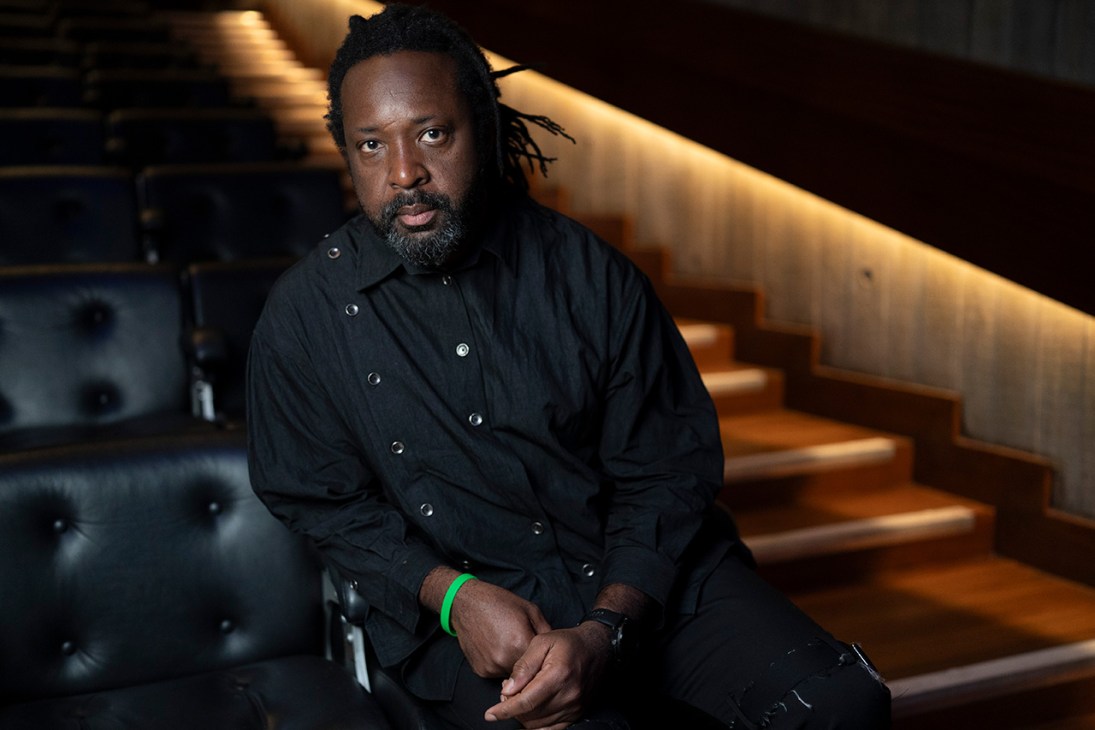
Yina Chua, Senior Advisor at KPMG Singapore, sees the challenge in translating public commitments into investment and operational decisions. With more than 15 years of experience across infrastructure, the built environment, water and industrial sectors in Asia, Chua leads the EWTP Decarbonisation Programme, bringing together industry and government partners to accelerate practical transition efforts. She also co-developed The Decarbonisation Playbook and previously served as chief sustainability officer of a 38-hectare campus.
“Setting a climate target is an act of ambition. Delivering it is a test of leadership,” she says. The controversy lies in determining whether corporate sustainability ambitions are matched by the resources and accountability required to achieve them.
The Cost of Turning Ambition Into Action
Many companies have improved their ability to measure emissions and publish targets. Progress becomes harder when those commitments must influence procurement contracts, product design, supplier relationships and capital expenditure.
Scope 1 covers emissions from a company’s own operations, while Scope 2 accounts for emissions from purchased energy. Scope 3 encompasses indirect emissions across its wider value chain, including suppliers, transportation and product use, making them considerably harder to control.
Chua argues that effective decarbonisation requires governance and economic incentives alongside environmental expertise. Sustainability targets become meaningful when they influence the decisions that determine how a business operates.
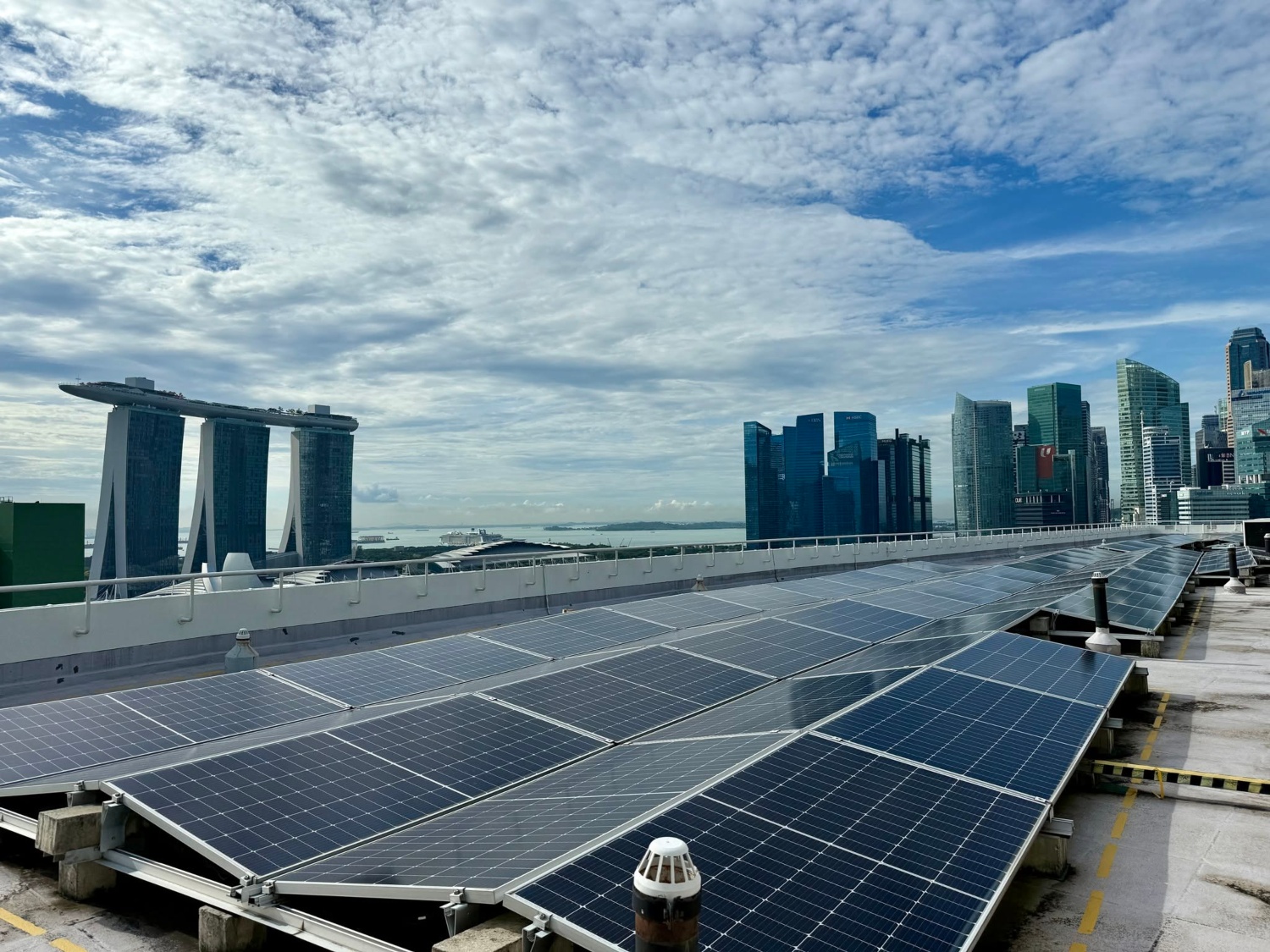
She recommends prioritising energy efficiency, intelligent building systems and process optimisation, where lower emissions can coincide with reduced operating costs. Businesses can then assess exposure to future carbon prices and supply disruptions, protect customer and market access, and consider longer-term investments in low-carbon materials, electrification and circular systems.
Sustainability investments increasingly require the same financial discipline as other capital decisions. Their value must be assessed through potential returns, risk reduction and strategic relevance. Treating decarbonisation purely as an ESG expense can obscure opportunities to strengthen operational efficiency and long-term competitiveness.
A Retreat or a Credible Recalibration?
Some companies are revising climate targets as their understanding of technology, supply chains and transition costs improves. Such changes can invite accusations of retreat, particularly when earlier promises attracted significant publicity. Yet a target established without a credible implementation plan may offer investors limited assurance, however ambitious its deadline.
“Revising a target is not necessarily a failure. Revising it without accountability is,” Chua says.
She identifies four tests for credible recalibration: a transparent explanation, maintained interim milestones, committed investment and consistent disclosure of progress. Extending a deadline while preserving these elements can strengthen the credibility of a strategy. Delaying targets while withdrawing funding or abandoning measurement presents a different proposition.
This creates a more complicated assessment of corporate credibility. A revised climate target may reflect improved understanding of operational risks, while another may signal weakening commitment or insufficient investment. The distinction becomes apparent through capital allocation, interim milestones and measurable performance.
A business facing genuine engineering or supply-chain constraints may progress more slowly than anticipated. The credibility of its commitment ultimately rests on demonstrable action, sustained investment and measurable progress. Attractive sustainability messaging provides little assurance without supporting evidence.
Southeast Asia’s More Difficult Equation
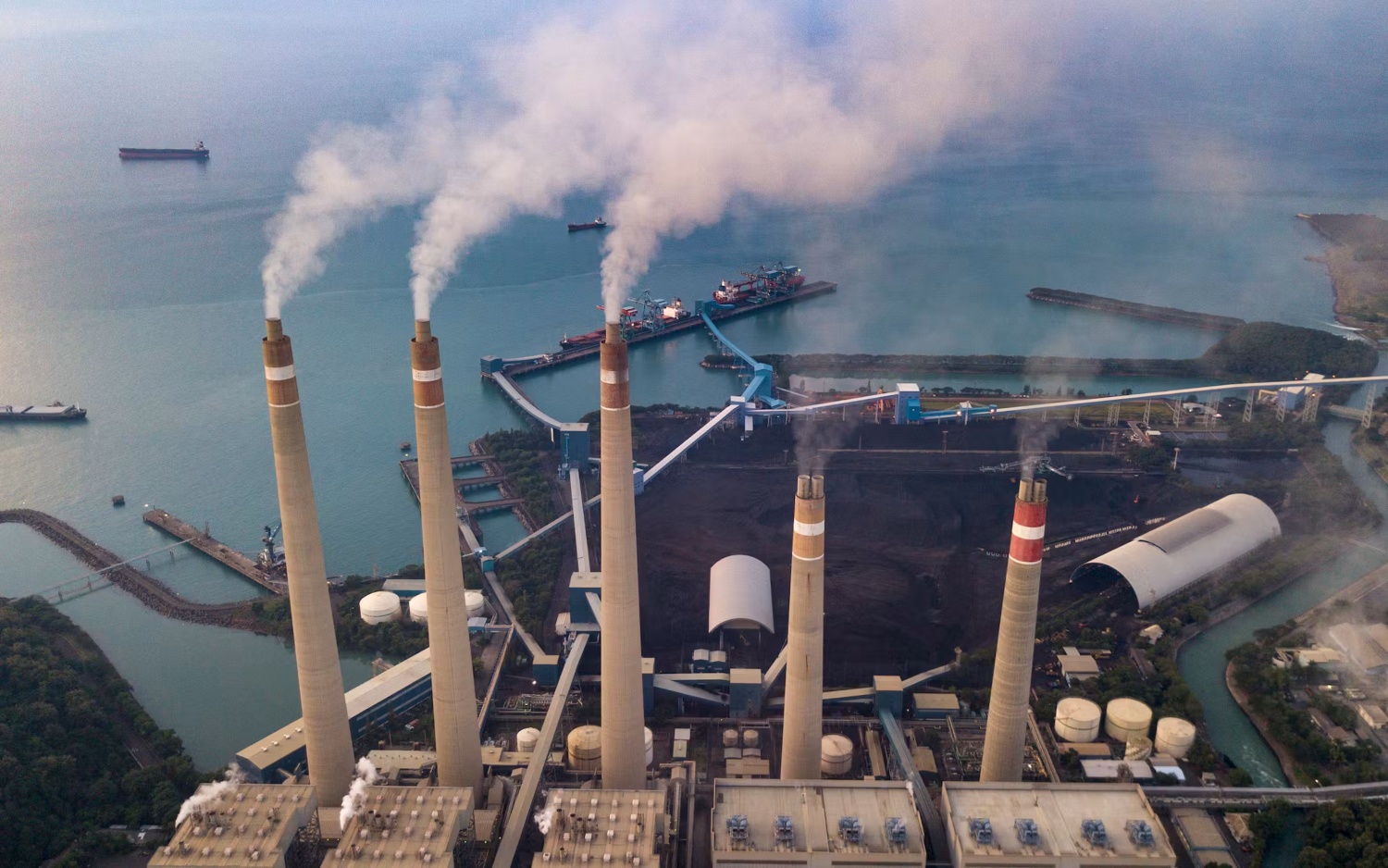
The transition is especially complex across Southeast Asia. Regional businesses operate within different power systems, regulatory frameworks and levels of industrial development. Chua notes that coal generated around 62 per cent of electricity in Indonesia and the Philippines in 2023, limiting cleaner power options for businesses seeking to reduce emissions.
Smaller suppliers create another challenge. Micro, small and medium enterprises account for more than 97 per cent of businesses across ASEAN, according to figures cited by Chua, yet many lack the financing, specialist knowledge and data systems needed for decarbonisation. Multinational companies may therefore depend on thousands of suppliers with limited capacity to support their climate commitments.
The region must balance affordable energy and economic growth with the demands of a lower-carbon future. Chua nevertheless identifies an opportunity: new infrastructure and industrial developments can incorporate efficient systems from the outset, avoiding some of the expensive retrofits required in older markets.
Greater collaboration between large buyers, suppliers, financiers and governments will be essential if corporate commitments are to produce measurable results throughout regional value chains.
Sustainability as Competitive Strategy
The financial consequences of decarbonisation are becoming more tangible. Singapore’s carbon tax rose to SGD 45 per tonne in 2026 and is intended to reach SGD 50 to SGD 80 by 2030. Emissions increasingly carry a direct cost for affected businesses, while customers and lenders may impose additional sustainability requirements.
Chua challenges the assumption that decarbonisation necessarily damages competitiveness. Although immediate investments can be substantial, postponing them may increase exposure to energy costs, regulatory changes and supply-chain disruptions.
Singapore’s built environment provides evidence of how commercial and environmental benefits can overlap. According to the Building and Construction Authority and Singapore Green Building Council, Green Mark-certified buildings collectively save more than 4.2 billion kilowatt-hours annually, representing approximately SGD 1.3 billion in energy cost savings. These aggregate figures demonstrate how efficiency investments can generate measurable economic value.
The consequences extend beyond operating costs within the luxury sector. Premium pricing depends partly on perceptions of quality, provenance and trust, while sustainability claims increasingly form part of how brands communicate these values. A maison promoting responsible sourcing without credible supply-chain oversight risks exposing a gap between its positioning and business practices.
In an industry where reputation contributes substantially to desirability, sustainability credibility becomes a commercial consideration alongside environmental responsibility.

Follow the Money, Not the Slogan
Investors and other stakeholders assessing corporate sustainability claims should examine measurable outcomes, financial commitments and executive accountability. Chua advocates evaluating whether absolute emissions are declining, whether capital budgets support stated targets and whether sustainability responsibilities extend across management and supply chains.
“A sustainability report tells us what a company wants the world to know. Its capital allocation tells us what it is prepared to do,” she says.
Heavy reliance on offsets, changing performance metrics and vague claims should prompt closer scrutiny, particularly when sustainability narratives remain disconnected from operational decisions. Transparent disclosure of setbacks and trade-offs can also provide greater insight into a company’s transition strategy.
These indicators provide a clearer measure of whether sustainability commitments are embedded in business operations or serve primarily as reputational exercises. Within the luxury sector, scrutiny extends to the origins of materials, production processes and the credibility of responsible sourcing claims, where transparency increasingly contributes to perceptions of quality and trust.
The Next Test of Leadership
Chua expects sustainability to become increasingly inseparable from competitiveness by 2030. She argues that progress will depend on executive accountability, investment in skills and technology, and cooperation across supply chains.
As environmental commitments become more closely connected to operating costs, access to capital and consumer trust, businesses will face greater pressure to demonstrate that their sustainability strategies can withstand commercial challenges.
The implications extend across the business landscape, where credible sustainability commitments increasingly influence investment decisions, long-term competitiveness and corporate reputation. The ability to demonstrate responsible practices also reinforces the trust and authenticity that underpin desirability within the luxury sector.
The next measure of corporate sustainability will therefore extend beyond the targets companies announce. Their financial decisions, operational performance and willingness to remain accountable will reveal how seriously those commitments are being pursued.

Yina Chua, Senior Advisor at KPMG Singapore, brings over 15 years of experience in sustainability and decarbonisation across the Asia-Pacific region. She leads the EWTP Decarbonisation Programme and co-developed The Decarbonisation Playbook, drawing on her experience in corporate sustainability and industrial solutions to help businesses translate climate commitments into measurable operational progress.
For more on the latest in luxury business reads, click here.
The post When Sustainability Promises Meet Business Reality appeared first on LUXUO.