In Defence of the Mid-Market Watch
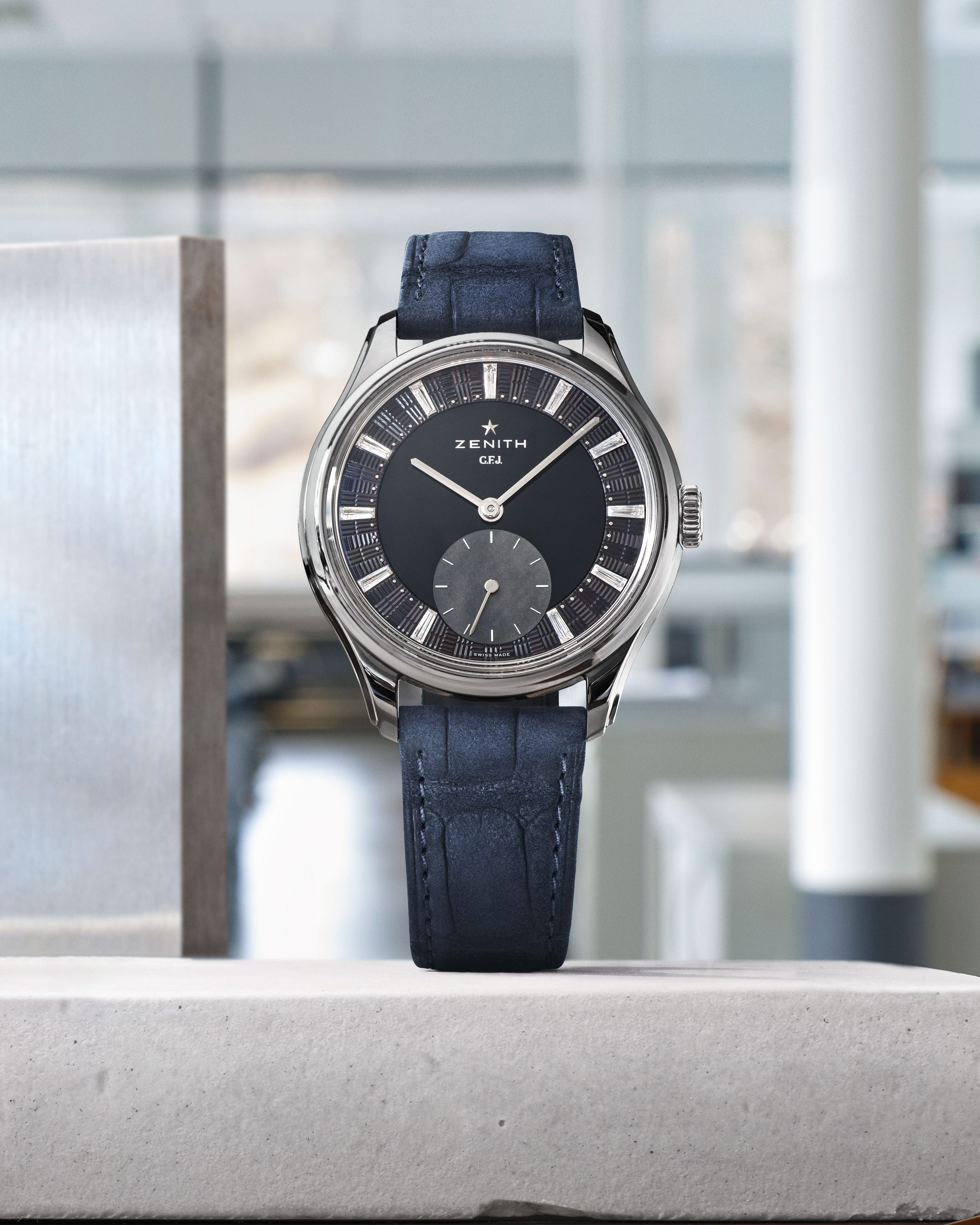
In the Jura town where Georges Favre-Jacot founded Zenith in 1865, the maker of one of the most important movements in mechanical watch history — the Zenith El Primero — is preparing for one of the biggest changes in its history. In late October, the manufacture opened a staff consultation on what it described as a strategic repositioning. The outline has since emerged through the Swiss press, with reports suggesting the plan could affect up to 100 of roughly 200 roles at the Le Locle manufacture, plus around 100 more in international sales and distribution. While the figures are not final — given the consultation is expected to conclude this month — Zenith’s intention to move upmarket has been made clear with a new focus on haute horlogerie lines such as its GPHG award-winning GFJ models, and the transition slated to be completed by 2029.
Zenith is but the latest in a series of watchmakers who are also repositioning upmarket. Zenith’s Le Locle neighbours Montblanc announced similar plans this autumn, while Richemont completed the sale of Baume & Mercier to the Damiani Group to sharpen its focus on its maisons that are further upmarket, in July. Girard-Perregaux also announced earlier in 2026 its plans to establish a presence upmarket, in the industrial-haute horlogerie segment.
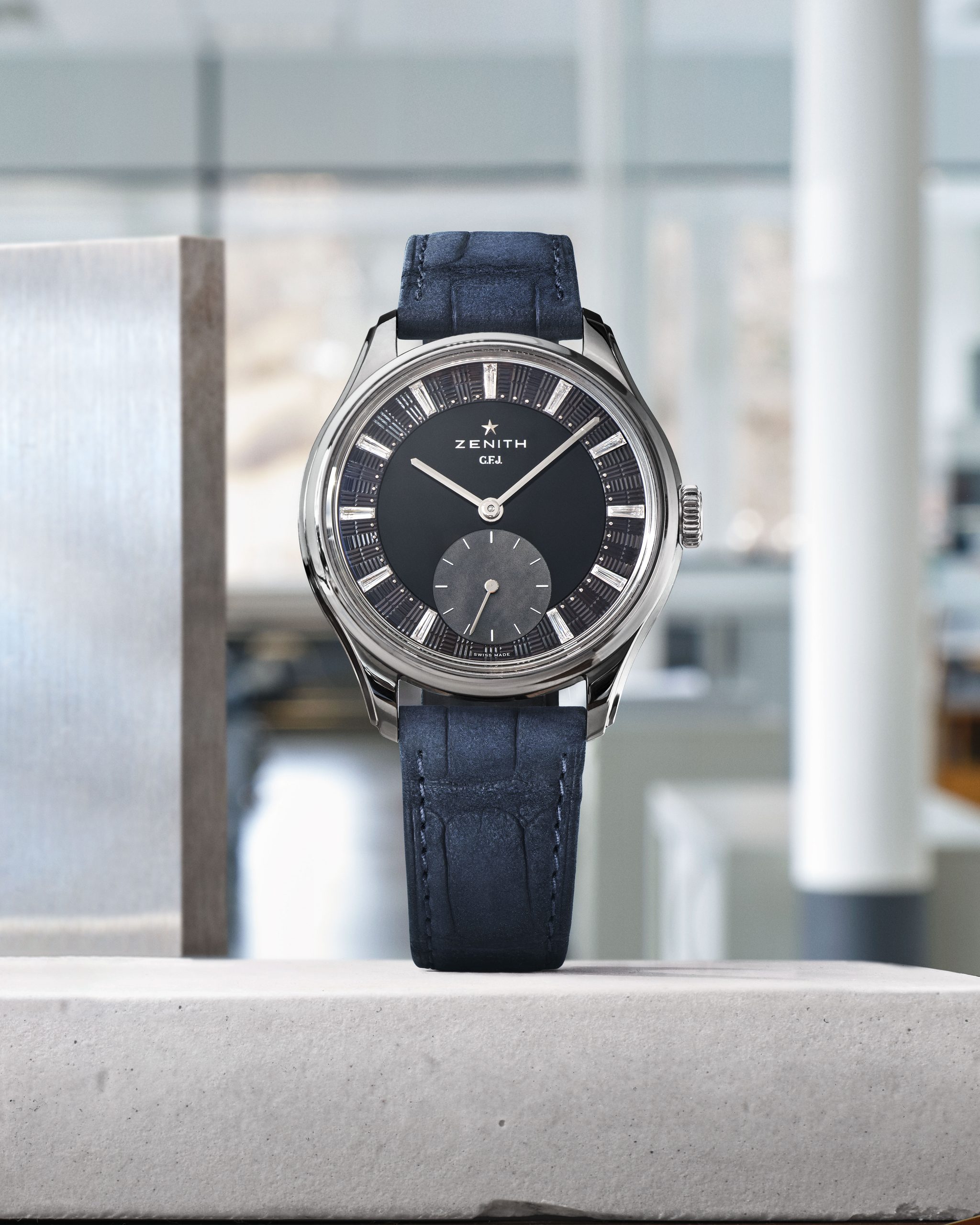
Together, these moves point to an industry stepping back from the segment that introduced a generation of buyers to Swiss watchmaking: mechanical watches priced in the low thousands to around S$18,700 (CHF 12,000).
While industry reports have noted that shifts in demand and growing competition from smartwatches have made the market more complex to navigate, the connected device being the reason behind the slowly emptying middle of the market is, on closer inspection, the wrong story.
Why the Case Against the Middle Does Not Hold
The argument deserves a fair hearing, given how smartwatches are now a common sight on millions of wrists. In Q2 2026, Huawei led global shipments with a record 22 per cent share, while Apple recorded the fastest YoY growth at 14 per cent. The logic follows easily — a buyer who once saved for a mid-market Swiss mechanical watch now spends that money on a device that tracks sleep, takes calls and pays for coffee, all in a singular package. Theoretically, the mid-market watch is losing its reason to exist — squeezed between the device below and the luxury trophy above — predicted by analysts when the Apple Watch first arrived a decade ago.
That said, the predictions have not played out in the way that analysts expected then. While smartwatches have undeniably had an impact on the Swiss watchmaking industry, this has mostly come at the bottom of the market. Morningstar found that exports of watches retailing below S$1,277 (US$1,000) fell 23 per cent between 2015 and 2019, while the luxury segment was largely unaffected — highlighting how a mechanical watch costing several thousand francs is a fundamentally different purchase from a device that is replaced every few years.
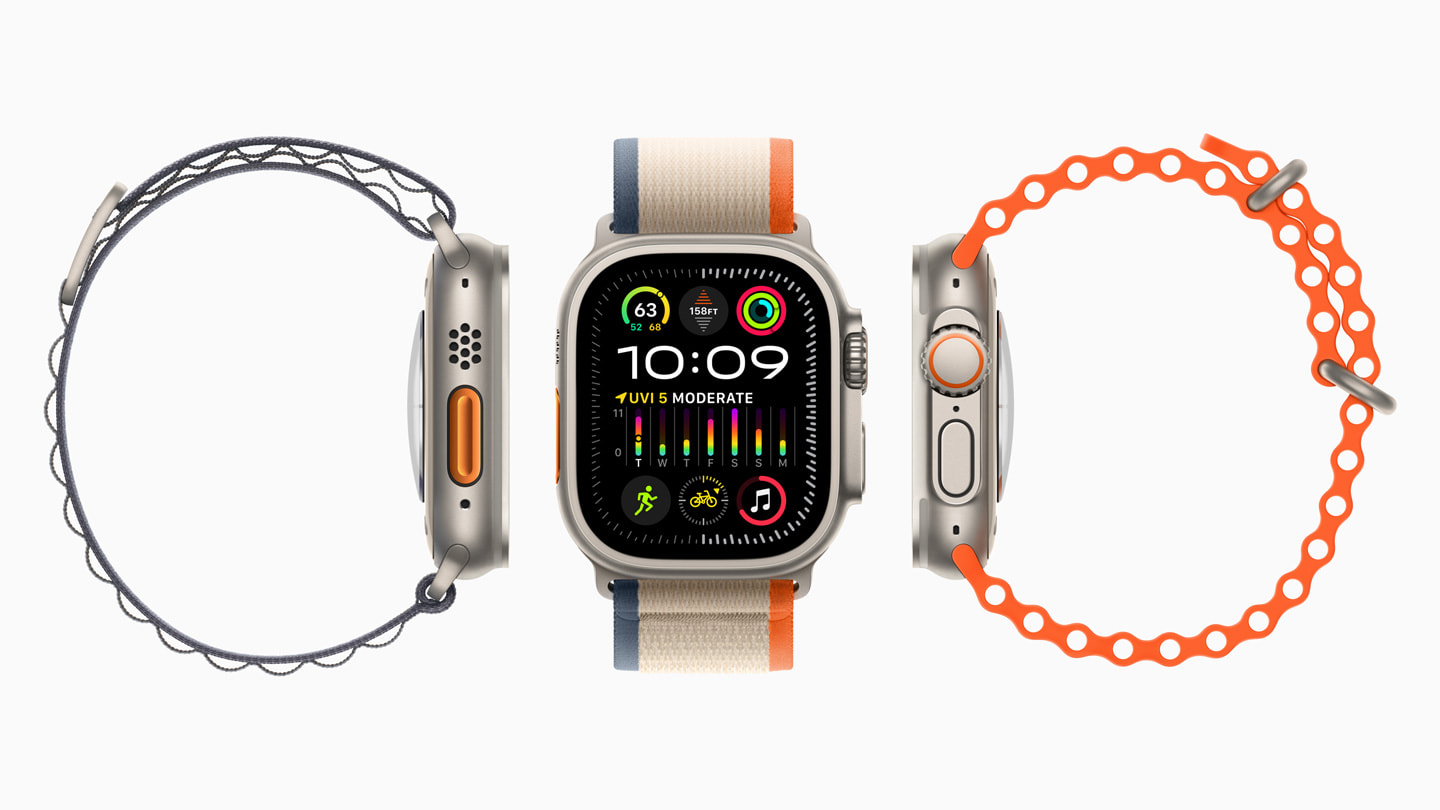
Furthermore, the smartwatch market is losing momentum: according to Counterpoint Research, global shipments fell 4 per cent year on year in the second quarter of 2026, the first decline in a year, with CCS Insight further forecasting a 4 per cent decline across the whole of 2026.
The data is telling — smartwatch owners are holding onto their devices for longer, because new iterations do not add enough new features to justify an upgrade. A category built on constant renewal is running into the limits of such a model. On the other hand, the Swiss watchmaking industry as a whole is far from collapse. Exports rose 11.7 per cent YoY in September 2026 to S$3.48 billion (CHF 2.23 billion), and watches priced S$4,680 (CHF 3,000) or more grew 9.9 per cent.
What the Mid-Market Still Offers
The limits of the smartwatch market points to the mid-market’s strength: that it does not need replacing. A well-made mechanical watch can be serviced, repaired and worn for decades, and its value is not contingent upon a software update or battery health.
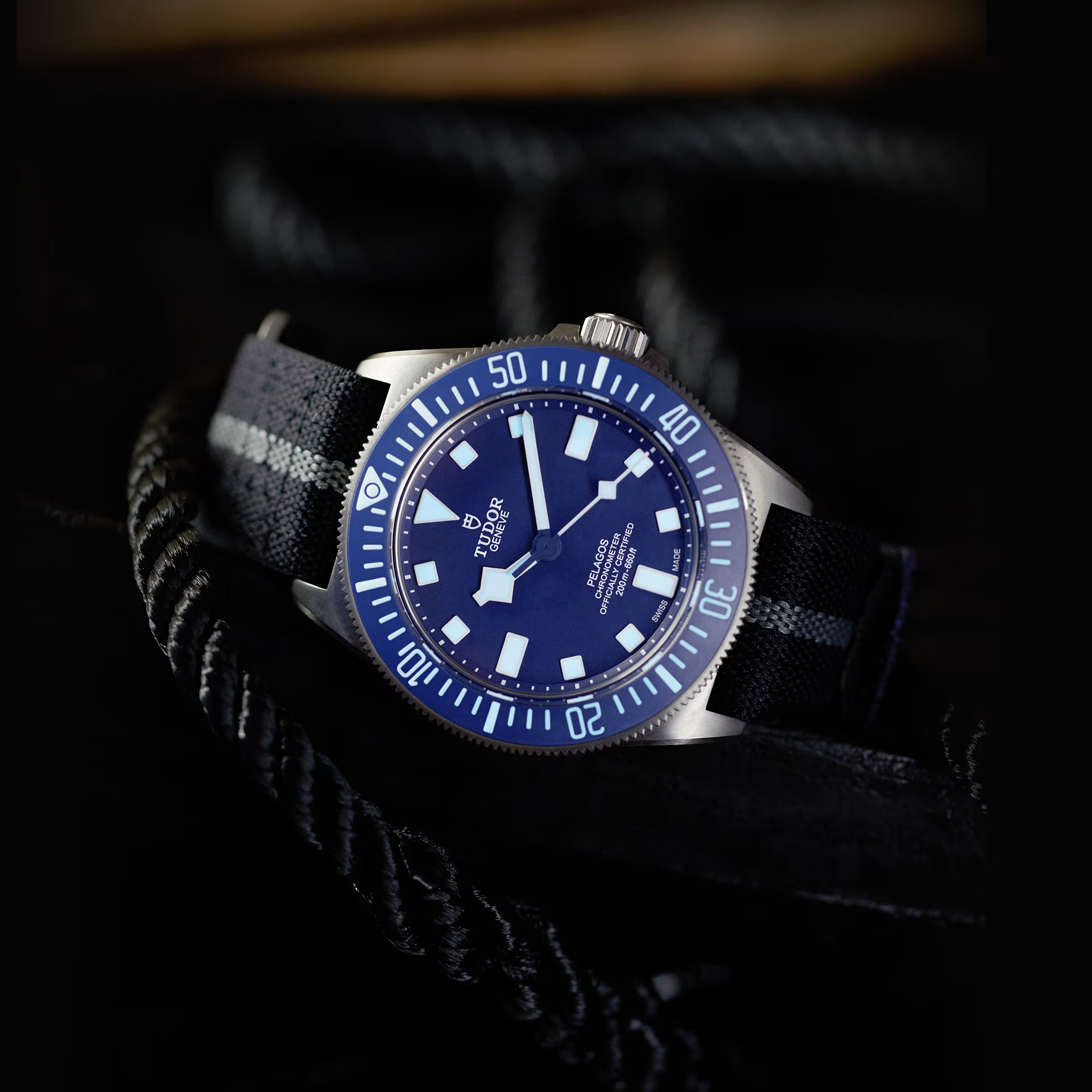
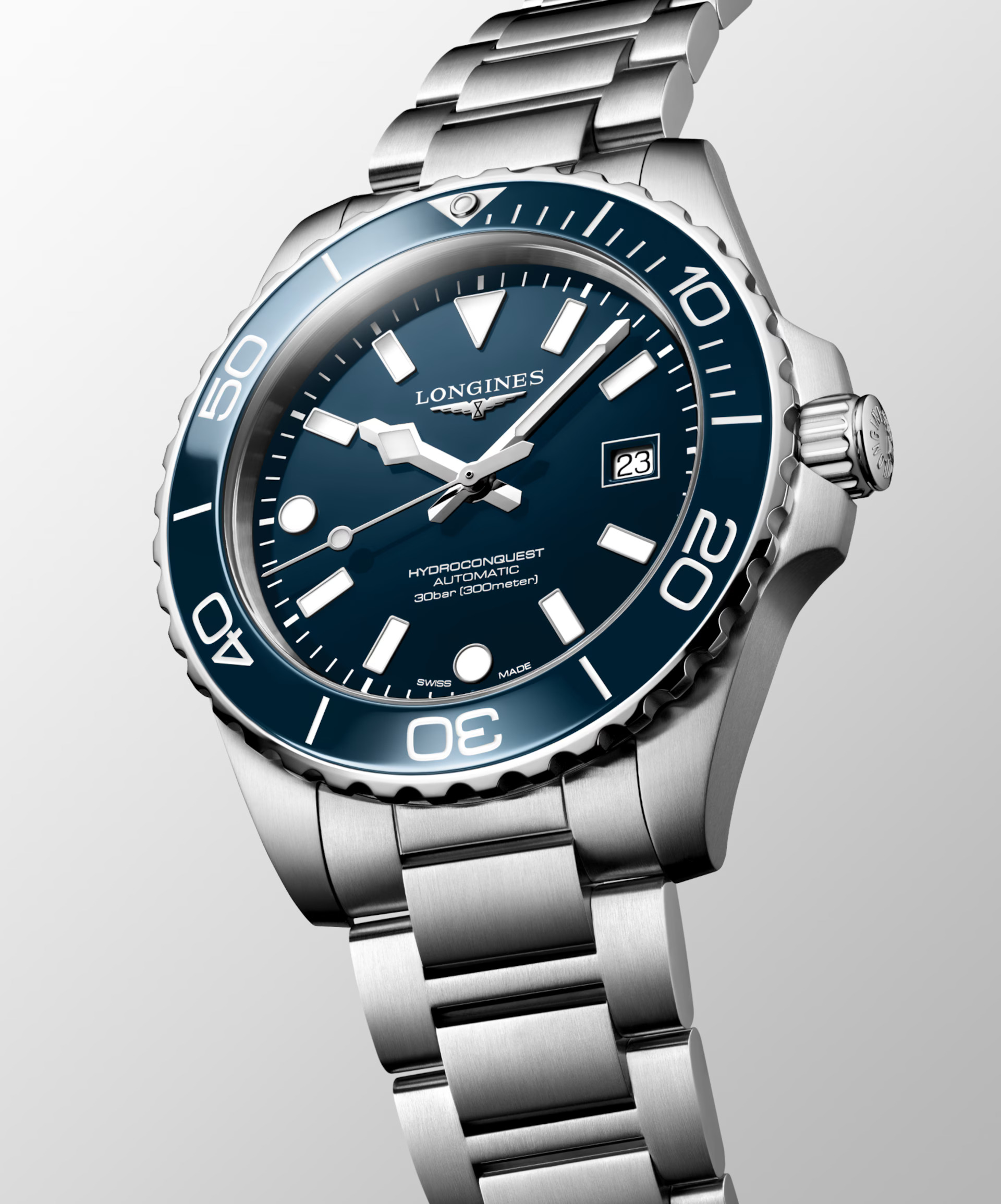
The watches themselves represent great value for the price commanded. Longines’ new Hydroconquest starts at S$2,800 with 300m of water resistance and a 72-hour power reserve; Tudor’s Pelagos FXD combines a titanium case with a COSC-certified chronometer movement from S$6,550; Frédérique Constant now offers a perpetual calendar for under ~S$15,600 (CHF 10,000). Typically, watches with such features would cost far more — exemplifying the substantial horological value that mid-market watches offer, at a price that is accessible to those beginning their foray into collecting.
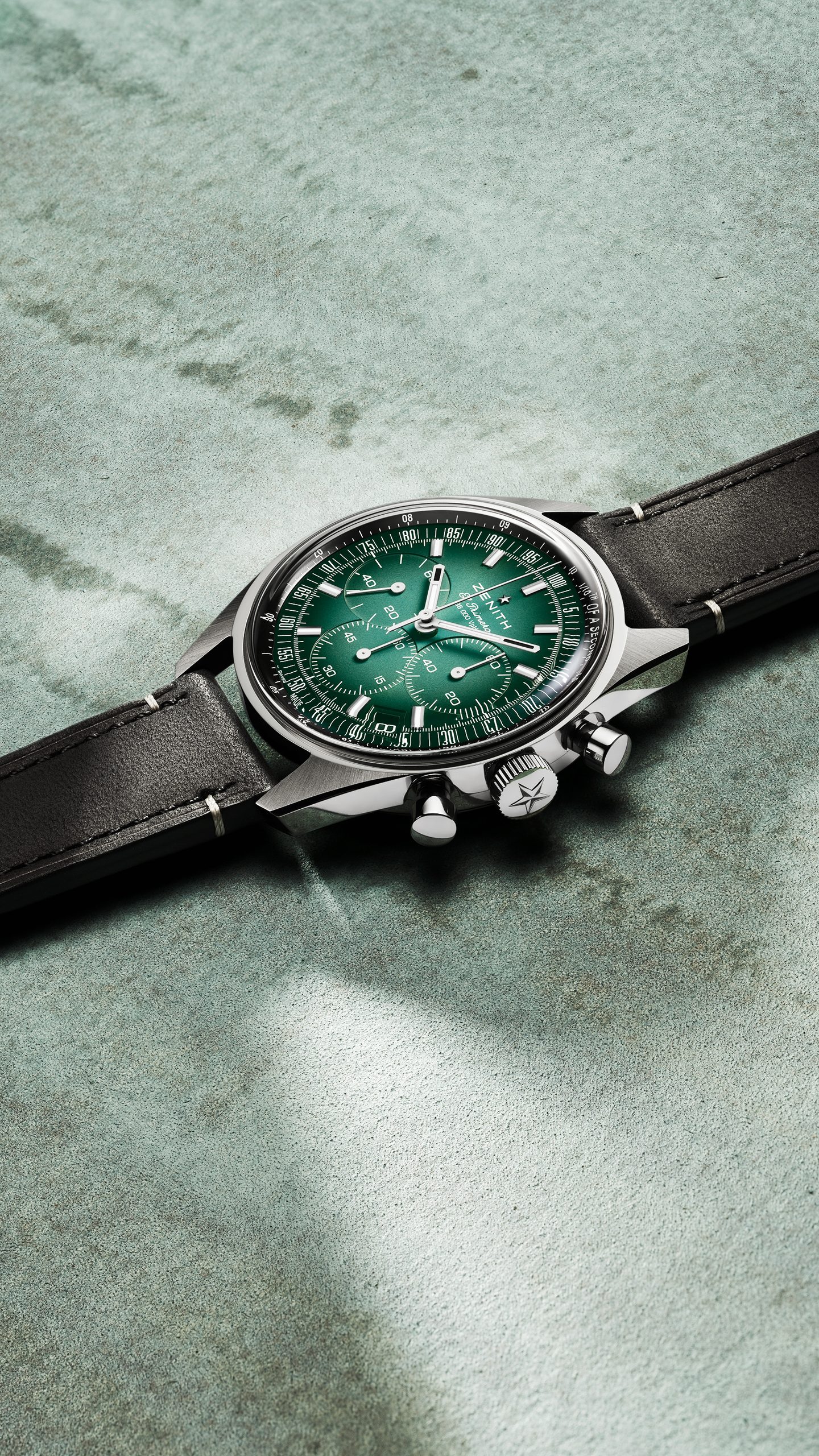
Furthermore, mechanical watches possess a quality no specification sheet can capture — a mid-market watch from, say, Zenith carries the same time honoured heritage, craft and design language as the houses in the haute horlogerie segment, but at a price within reach. As an example, the contemporary El Primero Chronomaster Original still carries the same high-frequency soul and aesthetic as its industry-saving predecessor, albeit with modern upgrades. For many collectors, such watches represent the first serious purchase — the one that turns burgeoning curiosity into a lifelong interest. A device bought for the functionality of its features rarely plays that role.
Hence, smartwatches and mid-market timepieces are not necessarily rivals at all — a smartwatch may measure a workout, while a mechanical mid-market watch marks a first crucial step into a hobby that lasts a lifetime.
Still Ticking
Zenith’s repositioning is a business decision shaped by currency, trade and cost, and the brand’s long history suggests it will navigate the change carefully. But the story told around it — that smartwatches are quietly retiring the accessible mechanical watch — does not match the evidence.
The smartwatch is a useful device in a maturing market, but the mid-market watch is something else: a well-made object that can last a lifetime, and the place where many collectors begin. As more manufactures look upward, those that stay in the middle may find they hold more value than the narrative suggests.
For more on the latest in luxury watch reads, click here.
The post In Defence of the Mid-Market Watch appeared first on LUXUO.