The Digital Experience Renters Expect Now Requires a Different Kind of Wi-Fi Strategy
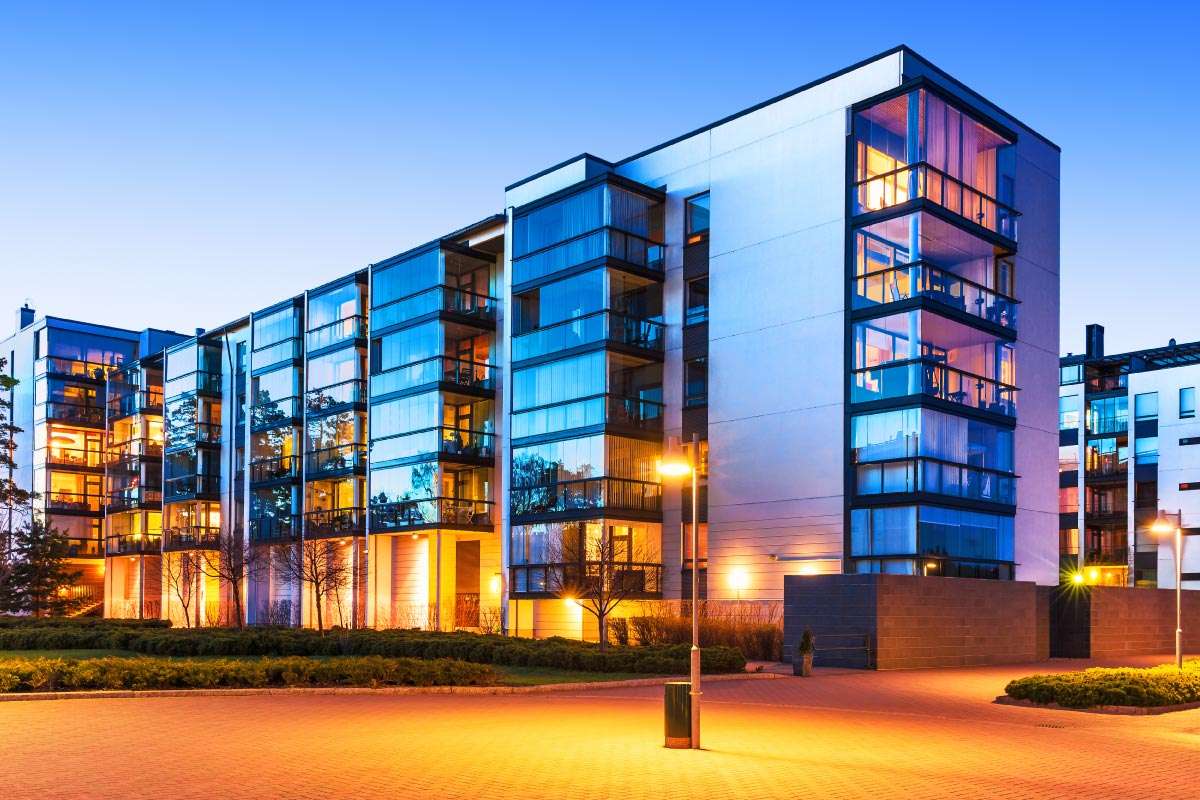
The amenity arms race in multifamily has been well documented. Resort-style pools, coworking lounges, fitness centers with Pelotons, package lockers, pet spas, the list of features that operators have added to stay competitive has grown considerably over the past decade. What has been slower to catch up is the invisible infrastructure that increasingly determines whether all of those amenities actually deliver on their promise. Digital connectivity has moved from a background utility to a core component of the resident experience, and the expectations attached to it are changing faster than most operators’ infrastructure is keeping pace. “Expectations are changing about what a good digital experience looks like,” said Jess Parsons, AVP of Marketing at Calix. “Having good Wi-Fi in-unit is no longer enough. Residents want to stay connected property-wide.” That shift changes the scope and the complexity of what operators need to provide, and it starts with providing the connectivity needed to help meet the growing expectations of modern renters.
The renter profile is changing in ways that directly affect what connectivity needs to deliver. The demographic that once defined the typical apartment resident, young professionals in their twenties renting as a transitional life stage, is now sharing the market with a growing cohort of older and more affluent renters who have chosen multifamily living deliberately. “Many of our customers are seeing more older and more affluent renters,” Parsons said. “They rent because they want to live in a place that has a community, and that often requires a digital aspect to help bring people together.” These are residents with high professional standards for connectivity, because many of them are working remotely or running businesses from their units. They also have high social expectations, because community is part of why they chose a managed property over a standalone home. Meeting both sets of expectations with a single network infrastructure requires a level of planning and investment that in-unit router deployments were historically never designed to support.

The community programming dimension is where that gap becomes most operationally visible. Properties are increasingly investing in activations, fitness classes, social events, pop-up markets, and collaborative work sessions that draw residents into shared spaces simultaneously. A yoga class in the amenity room, a watch party on the rooftop, or a working session in the coworking lounge all create concentrated moments of peak demand that can overwhelm networks designed for average load. “You need to work with a provider that really takes the time to understand the peaks and valleys of the demand and what kind of experience the property wants to provide,” Parsons said. A network that performs well on a quiet Tuesday afternoon but degrades during a community movie night isn’t delivering on the promise that brought residents into that space. Planning for peak demand will prevent the kinds of interuptions that can sour the way that residents feel about the property’s Wi-Fi and even the property itself.
The physical structure of each building introduces another layer of complexity that no standardized deployment approach can fully address. Construction materials, floor plate geometry, elevator cores, parking structures, and outdoor spaces all affect how a Wi-Fi signal propagates through and around a building in ways that vary significantly from property to property. Some buildings are located in areas with weak cellular signal, which means residents depend on Wi-Fi not just for streaming and browsing but for basic phone calls. “The planning process should include an on-site survey to understand how the building’s structure will hamper the signal in certain areas and the digital experience the property wants to provide across all spaces to ensure a thorough assessment,” Parsons said. That kind of site-specific assessment is what separates a network that covers a floor plan on paper from one that delivers consistent performance in every corner of the property that a resident might actually use. The pool deck, the parking garage, the mailroom, the dog run, these are not secondary coverage areas. They are part of the experience a resident is paying for.
The proliferation of technology throughout the building adds a further layer of demand that operators often don’t fully account for when they plan their network infrastructure. Smart access systems, package lockers, building management platforms, environmental sensors, EV chargers, video intercoms, and resident experience apps all generate network traffic that compounds with residential usage. “Properties should work collectively with prop tech vendors and their Wi-Fi providers so they can partner on planning how the systems will operate together and deliver the desired experience,” Parsons said. When a smart lock vendor, a building management software provider, and a resident app company all deploy their products independently without the network provider being involved could result in a set of competing demands and security requirements. Getting vendors to coordinate during planning and deployment rather than after complaints start arriving is a discipline that pays dividends in operational stability and resident satisfaction.
The separation of IoT devices from residential traffic is an area where best practice has become clear, but adoption remains uneven. Running smart building devices on a dedicated network segment separate from the network residents use for their personal devices is both a security measure and a performance measure. IoT devices that misbehave, whether due to a software vulnerability, a configuration error, or simply high polling frequency, can generate traffic that degrades the residential network experience if they’re sharing the same infrastructure. Keeping them separated protects residents’ data and their connection quality simultaneously. It also makes it considerably easier to troubleshoot problems when they arise, because the sources of traffic are cleanly isolated rather than intermingled.
The common thread running through all of these considerations is that Wi-Fi infrastructure is no longer a commodity input that can be treated as a line item to be minimized. It is the foundation that the modern resident experience is built on. A resident’s satisfaction with their home is increasingly inseparable from their satisfaction with its digital environment, which means that every frustrating dead zone, every dropped call in the lobby, and every sluggish connection during a community event is registered not just as a technical inconvenience but as a failure of the property to deliver on what it promised. The operators who understand that connectivity is infrastructure in the same way that plumbing and electrical are infrastructure, who invest in it accordingly and plan it with the same rigor, will find that the return shows up not just in network performance metrics but in retention rates, renewal conversations, and the reviews that the next prospective resident reads before they decide where to live.
The post The Digital Experience Renters Expect Now Requires a Different Kind of Wi-Fi Strategy appeared first on Propmodo.