Tesco urges Healey to slash ‘fundamentally unfair’ business rates
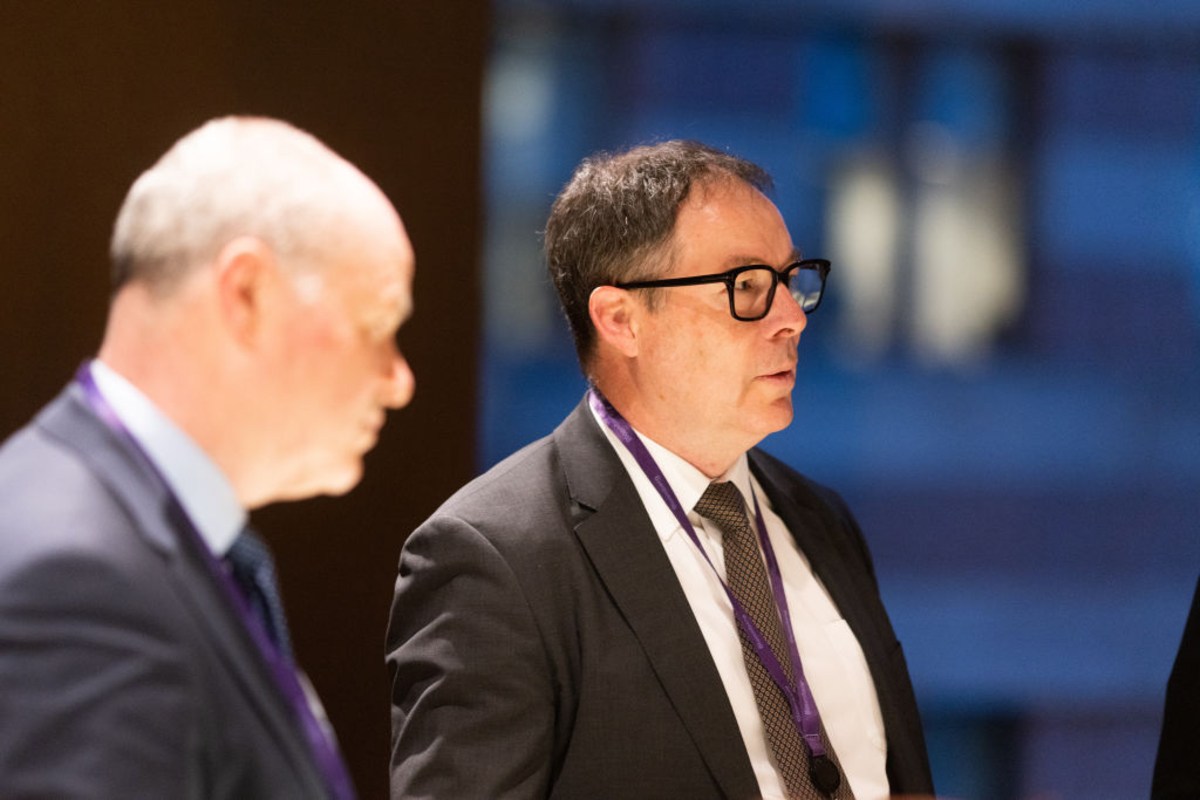
The boss of Tesco has urged John Healey to reform the “fundamentally unfair” business rates system and avoid a so-called warehouse tax.
Ken Murphy, chief executive of the UK’s biggest grocer, has become the latest retail industry figure to urge the Chancellor to cut taxes on high street businesses, as Andy Burnham pledges a revival of the country’s town centres.
The Prime Minister has reportedly been considering hiking the highest business rates multiplier to pay for tax cuts for pubs and smaller shops, but retailers have warned higher taxes on warehouses would push up prices for shoppers.
Murphy told reporters on Thursday: “We have long argued that the rate system is fundamentally unfair, that retailers pay – on average – four times their fair share of rates.
“We have urged the government for a more equitable rates system. Our one ask of the government going into this budget is that they exempt all retail businesses from the half-a-million pound rateable value threshold.”
In recent months, retail bosses have been ramping up pressure on Labour to commit to its election manifesto pledge to “replace” the business rates system.
The British Retail Consortium (BRC) – which represents grocers like Tesco, Sainsbury’s and Marks & Spencer – has urged Healey to bring down the “punishing” tax burden facing the industry.
Retailers pay 72p in tax for every pound they make, according to the BRC’s analysis, which makes it the second-highest taxpaying sector, behind only hospitality.
Tesco vows to limit inflation
Tesco lifted its profit forecast on Thursday after seeing a boost in online sales, though its group like-for-like sales dipped from one per cent to 0.9 per cent growth in the second quarter.
Murphy said British shoppers are proving “resilient” despite warnings that food inflation could surge next year, due to rising energy and shipping costs caused by the Iran war.
In April, the Tesco boss said he did not recognise a forecast by the Food and Drink Federation (FDF), which claimed food inflation could reach 10 per cent by the end of this year.
The FDF now expects food inflation to peak at 6.4 per cent in July next year. Murphy said he “can’t predict too much,” adding that Tesco is committed to providing “the best possible value for customers”.
He said: “I’m particularly pleased with the fact that when people were talking about high inflation in April, we said we didn’t see it, that we felt that inflation on food was under control, and I think that’s proven to be true over the six months.
“[Food] inflation is now well below the rate of wage inflation. So I think that’s something to feel really good about.”
The Grocery Code Adjudicator, a government watchdog, is meeting with supermarkets in the coming weeks over concerns that grocers are refusing price increase requests from suppliers who have seen their costs surge.
Murphy said Tesco has been “very clear and consistent” that it will not accept price increases if they are “not justified” by suppliers.