



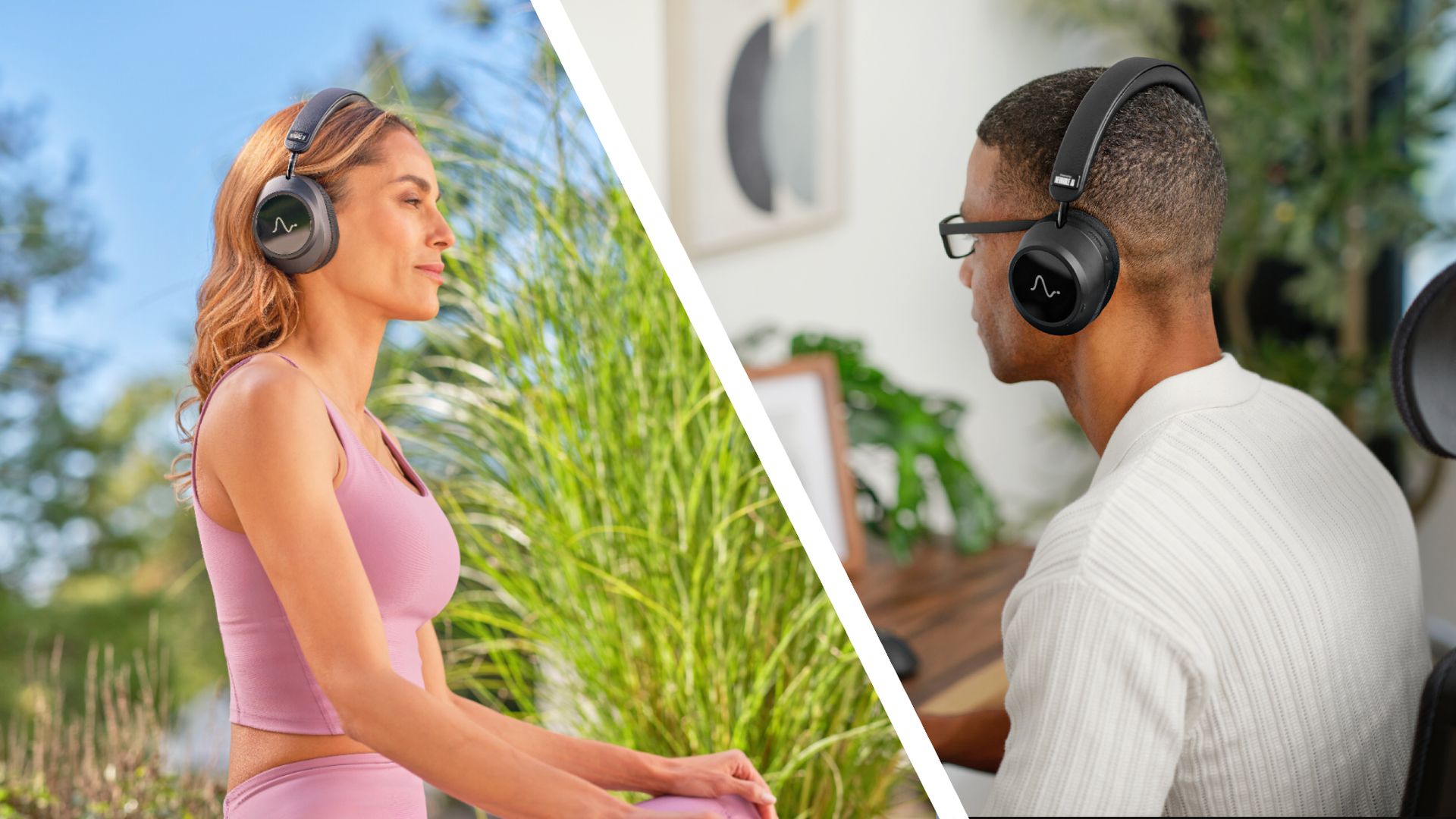
Meet Neurable One, the all-new focus aid headphones with ‘brain data banking’
- Neurable One is the next-gen ‘Brain-Computer Interface’ headphone
- Aiming to make brain insights ‘a continuous, effortless part of everyday life’
- At $499 (around £379; AU$720), again, they’re priced for the mainstream
Neurable and I are like old friends by now. The company’s excellent, brain-scanning, forward-thinking headphones are filed in my own gray matter under “Tells Me Things I Need to Hear, But Sometimes Find Tough to Take”.
Neurable’s cans are, in one sense, like the aunt who mentions at the dinner table that you’re clearly not sleeping enough/eating properly/getting outside regularly because you look pale. Yes, you probably need to be told these home truths, but it’s… a lot.
Why does Neurable put me in mind of a concerned family member? Oh, because in 2024, the company’s MW75 Neuro headphones told me a lot I didn’t know I needed to know about my focus levels, and last year’s Neurable WM75 LT added daily cognitive snapshots, real-time burnout detection, and weekly brain age tracking — all while shaving 44g in weight and $200 in price from the proposition.
And I wasn’t a stranger to Neurable’s desire to read our minds via headphones even before then. I’d been following the partnership between Neurable and Master & Dynamic since July 2023, and TechRadar’s coverage of Neurable extends back almost a decade, when the Michigan specialist was fashioning ‘Brain-Computer Interface’ (BCI) software for the VR space in 2017.
Now, and with a notable aside at CES 2026, where my colleague tried Neurable’s prototype gaming headset with HyperX, designed to make you better at Valorant, the company is back with a 2026 update, simply called Neurable One.
Further, unlike previous offerings from the pioneering wearable specialist, these weren’t built around Master & Dynamic headphones at their core, but built from the ground up…
Understanding your ‘brain battery’
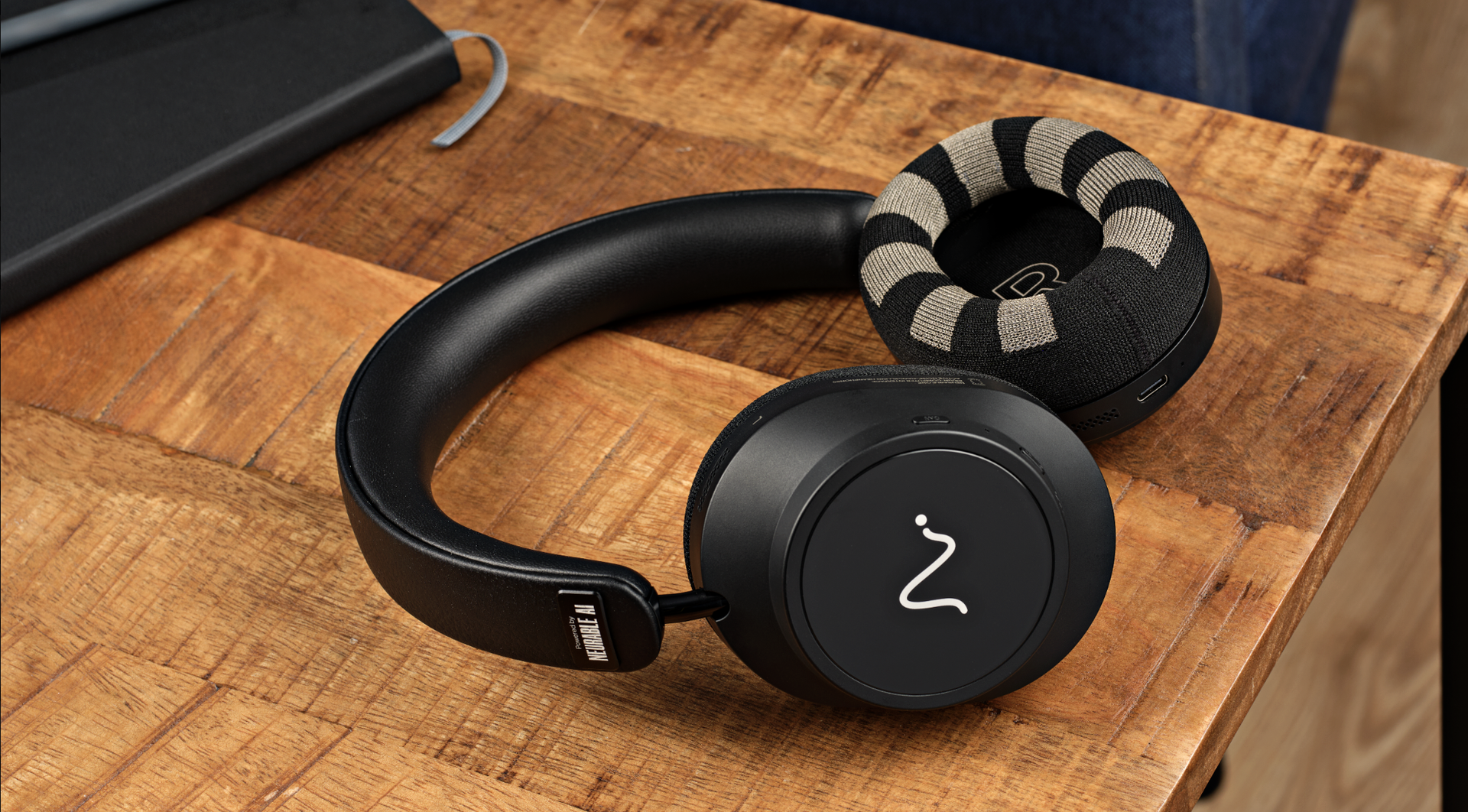
Of course, plenty of headphones and earbuds do more than just pipe music into your ears now: Apple’s top-tier AirPods offer hearing tests and heart-rate monitoring, for example — and smartwatches routinely track our steps, sleep and other physical health markers. But very few consumer wearables can really get to grips with our most vital organ: our brain. I’ve tried Neurable headphones, and these cans can.
So, what makes Neurable One different? This next-generation brain wearable is built into new-look premium headphones. They’re still at the $499 price point, though, so the Bowers & Wilkins Px8 S2 are actually a lot dearer, at their MSRPs of $799 / £629 / AU$1,299 — and the Bose QuietComfort Ultra Headphones (2nd Gen) are direct rivals, at $449 / £449 / AU$699.
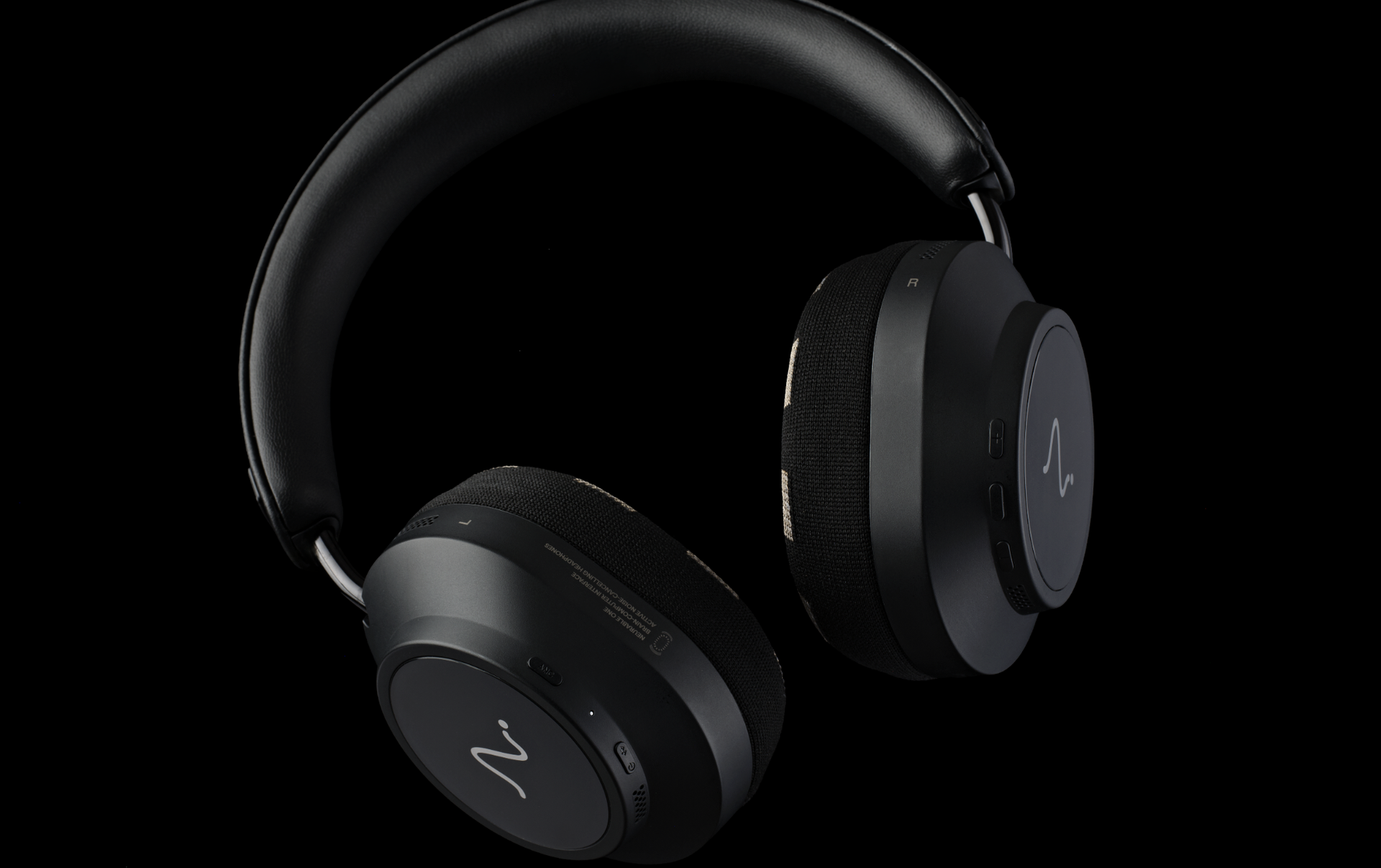
This time, Neurable tells me they’re “designed to make real-time brain insights a continuous, effortless part of everyday life”. OK, but how? Well, as with previous models, Neurable One combines audio and active noise cancellation (you know, regular headphone stuff) with continuous brain tracking to help the wearer “understand when they’re at their cognitive best, when to protect their focus, and what may be quietly wearing them down”. And the fact that it’s all happening within a familiar-feeling, everyday set of over-ears is what makes it fuss-free.
However, Neurable’s 2015 co-founder and CEO, Dr. Ramses Alcaide (an electrical engineer and neuroscientist with a Ph.D. and M.S. in Neuroscience from the University of Michigan), tells me that this particular iteration gives users a “more complete picture” of how their brains respond throughout daily routines, with hardware and software now designed together, in-house, to create a more seamless experience.
Crucially, the insights now come to life through a newly built iOS and Android app, which, according to Neurable’s press release, “translates brain activity into real-time insights across cognitive states, including focus, cognitive load, cognitive speed, and brain battery”. And new for the Neuro One is a “Brain Battery” reading (like checking your phone’s remaining juice, but for your mind) and “Alpha Peak Frequency”, aka your strongest resting rhythm or “the HRV for the brain”.
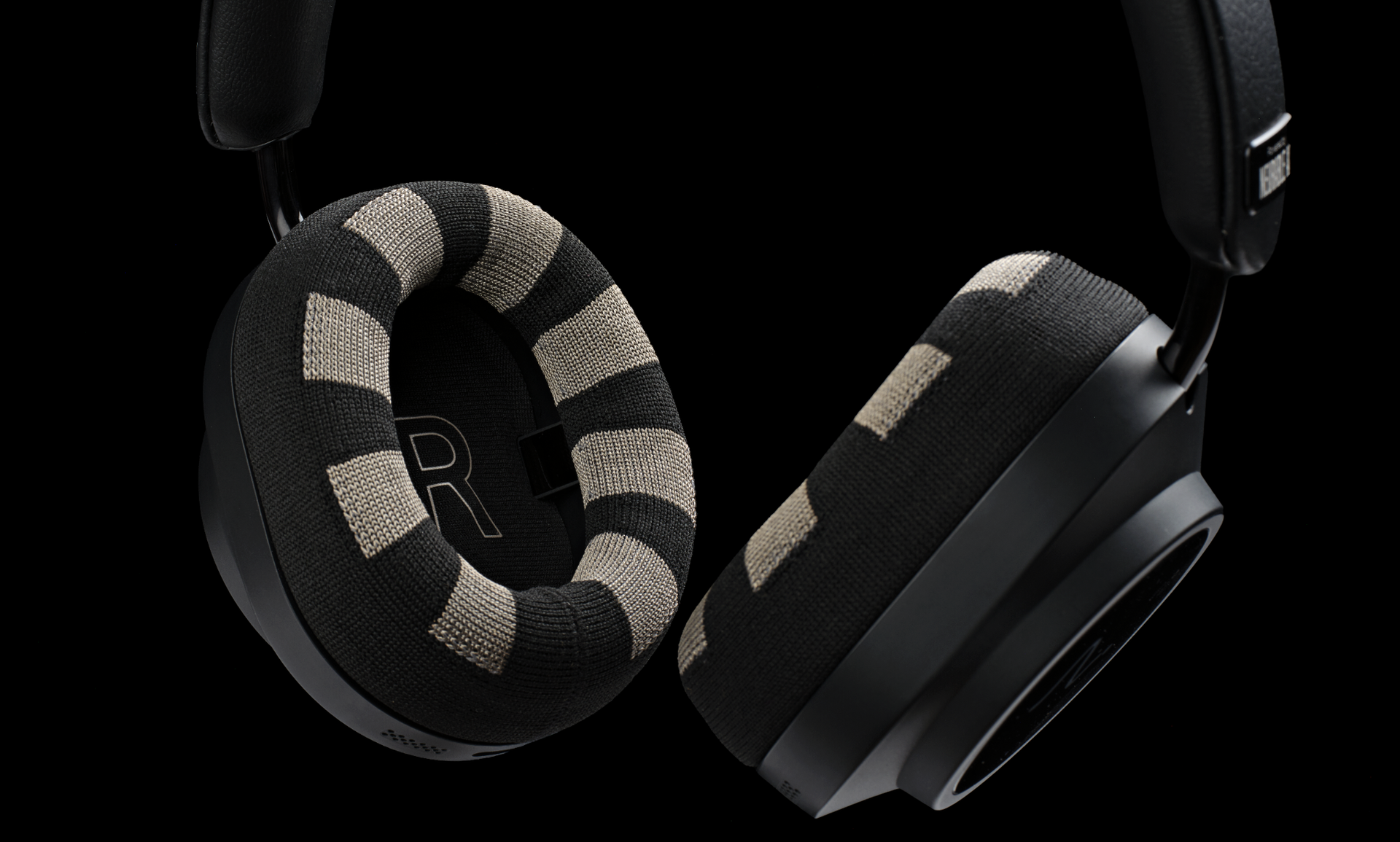
The lighter design should also make Neurable One extra comfortable too, even with those familiar 12 EEG sensors still integrated into the ear pads to enable continuous brain tracking as their wearer listens, works, or rests.
“We got a lot of feedback — I remember from yourself included — that sometimes you forget to turn on a session, right?” Dr. Alcaide said to me at our product briefing, adding, “You want a seamless experience. So now Neurable One enables passive recording. You can use them just as normal headphones, and the software can still track your brain activity just like your Whoop or your Fitbit or any other type of wearable device.”
“The key thing is, this doesn’t read your brain; it reads the electrical activities and shifts that happen in your brain. I think that’s a really key distinction because that’s what separates this from invasive surgical kinds of systems.”
Building a continuous brain history in the background
You can monitor and relay your cerebral health (to your brain, once again) in these three key ways. First off: real-time feedback. “Focus Sessions” (or how I learned that my focus isn’t always A-Grade at work) now come in three flavors, depending on your activity and what you’d like to learn — whether trying to get a task done, chill out, or even take a nap. And data will show when, say, your attention begins to drift.
At the same time, “neuroadaptive audio” can be deployed to respond to changes in cognitive state (it might up the volume a touch if you’re flagging to up the productivity, or lower it if they sense you’ve drifted off) and “Smart Brain Break” notifications will identify signs of mental fatigue and suggest you step away.
The idea is that post-session insights will help identify patterns — when and how you focus, rest, and recover best.
Second: understanding your cognitive battery. This is where the Neurable app really steps in, bringing multiple cognitive signals together to offer a more complete picture of how your brain’s performing and how much reserve you may have left. Neurable’s press release says that Brain Battery “provides a live view based on factors including sleepiness, stress, and cognitive load, while Alpha Peak Frequency (APF) measures the frequency of a user’s strongest resting brain rhythm”. Essentially, these metrics provide more context for your cognitive performance throughout the day.
Finally: noting patterns over time. Neurable One’s weekly and monthly reports should turn one-off readings into longer-term insights. Think consistent check-ins to identify patterns in your cognitive signals, including the times when you typically perform at your best.
Where is data pertaining to our delicate brain matter being stored, though?
Here’s a — potential — rub. It concerns what I recently covered as the great privacy revolt, or people pushing back on products that want to know a little too much about us. Enter Neurable’s “Brain Data Banking”. This is a new feature that records and stores brain activity whenever the headphones are worn with the app open, creating a continuous history of your cognitive performance.
The good part is that rather than relying only on individual sessions or snapshots, users can build a long-term record to understand how their cognitive patterns change over time, even if they forget to load up a session. The less good part is that if you’re anything like me, you just thought, “OK but where is this delicate data of mine being stored — and how is it being used?”
Here, we should not be concerned. Dr. Alcaide has spoken at the AI for Good summit in 2024. “I think that we’re definitely leading the industry on this,” he said.
“One thing is that we came from a laboratory, so we already follow strict standards on data privacy and security from that perspective,” he says. “Two, the data is collected on device, it’s encrypted on device, then sent to your phone, and then from there, already encrypted, it gets sent to our servers.
“Now, what’s really key there is that we separate the ID of the individual and the data into two separate servers. So we never know how to connect those two things together. We process that data, we send it back to you, you own it — you can delete it, you can do whatever you want with it.”
“All of this was designed because my co-founder is actually a neuroethicist and a data policy expert. A lot of the bills that you see on neuro rights, his input is essentially in some of those bills because of the work that he does.”
It’s not hard to see the goal: Neurable’s vision is to make brain sensing a seamless part of the kit you already use every day, bringing cognitive insights into your life without extra equipment or disrupting your existing routine. And I cannot wait to test them — so watch this space.
Neurable One is available in the United States for a retail price of $499 (which is around £379 or AU$720). For more information, please visit neurable.com.