As the music publishers drop their big copyright lawsuit against X, does US copyright law need a rewrite?
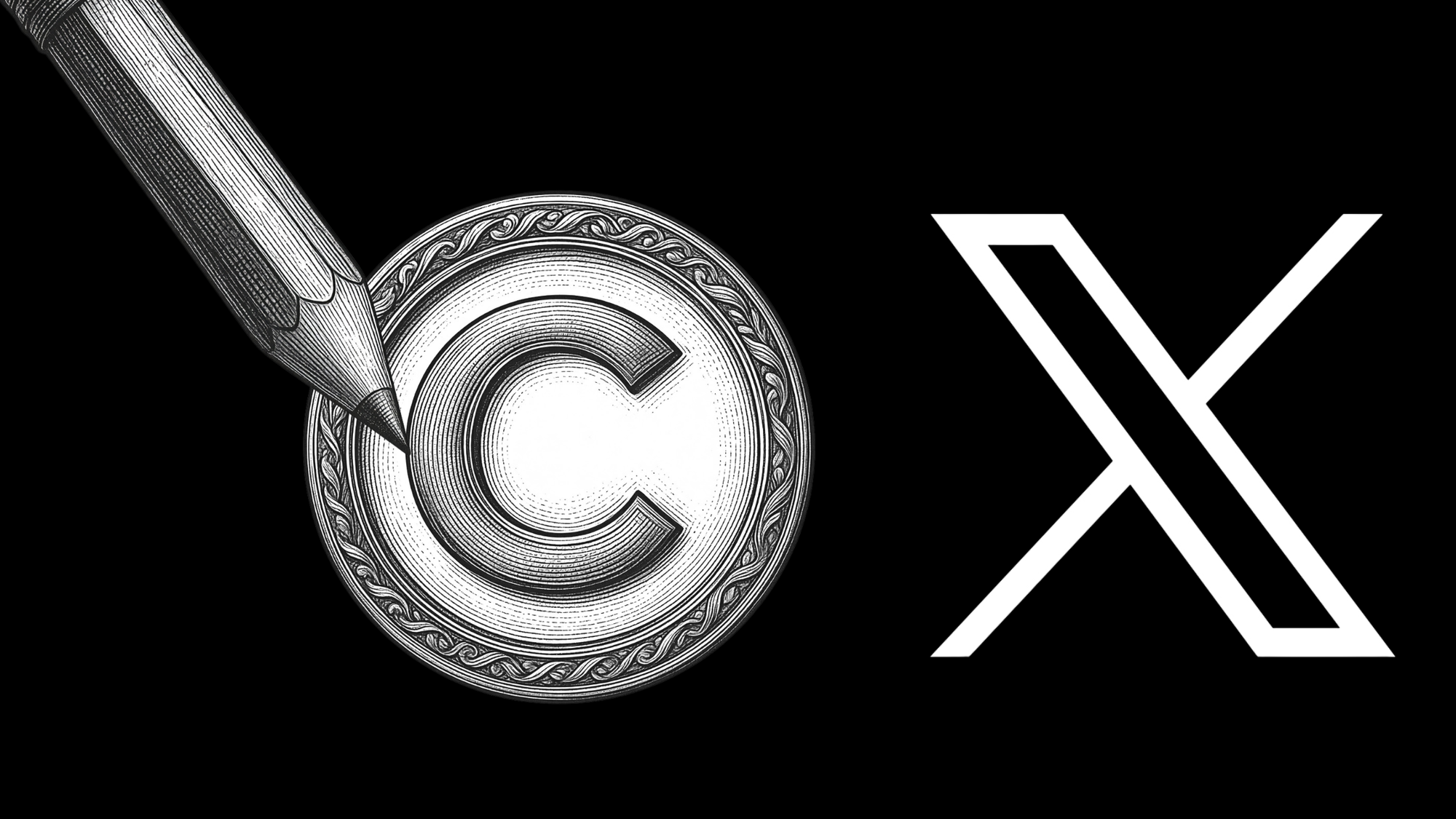
The US music publishers have ended their copyright infringement lawsuit with Elon Musk’s X – or Twitter if you prefer. Terms of the settlement are not known, but the ultimate aim of this lawsuit was really to pressure X into following the lead of its social media rivals by entering into licensing deals with the music industry. As yet, no deals have been announced.
If no deals are forthcoming, and it turns out that the threat of a copyright infringement lawsuit is no longer a good way to get internet companies to the negotiating table, even when their platforms are full of copyright infringing music, the music industry may need Congress to rewrite US copyright law. Which is something US Copyright Office boss Shira Perlmutter recently admitted may now be needed.
On the up side, X has also ended its retaliatory lawsuit against the publishers, in which Musk’s company accused the music companies of colluding through their US trade body, the National Music Publishers Association, to “leverage collective monopoly power and coerce X into acquiring licences from all music publishers at supracompetitive rates”.
NMPA dubbed that lawsuit, which was filed in January this year, as “meritless”, and “a bad faith effort to distract from publishers’ and songwriters’ legitimate right to enforce against X’s illegal use of their songs”. Which it almost certainly was.
Both sides submitted papers with the US courts last week dismissing their respective lawsuits with prejudice, which means neither side will be able to refile litigation on these issues in the future.
When the publishers sued X back in 2023 it felt like some kind of legal battle between the music industry and the social media company had been a long-time coming, even if it’s usually the record labels rather than the publishers that initially file lawsuits of this kind.
A steady stream of videos are posted onto X everyday containing unlicensed music and, even before Musk’s controversial purchase of Twitter, the social media company had long resisted calls from the music industry to sort out its music licences. Despite YouTube, Meta’s Instagram and Facebook, TikTok and Snapchat having all entered into licensing deals with record labels and music publishers.
Initially it seemed like X’s allegedly shoddy systems for removing videos containing unlicensed music at the request of labels and publishers would be at the centre of this dispute.
X clearly hosts tons of unlicensed music on its platform. But could it rely on the pesky copyright safe harbour in the Digital Millennium Copyright Act, or DMCA for short? The safe harbour says that an internet company cannot be held liable for copyright infringement undertaken by its customers providing it has systems in place to deal with both infringing content and infringing users.
Anticipating that X would seek to avoid liability for the copyright infringing music on its platform by citing the safe harbour, the publishers said they had “spent significant time and resources to identify specific infringers and specific infringements” and yet X had “repeatedly failed to take the most basic step of expeditiously removing the infringing material” the publishers had identified.
However, developments in other US courtrooms shifted the focus on this case.
In March 2024, the judge overseeing the publishers v X litigation, Aleta Trauger, said that X was not directly liable for the copyright infringement occurring on its platform, because X itself was not creating or uploading the videos. This despite the fact X stores, curates and monetises content that its users upload.
However, Trauger added, there might be a case for saying X was liable for so called contributory infringement, by facilitating the infringement of its users. If that could be proven in court, then X’s only chance of defending itself would be relying on that safe harbour.
But then earlier this year the definition of contributory infringement under US copyright law was narrowed in the big Supreme Court ruling in the long-running legal battle between the major record companies and internet service provider Cox Communications.
In that case, the top US court said that an internet company could only be liable for contributory infringement if its services were mainly designed to facilitate infringement or if the company actively induced infringement.
Pretty much as soon as the Supreme Court had ruled in the Cox case, X insisted the publishers’ lawsuit should be thrown out of court, because its platform doesn’t primarily exist to facilitate copyright infringement and it doesn’t actively induce copyright infringement. Therefore it couldn’t be liable for contributory infringement.
The publishers responded with various arguments for why they believed X was in fact inducing copyright infringement. That included citing a statement from Musk in which he said the DMCA was a “plague on humanity”. Though Musk actually said that “overzealous” use of the DMCA was a “plague on humanity”.
The arguments that X induced copyright infringement didn’t seem that strong and – given the post-Cox definition of contributory infringement and the fact Trauger had already ruled X wasn’t liable for direct infringement – the publishers’ case against X now seemed quite weak.
And yet X is awash with videos containing unlicensed music. And it feels like copyright law ought to put some responsibility onto X to do something about all that infringing content. In theory the safe harbour provisions in the DMCA do just that. Platforms need to have systems in place to deal with infringing content and infringing users to avoid liability for copyright infringement.
Except, if social media companies can’t be held liable for any kind of copyright infringement anyway, why even bother to fulfil the requirements to qualify for safe harbour protection? One judge on the Supreme Court, Sonia Sotomayor, raised this point when her colleagues ruled on the Cox case, warning that their ruling “consigns the safe harbour provision to obsolescence”.
On the upside for the music industry, most of X’s rivals now offer users in-built music libraries within their apps. And when that happens, the social media platform definitely needs licences from the music industry otherwise it would be liable for direct infringement. So YouTube, TikTok and Meta are unlikely to dump their licences in the wake of Cox and now the publishers dropping their X lawsuit.
However, assuming the publishers didn’t drop their case against X because some big new licensing deal is now in the pipeline – and, to be honest, even if they did – the impact of Cox on the music industry, especially in the context of platforms like X, is problematic.
So much so, labels and publishers almost certainly agree with Perlmutter that Congress may want to find some time to review what US copyright law says about contributory infringement and the liabilities of social media companies and other digital platforms.
Because if those companies and platforms can’t be held liable for their users’ infringement – and if they don’t see the commercial value of having an in-built music library – why would they buy licences from the music industry?