


Apolis: How a Simple Market Bag Can Carry a Bigger Story
Founded in Los Angeles, Apolis has built its identity around a deceptively simple idea: that the products we use every day can create positive change in the communities that craft them.
Its signature Market Bag, handcrafted from natural jute in Bangladesh, has become the most recognisable expression of that philosophy. Behind each bag is a supply chain designed not only around locally sourced materials and craftsmanship, but around people. Apolis works with a community of 250 women artisans in Bangladesh, creating employment and economic opportunities through long-term production.
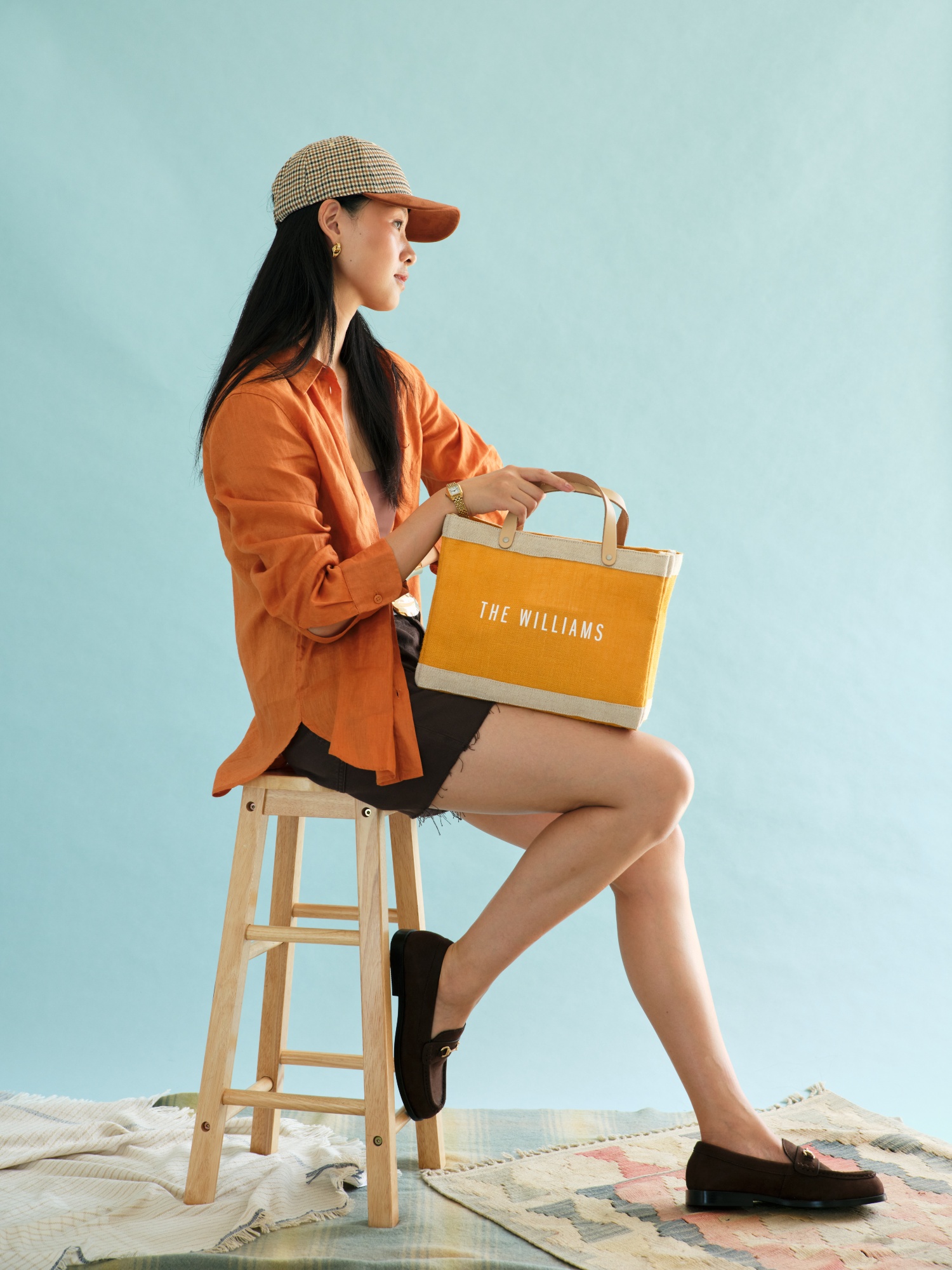
Today, the brand is entering a new chapter. While remaining rooted in its original social mission, Apolis is expanding internationally and increasingly collaborating with the world of luxury hospitality, creating bespoke bags that reflect the identity and sense of place of individual destinations.
LUXUO speaks with Shea and Raan Parton, founders of Apolis, as well as Cecile Naour, former luxury executive who recently partnered with Apolis to support its international development, about the story behind the Market Bag, the women artisans crafting it, and why a humble object can become a new expression of meaningful luxury and a highly desirable daily accessory.
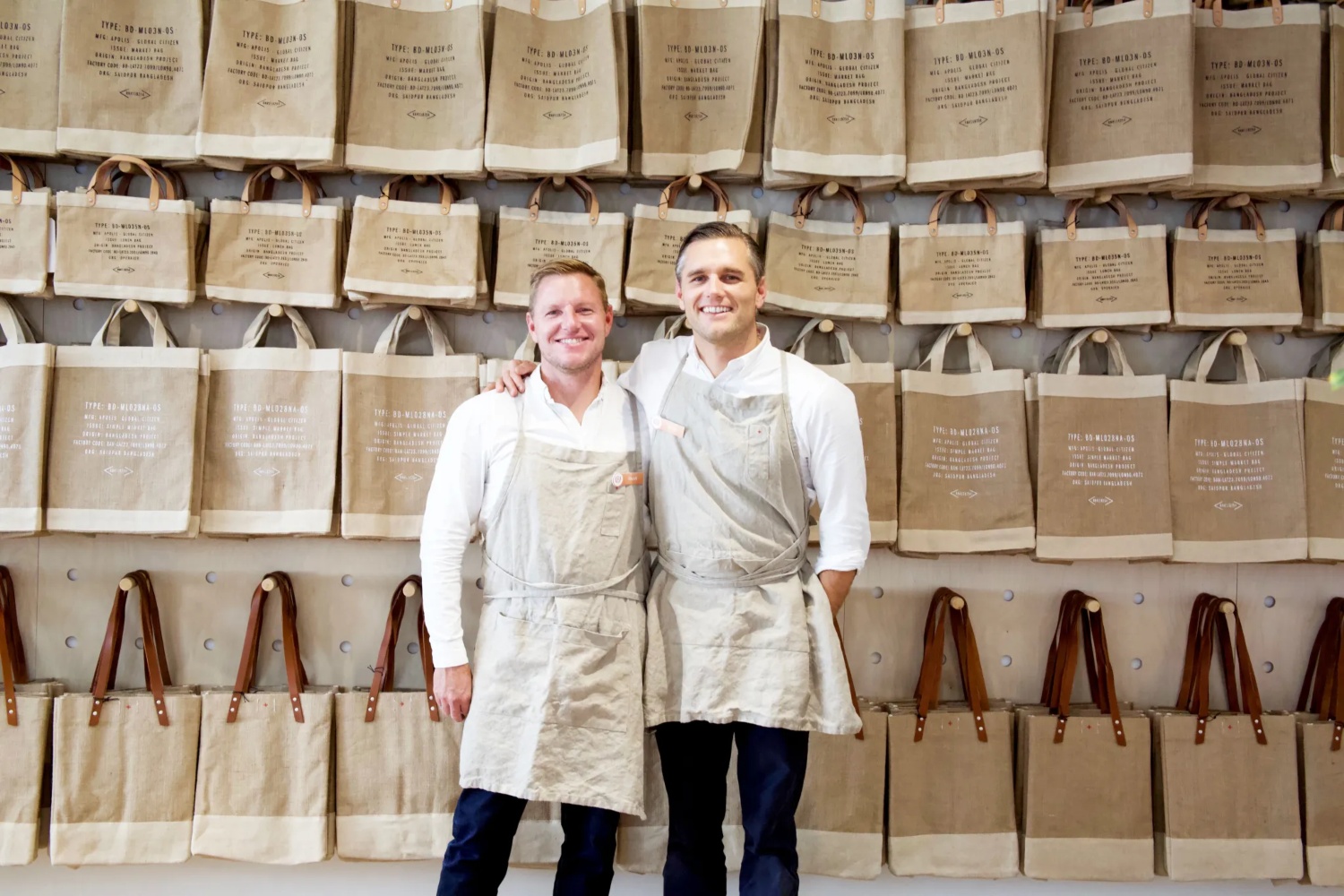
Apolis was founded around the idea of “advocacy through industry”. What does that mean today?
SP: We believe that business can create opportunities. We were raised by incredible parents who took us to some of the world’s poorest countries, and for a long time we believed in the idea of “teaching people how to fish rather than giving them a fish.” But we came to realize that wasn’t the full picture. There are plenty of well-trained fishermen in developing economies. What they often lack is the right bait, or a large enough pond.
So we saw an opportunity instead: to co-design products with communities and cooperatives, and bring them to a wider audience and a stronger market
We anchored that idea to the word Apolis, which translates to “Global Citizen,” because we believe all people are created equal and should have equal access to the global market. That’s really what “advocacy through industry” has always meant to us: moving beyond charity toward economic relationships that last.
We tested that idea across about half a dozen countries – a pair of sandals made between Israel and Palestine, an organic cotton canvas out of Uganda, a cashmere collection out of Kathmandu – all part of figuring out what a real social enterprise could look like. What became clear is that if you can’t hit a genuine demand, with a product that has real utility in people’s everyday lives, it’s very hard to make a lasting difference from a social impact standpoint.
That philosophy has guided Apolis from the start. The Market Bag is probably its clearest expression because it is a very simple, functional object, but behind it sits a much bigger human story.
The Market Bag has become an Apolis signature. How did such a simple product become so important to the brand?
RP: Simplicity is actually part of its strength.
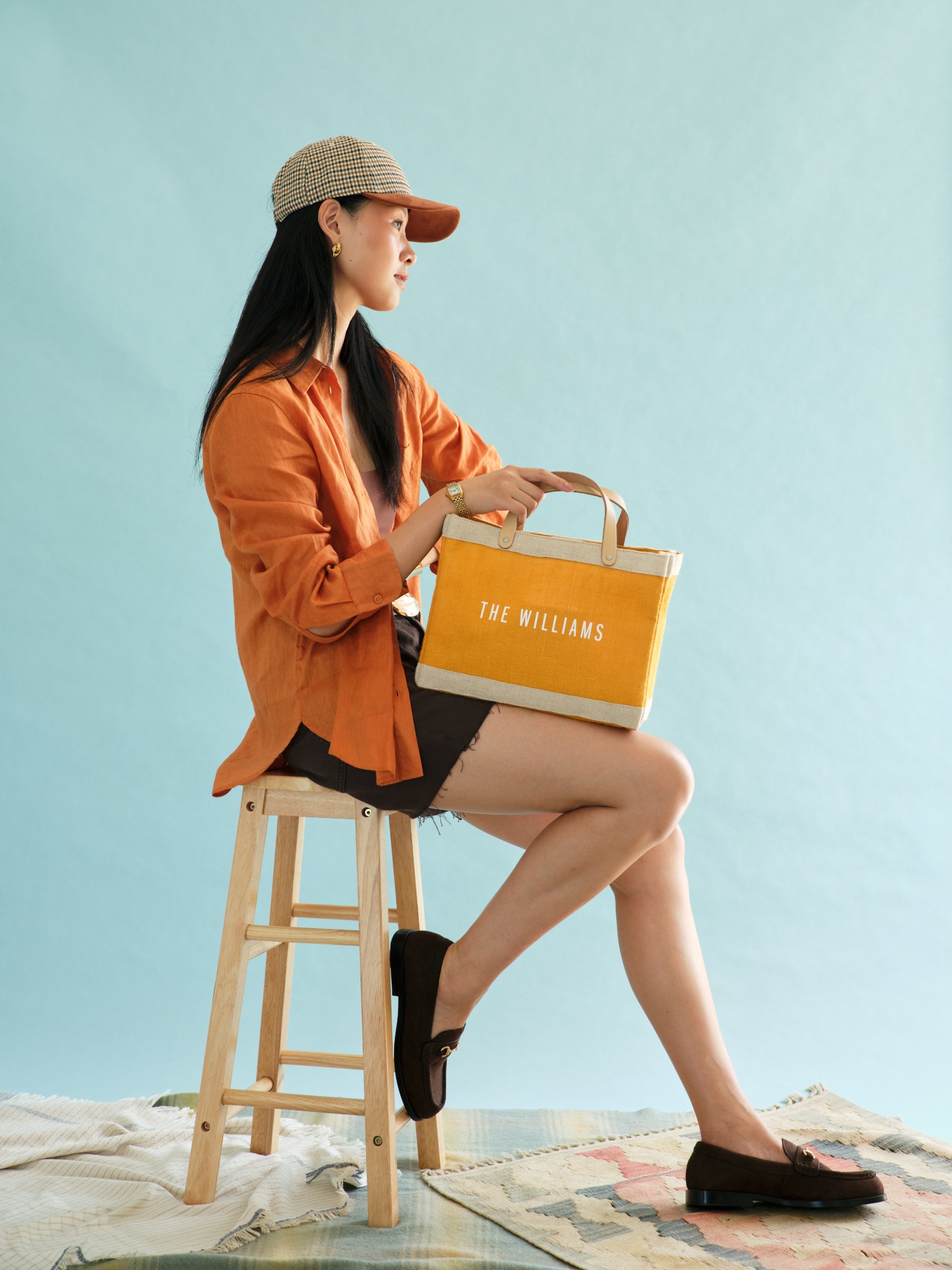
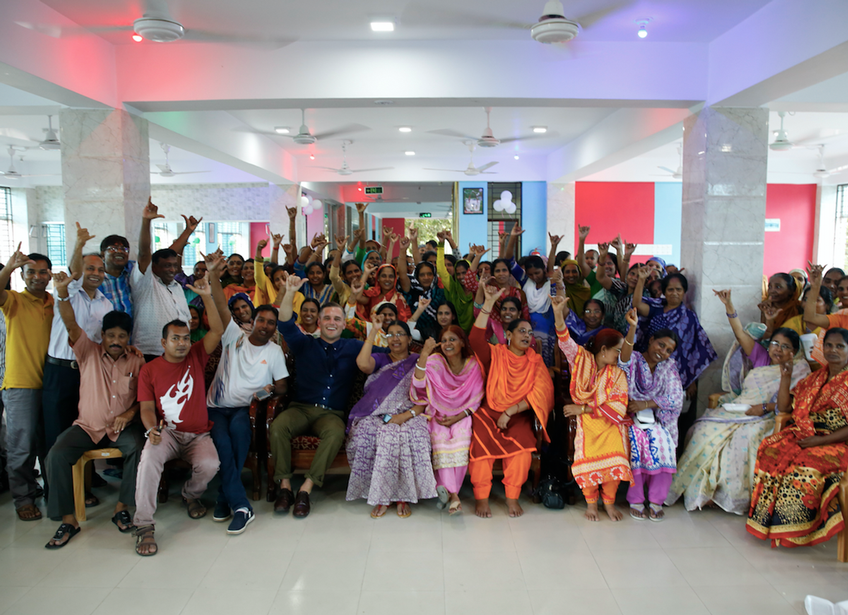
The Apolis Market Bag was inspired by the traditional bags used in markets around the world. We wanted to take something familiar and useful and rethink the way it was made and
the story it could carry. Our bags are made primarily from natural jute, a strong plant fibre that has been grown on farms in Bangladesh for generations. The design is intentionally timeless. What makes each bag different is the way it is personalised for a particular place, hotel, community or individual customer.
After more than 10 years of refining the design while preserving its original Californian personality and style, the Market Bag has become something people recognise immediately as Apolis.
Bangladesh plays a central role in the Apolis story. Can you tell us more about the community crafting the bags?
CN: Our production units in Bangladesh employ a community of approximately 250 women artisans. Social impact is embedded in the way the product is made. Creating stable work for women has an impact that extends beyond the individual artisan – to her family, her children and ultimately her community. Above fair wages, pension scheme and profit sharing are part of the model, alongside a working environment designed to provide dignity.
As Apolis grows, the ambition is simple: more bags should ultimately mean more opportunities, and greater stability for the communities behind them.
It seems that sustainability has become an overused word in fashion and luxury. How does Apolis approach it?
SP: Honestly, I want to reframe how we think about that word. “Sustainability” literally means to keep something sustained, to get by. And that’s not really what we’re after. We’re now three generations of mothers into making this bag. The story started with Tin Roof Studios, and that cooperative has since bought its own land and built state-of-the-art facilities. What we’re really focused on is breaking a poverty cycle, giving people ownership over their craft so they can determine their own future. A retirement fund is instrumental to what that looks like, alongside profit dividends. So we’re not trying to just sustain doing good, we want to think bigger than that. This bag is a good example of what Forbes has called a new factory model for Bangladesh, especially once you understand what happened with the Rana Plaza collapse. We made an award-winning film about the survivors of that crisis, who went on to start the cooperative we’ve now been the largest customer of for over a decade. The film is called Oporajeo, the name of the cooperative, which translates to “invincible”, a nod to the resilience of the artisans behind it.
RP: Brand desirability is also key. If a brand does not constantly evolve to protect its desirability and relevance, the sustainability story alone will not be enough. Many customers do not even know about the positive social impact behind the bag – they simply love the object. Too many recycled or upcycled products are created with good intentions but are not desirable enough to be used, and unfortunately end up in a drawer or with trash. Apolis Market Bags have developed a sense of collectability and an “if-you-know-you know” appeal – we’re grateful that Robert Downey Jr. and his family have been collecting Apolis bags everywhere from St. Barth’s and Rome to the Beverly Hills Hotel, and we’re proud to see this kind of organic, international following grow, thanks in large part to Cecile.
This has been a long process, with more than a decade of work by our team to continually refine the design and refresh the Apolis aesthetic while preserving its identity.
Apolis is increasingly working with luxury hospitality. Why is hospitality such a natural environment for the brand?
SP: Hospitality is fundamentally about creating long-lasting memories. Our partners understand that objects which feel genuinely connected to a destination can make a greater impression than products that are simply expensive or generic.
The Apolis Market Bag remains a signature in its own right, yet each collaboration can tell
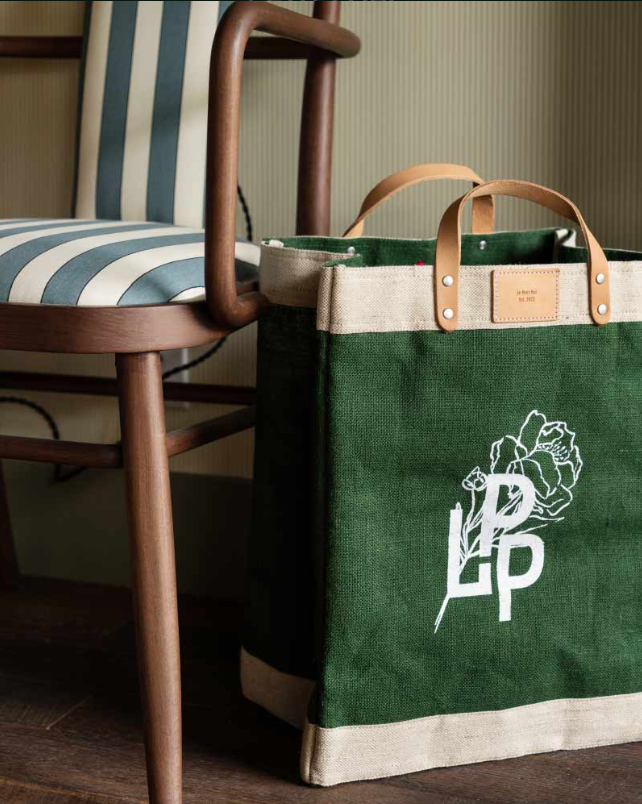
a completely different story through colors, artwork, embroidery, patches and other details inspired by the property and its surroundings.
A bag created for a Mediterranean resort would carry a different memory as one created for the Maldives, Mexico or Hawaii.
The result is both functional and emotional: guests can use the bag during their stay and then take it home as a memory of that experience. We recently met a customer who had bought his bag in St. Barth 10 years ago! It was still beautiful, with a lovely patina. That was incredibly touching.
Does that represent a different idea of luxury?
CN: Craftsmanship, beauty and quality remain essential to every product. Consumers are increasingly interested in understanding the story behind the craft, yet we don’t believe purpose replaces desirability. We create products people want because they love them and will use them, while allowing “crafted-with-purpose” to add value.
How do you create a bespoke bag without losing the identity of Apolis?
SP: That balance is very important.
We don’t want the Market Bag to become simply another piece of branded merchandise.
The objective is to create something people genuinely want to keep and use.
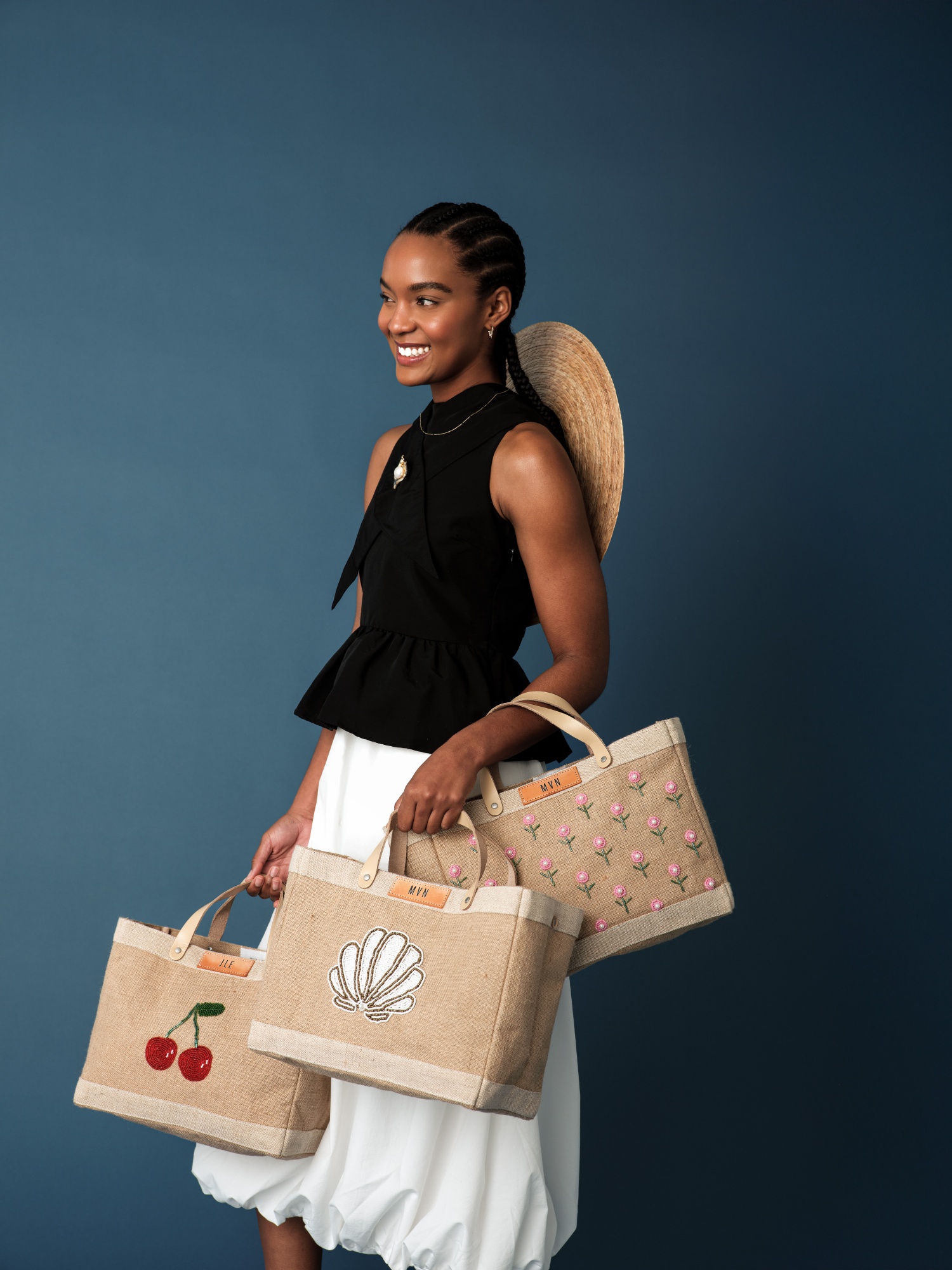
So rather than simply placing a logo on a bag, our graphic design studio increasingly works with partners to identify an element of their identity or destination that can become a piece of artwork. It may be inspired by local flora and fauna, an architectural detail, a local symbol, or a playful expression connected to the experience of the property.
The best collaborations are those where you can recognise both the identity
of the destination and the simplicity of Apolis. Guests are ultimately the best judges of these collaborations – especially when they choose to purchase the bag for themselves.
Apolis is now entering a new stage of international development. What is changing?
SP: The ambition is to bring Apolis to more markets while remaining selective on how we grow. Luxury hospitality has become an important part of that development.
Our international partnership with Cecile is helping Apolis develop these relationships outside North America, particularly across Europe, the Middle East and Asia Pacific, and to explore how the Market Bag can become part of the guest experience at some of the world’s most distinctive destinations.
But growth only makes sense if the original purpose remains intact. Scale should strengthen the impact model, not dilute it. We are also cautious about increasing the share of one-off partnerships. Our artisans need long-term collaborations, which is the only way to provide employment continuity and stability.
Can social impact really coexist with commercial scale?
SP: It has to. A social enterprise cannot create sustainable impact if the underlying business isn’t sustainable itself.
The more demand we create for products made through responsible supply chains, the more employment and economic opportunity those supply chains can potentially generate.
The economic gap between the wealthiest and the most vulnerable continues to grow in the world. Remaining very small is certainly an option, but any major crisis can put an entire community at risk. We see gradual growth as a way to create more opportunities in Bangladesh, strengthen our core foundations and continue serving our clients in the best possible way.
Commercial development and social impact are not opposing ideas. When the model works properly, they reinforce each other.
The challenge is maintaining that discipline as the company grows: opening Apolis to opportunities around the world while doing so with a strong sense of responsibility.
What would you like someone to think when they pick up an Apolis bag?
RP: We hope they simply love it and use it! Usually, customers will also say, “I bought it in Hawaii, or in Mexico, or in Sicily…” The bag becomes a memory or token of a place they have travelled to. They might notice the jute, the artwork or the small details that went into its design. And perhaps they think about the person who made it – the artisan whose signature is inside the bag, and who spent time crafting it with patience, thousands of kilometers away.
Find us on www.apolisglobal.com and in the best hospitality properties in the world!
For more on the latest in lifestyle and culture, click here.
The post Apolis: How a Simple Market Bag Can Carry a Bigger Story appeared first on LUXUO.