


You’re sued and you know you are: New law puts onus on clubs to prevent player abuse
Professional sports teams, governing bodies and operators of stadiums and events could all face legal action if players receive abuse due to changes in the law this month, writes Charlotte Smith.
Sports organisations have historically treated abusive behaviour directed at players, coaches and officials largely as a welfare, reputational and regulatory issue. However, from 1 October 2026, new third-party harassment provisions will create a significant employment law dimension.
Under the Employment Rights Act 2025, employers may be liable for harassment committed by third parties, including supporters, spectators and online audiences, unless they can demonstrate they have taken “all reasonable steps” to prevent it. The reforms will affect organisations across the sports sector, from professional clubs and governing bodies to event operators and sporting venues.
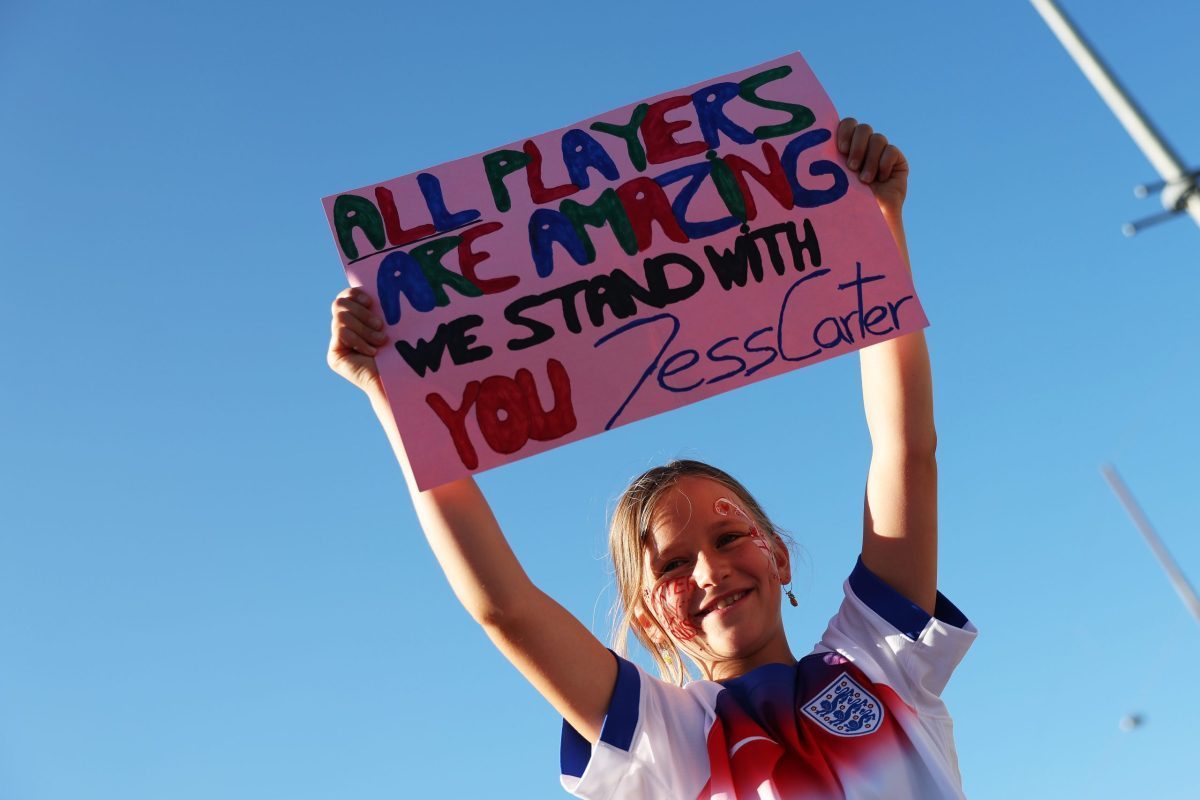
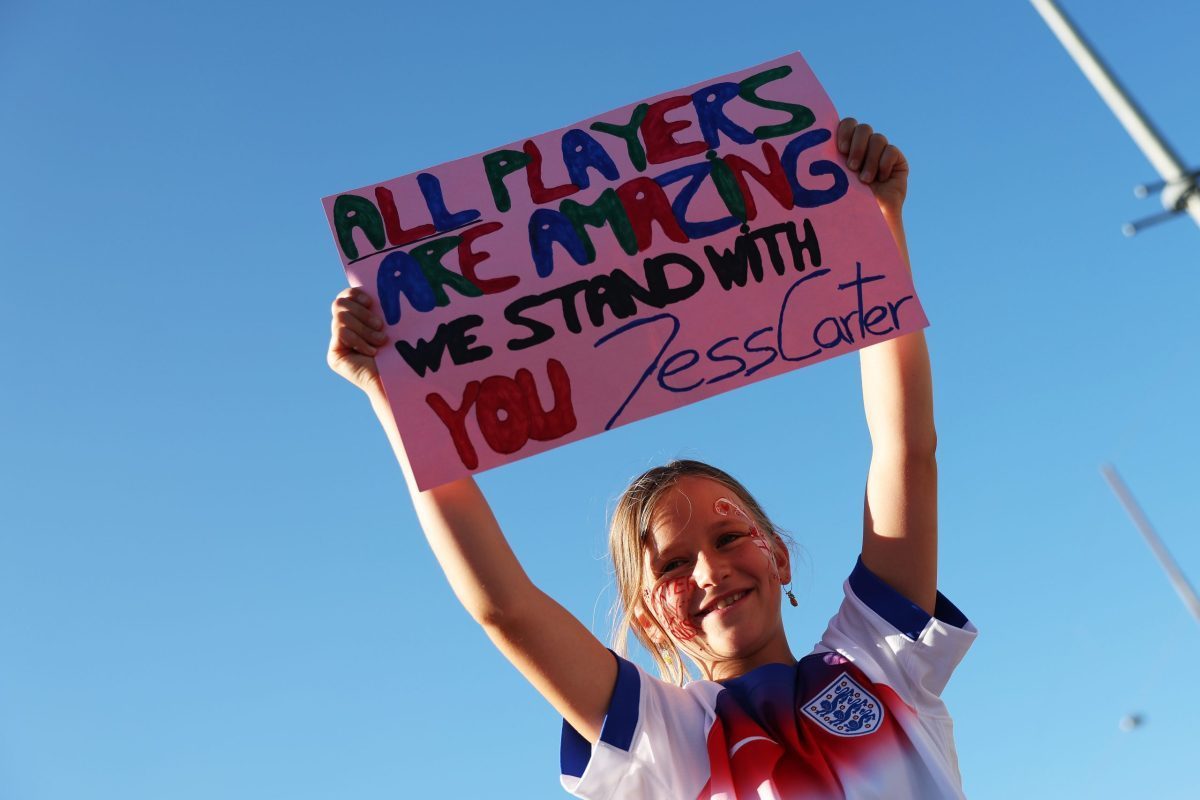
Sports organisations do not need to look far for examples of the harassment challenges their employees face. England footballers Bukayo Saka, Marcus Rashford and Jadon Sancho were subjected to racist abuse following Euro 2020, while Lionesses defender Jess Carter has spoken publicly about the abuse she received during Women’s Euro 2025.
In rugby union, the RFU increased sanctions for abuse of match officials after a survey found almost half (49 per cent) of referees had experienced abuse, highlighting the scale of the issue and concerns about retaining officials within the game.
Cricket faces similar challenges. The Cricket Regulator reported receiving more than 200 reports of abusive messages in a single year, with female cricketers particularly targeted and many messages linked to individuals who had lost money betting on the women’s game.
These examples also demonstrate why the reforms have such broad implications. The new provisions are not limited to elite athletes but apply across the wider workforce that supports professional sport.
From October, organisations could therefore find themselves facing scrutiny not only where a player is subjected to abuse, but also where a steward, hospitality worker, or any other employee experiences discriminatory or harassing conduct from supporters or visitors.
What steps should sports organisations take to protect players?
What constitutes “all reasonable steps” to prevent harassment will vary depending on the organisation and the risks it faces. However, sports organisations should be considering the issue at board level, with the aim of fostering a top-down culture that promotes anti-discrimination and champions diversity and inclusion.
Risk assessments should be undertaken to identify where harassment may arise, whether on matchdays, in hospitality settings or through online channels, and used to inform appropriate preventative measures.
That may include reviewing ticketing terms and codes of conduct, strengthening reporting procedures, ensuring stewards and security staff are trained to respond appropriately to incidents, and considering how abusive or discriminatory content directed at players, coaches and employees is monitored and addressed.
Clubs should also remember that workplace risks are not confined to the stadium. Media appearances, community engagement activities and other public-facing duties can all form part of the risk environment they are expected to manage.
Ultimately, organisations will need to be able to demonstrate not only how they respond to incidents, but also the proactive measures they have put in place to prevent harassment from occurring.