


Will Easier Conversions Delay Office Housing or Just Prove the Model Works?
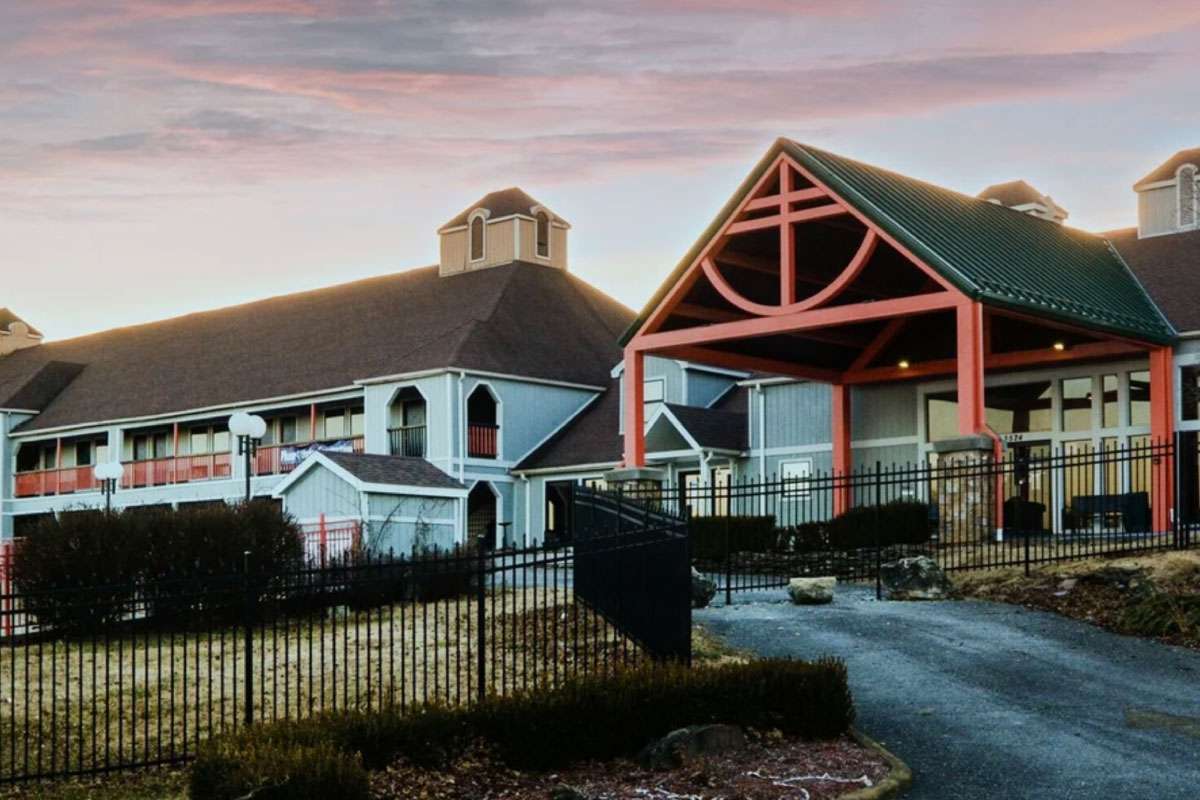
The adaptive reuse housing boom is real and accelerating across multiple property types. Schools are being converted at record rates, with nearly 2,000 apartments built in former schools in 2024 alone, quadruple the number from the year before. Hotels and extended-stay properties are being repurposed faster, with 37 percent of all adaptive reuse projects in 2024 coming from hospitality conversions and 9,100 new apartments delivered through hotel conversions, a 46 percent increase from the previous year. Shopping malls are following suit, with at least 192 malls announcing housing plans. The question is whether this diversification of conversions will create competitive pressure that diverts capital from office-to-residential projects, or whether it’s actually proving out the conversion model in ways that eventually benefit all adaptive reuse categories.
The case for capital crowding-out is economically intuitive. Hotel-to-apartment conversions cost approximately 50 percent of new construction and can be completed in 6 to 18 months instead of years. Schools have existing bones, high ceilings, large windows, and are often located near transit. Malls sit on well-located parcels with established parking and utilities already in place. Office conversions sit at the opposite end of that spectrum. An office building requires substantially more renovation than a school or extended-stay hotel. Floor plates need fundamental reconfiguration from open, column-free space into residential units with separate bedrooms, kitchens, and bathrooms. HVAC systems designed for office environments require complete replacement. Office buildings often lack the natural light distribution and window count that residential units require. The engineering work is more complex.
If capital is truly finite and developers have limited capacity, the rational decision is deployment toward lower-cost, lower-risk categories. Capital that could close a hotel conversion in 12 months at 50 percent of new construction cost faces real optionality risk in an office conversion. Experienced teams, established financing relationships, and proven execution models all drive down costs and timelines for the easier conversions. Those same advantages don’t transfer to office. Office conversions require different architectural expertise, different engineering disciplines, and different financing underwriting. As developers build operational expertise around schools and hotels, that institutional learning creates efficiency gains specific to those categories. The skill set developed doesn’t necessarily translate. The outcome could plausibly be a market where easier conversions command capital and attention while office buildings move lower in the priority queue.
But there’s a countervailing argument worth taking seriously. The school and hotel conversion markets aren’t cannibalizing office conversion capital so much as proving that the conversion model itself works. Every successful school conversion, every hotel that delivers on time and on budget, every mall project that achieves the promised rents creates precedent and de-risks the entire category. Lenders who financed a 100-unit hotel conversion successfully become more comfortable financing any conversion. Developers who executed a school conversion profitably become more willing to tackle harder projects. The institutional learning that emerges from schools, hotels, and malls could actually lower the cost and timeline of office conversions by building broader confidence in the conversion model itself. The easier conversions might be serving as proof-of-concept for the harder ones.
Additionally, the economic drivers pushing hotel and school conversions are somewhat self-limiting. Hotel conversions are accelerating because the hospitality industry is in distress. Extended-stay properties facing debt walls have immediate incentive to convert. But eventually, the convertible hotels get converted. The supply is large but not infinite. Same with schools. Declining enrollment is creating empty schools, but the pipeline of vacant school buildings is finite. The conversion market won’t be focused on schools forever. Capital and development teams that built expertise on schools could then apply that expertise to offices once supply dries up.
The hotel industry’s troubles also complicate the crowding-out thesis. Yes, hotel owners face immediate refinancing pressure that forces conversion decisions. But an office building owner faces the same pressure if the building is vacant and generating no cash flow. A hotel owner with a 2026 maturity wall needs a conversion decision now. An office owner might have more time because commercial real estate loans have longer terms. But if vacancy rates keep rising and office fundamentals don’t recover, office owners will eventually face the same maturity wall moment.
What’s actually happening might be more straightforward than crowding-out suggests. The conversion market is simply working through the categories that have the most immediate need first. When offices become the priority, the infrastructure for conversions will be more mature. Lenders will have converted portfolios that de-risk the category. Architects will have solved the technical problems specific to office conversions. Developers will have teams with experience. The cost and timeline could be better by the time office conversions become necessary than they would be if the market tried to do office, schools, hotels, and malls simultaneously.
Office conversions will probably face higher competition for capital than they would if schools, hotels, and malls weren’t available alternatives. Some marginal office conversion projects that might have gotten funded won’t get funding because the capital deployed toward them will go to easier buildings instead. The office conversion market won’t collapse or starve. It will simply grow more slowly than it otherwise would, and when it does grow, it will likely be in the highest-quality buildings in the strongest markets where the conversion economics are most favorable. Office conversions will continue to be a thriving category but some of the least favorable conversions will be hard to justify as long as there are easier property types to turn into housing.
The post Will Easier Conversions Delay Office Housing or Just Prove the Model Works? appeared first on Propmodo.