Why the Booker Prize matters: How literary awards affect the world far beyond author recognition
I’m writing this from the annual Charleston Literary Festival in South Carolina. This time last year, I interviewed David Szalay here just after he had won the Booker Prize for Flesh. The novel follows a Hungarian boy’s journey from the world of poverty to that of London’s superrich. When I spoke to Szalay after his win on Monocle Radio’s Meet the Writers, we discussed his spare prose, his life living between countries and the effect that the prize was having on that life.
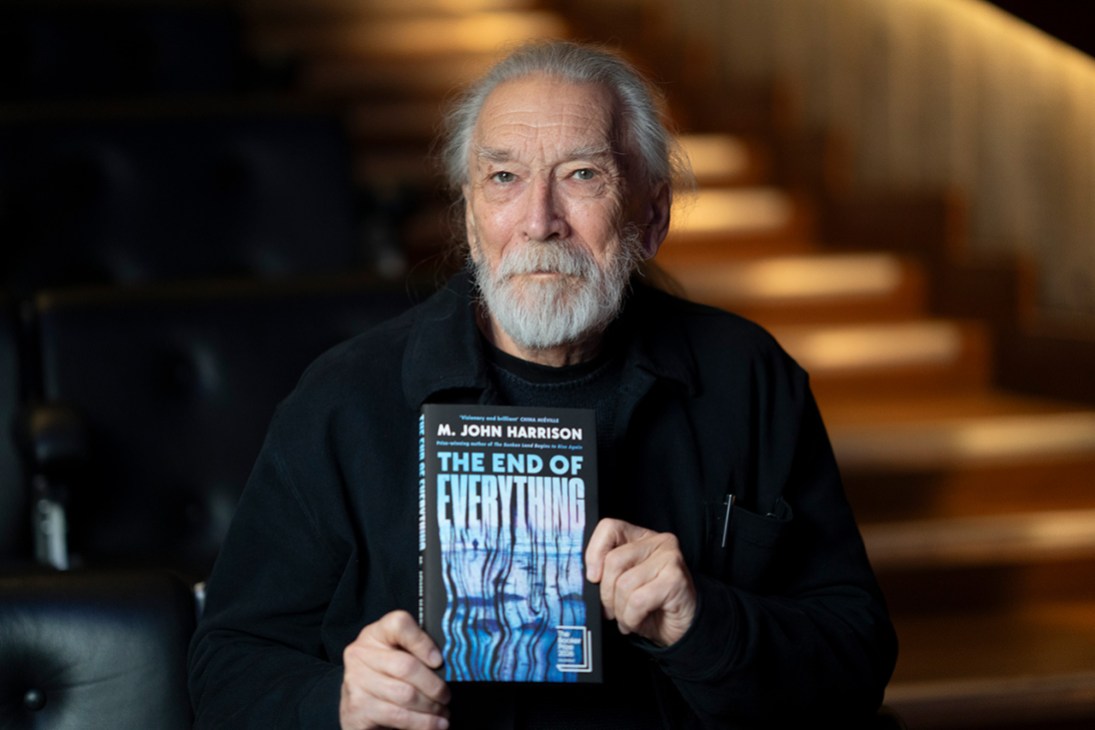
This year, M John Harrison’s science-fiction novel, The End of Everything, was named the winner of the coveted prize. At 81 years old, Harrison is the oldest author ever to win the Booker. Though he has been writing for 60 years and has published 13 novels – mostly science fiction or speculative fiction – he is hardly a household name. The End of Everything is a dystopian satire set on the south coast of England after a mysterious catastrophe. Harrison has described how current affairs prompted him to consider what happens when our explanations of the world no longer make sense but we still have to get on with living.

The book was published by Serpent’s Tail, an imprint of independent publisher Profile Books. While five titles from the publisher have been previously nominated, Harrison’s novel is its first win. Smaller firms don’t have the same marketing budgets as the big houses and the spotlight of the Booker Prize brings considerable commercial value with it. Last year, UK hardback sales of Flesh rose by 1,441 per cent in the week following Szalay’s victory and the rights to translate the book more than doubled to 42 territories.
As Szalay handed Harrison the trophy during Monday night’s ceremony, he described the Booker Prize as “an engine of attention”. In a world where interest is so often won through simplification, the prize directs it towards the complexity of novels. Mary Beard, who chaired this year’s judging panel, said she doesn’t think of herself as being in love with reading any more than she is in love with eating or sleeping. For her, reading is just as necessary. She warned against treating books as another form of wellbeing; they are fundamental to the way that we think.
We don’t always agree with the judges’ choices; plenty of excellent novels are never even nominated. But what matters is that for a few days, the topic of reading joins the general conversation and makes people curious about titles that they might otherwise have missed. Here in Charleston, I’m chairing a discussion with Ben Markovits, whose novel, The Rest of Our Lives, was shortlisted last year, and Joseph O’Neill, twice longlisted for Netherland (2008) and The Dog (2014). It is a reminder that the attention generated by the Booker Prize can follow a writer for years, reaching readers and audiences far beyond the award ceremony.
The post Why the Booker Prize matters: How literary awards affect the world far beyond author recognition appeared first on Monocle.