What It Takes to Build a Luxury Brand That Lasts
Luxury businesses operate under a different set of expectations than most companies. Customers are not simply paying for a product or service. They are paying for craftsmanship, reputation, exclusivity, experience and the confidence that comes with choosing a respected brand.
That makes building a luxury business especially challenging. Attracting attention may create an initial wave of demand, but lasting success requires more than a strong launch or a fashionable product. Luxury brands must protect their identity while adapting to changing customer expectations and competitive pressures.
The businesses that endure tend to have a clear purpose, disciplined financial management and a willingness to think in decades rather than quarters.
Start With a Distinct Brand Identity
A lasting luxury business needs to stand for something recognizable. If customers cannot explain what separates a company from dozens of competitors, premium pricing becomes difficult to maintain.
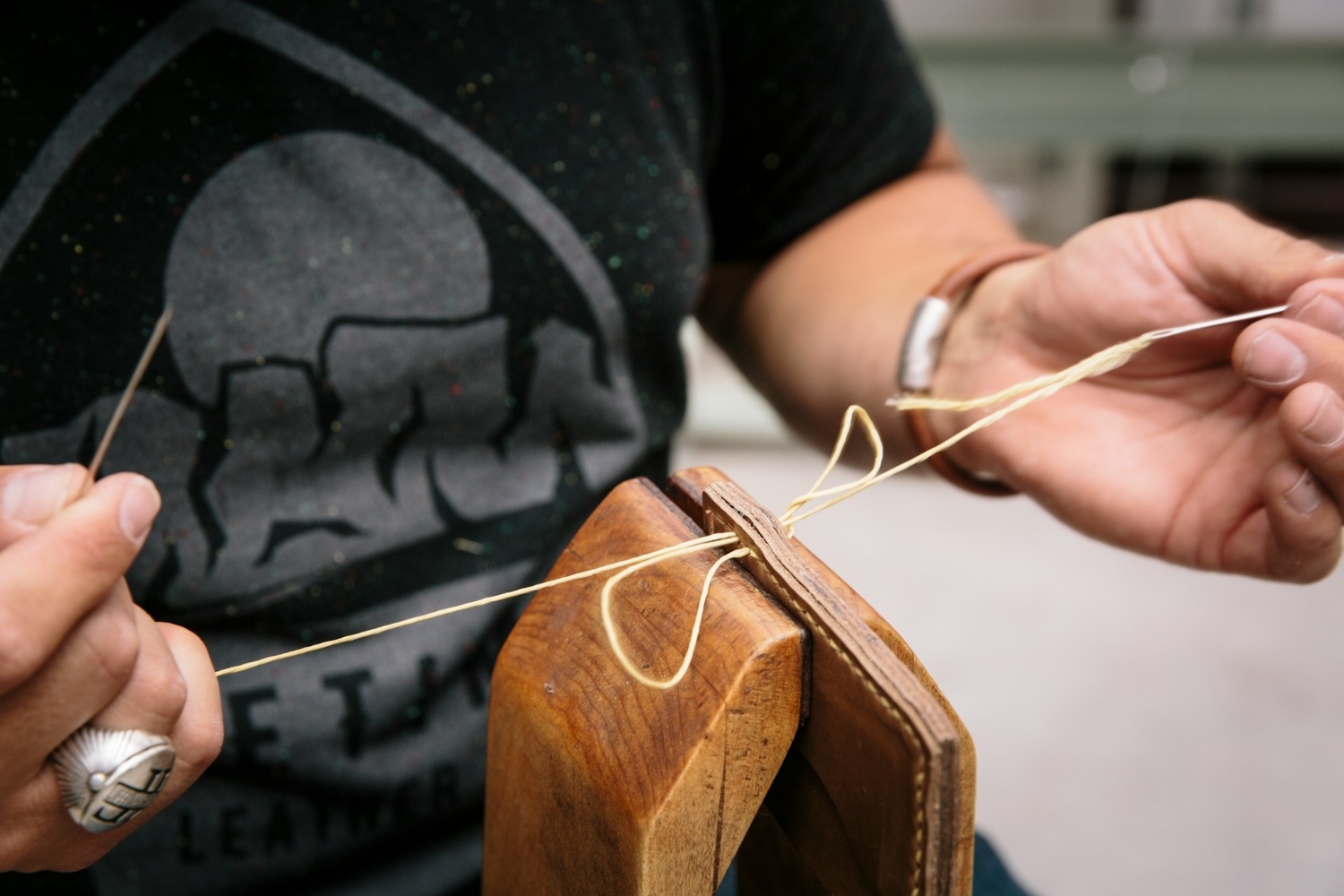
Brand identity extends beyond a logo, color palette or elegant website. It includes the way products are designed, how customers are treated, what materials are chosen and even which opportunities the business decides to reject.
Consistency matters because luxury depends heavily on perception. Customers should encounter the same standards whether they are visiting a physical store, browsing online or speaking with customer service.
At the same time, consistency should not mean refusing to evolve. A brand can modernize its packaging, technology or customer experience without abandoning the principles that originally made it distinctive. The goal is to preserve the core while allowing the surrounding business to develop.
Build Around Quality Rather Than Short-Term Volume
Luxury companies often weaken their position when they begin chasing growth too aggressively. Expanding production can increase revenue, but it can also damage the qualities that made the brand desirable in the first place.
Scarcity, careful production and attention to detail all contribute to perceived value. If availability increases dramatically while quality declines, customers may begin viewing the brand differently.
This is why sustainable growth requires discipline. A company may need to turn down certain distribution opportunities or delay expansion until its production systems can maintain the expected standard.
Quality also creates another advantage: trust. Customers who consistently receive well-made products or exceptional service have a reason to return. Over time, that relationship can become more valuable than temporary attention generated by advertising.
Protect Cash Flow as the Business Expands
Luxury businesses still face ordinary financial realities. Inventory must be purchased, employees must be paid and new locations or product lines may require considerable upfront investment.
The difference is that maintaining premium standards can make those expenses particularly high. Better materials, skilled labor, specialized packaging and high-quality retail environments all require capital.
As the business grows, owners should understand both profitability and cash flow. A profitable company can still encounter financial pressure if money is tied up in inventory or if expenses come due before customers generate enough revenue.
Some businesses maintain access to a business line of credit as part of their broader financial planning, particularly when they need flexibility to manage temporary cash flow gaps, inventory purchases or carefully planned expansion costs. Financing should support a clear business objective rather than compensate for weak financial controls.
Make the Customer Experience Part of the Product
For a luxury business, the transaction itself is only one piece of the customer relationship. The experience surrounding that transaction can be just as important as the item being purchased.
Consider everything the customer encounters. Product presentation, communication, delivery, packaging, staff knowledge and after-sales support all shape how the brand is remembered.
Small inconsistencies can have an outsized effect. A customer paying a premium price is unlikely to separate a beautiful product from poor service or confusing communication. Instead, the entire experience becomes part of the judgment they make about the company.
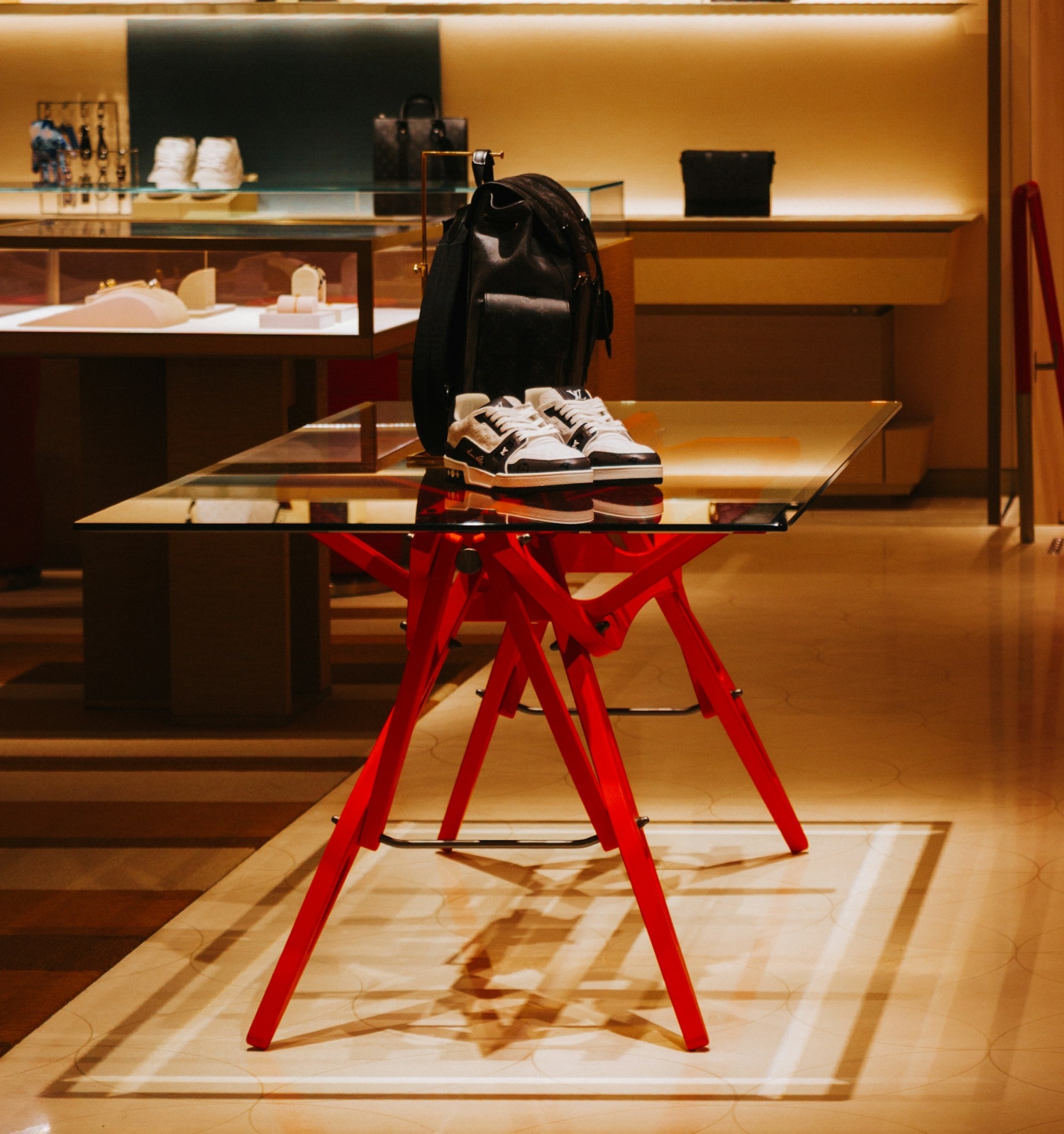
Strong luxury brands therefore treat service standards as seriously as product standards. Employees should understand not only what they are selling but also what the brand represents.
Personalization can strengthen this experience when it is handled thoughtfully. Remembering a returning customer’s preferences or providing relevant recommendations can create a sense of recognition without becoming intrusive.
Resist the Pressure to Follow Every Trend
Luxury brands need to understand cultural changes, but following every trend can make a business feel inconsistent.
Trends move quickly. Brand identity should move much more slowly.
A company that constantly changes its visual style, product strategy or message to match whatever is currently popular may generate short bursts of attention. Over time, however, customers can lose sight of what the business represents.
The stronger approach is to filter trends through the brand’s existing identity. Some developments will create meaningful opportunities. Others can simply be ignored.
Technology is a good example. Luxury companies can introduce digital tools, online consultations or more convenient purchasing systems without sacrificing personal service. The question is not whether a trend is popular. It is whether adopting it improves the experience while remaining consistent with the brand.
Develop Customer Loyalty Without Depending on Discounts
Frequent discounting can be particularly damaging in the luxury market. If customers learn that a premium product will regularly become cheaper, they have little reason to purchase it at full price.
Luxury businesses are usually better served by building loyalty around access, service and relationships.
Returning customers might receive early access to collections, private appointments, invitations to events or personalized recommendations. These benefits strengthen the relationship without changing the perceived value of the product itself.
The principle is simple. Customers should feel rewarded for their loyalty without being trained to wait for lower prices.
Strong relationships can also create organic advocacy. Customers who identify with a brand often recommend it to others, not because they were offered an incentive but because the brand has become part of how they express their tastes and values.

Protect Reputation as Carefully as Revenue
Reputation can take years to establish and very little time to damage.
Luxury companies rely heavily on trust because customers often pay a premium before they can fully evaluate what they are buying. They expect the company’s reputation to act as a guarantee of quality.
That makes operational decisions especially important. Poor customer service, declining materials or inconsistent production can gradually weaken brand equity even if short-term sales remain strong.
Businesses should therefore evaluate major decisions through two lenses. The first is financial: Will this decision generate revenue or improve efficiency? The second is reputational: Will it strengthen or weaken what customers believe about the brand?
Not every profitable opportunity is worth pursuing.

Think in Years, Not Campaigns
Building a luxury business that lasts requires patience. Marketing campaigns can generate awareness and product launches can produce spikes in sales, but neither creates lasting value on its own.
Longevity comes from repeatedly making decisions that reinforce the same fundamental promise.
That means maintaining product standards during periods of rapid demand, investing in employees, protecting financial stability and resisting opportunities that could weaken the brand’s positioning. It also means adapting carefully when customer expectations change.
The strongest luxury businesses eventually become more than sellers of premium products. They develop a reputation that customers recognize before they encounter a particular collection, location or advertisement.
That type of reputation cannot be manufactured quickly. It is built through thousands of consistent decisions made over many years.
A luxury brand does not last simply because it looks exclusive. It lasts because the company behind it has created something distinctive, protected its standards and built enough financial and operational discipline to preserve those qualities as the business grows.
For more on the latest in business reads, click here.
The post What It Takes to Build a Luxury Brand That Lasts appeared first on LUXUO.