


What Fisher Brothers Learned Building AI Into a Portfolio With Legacy Systems
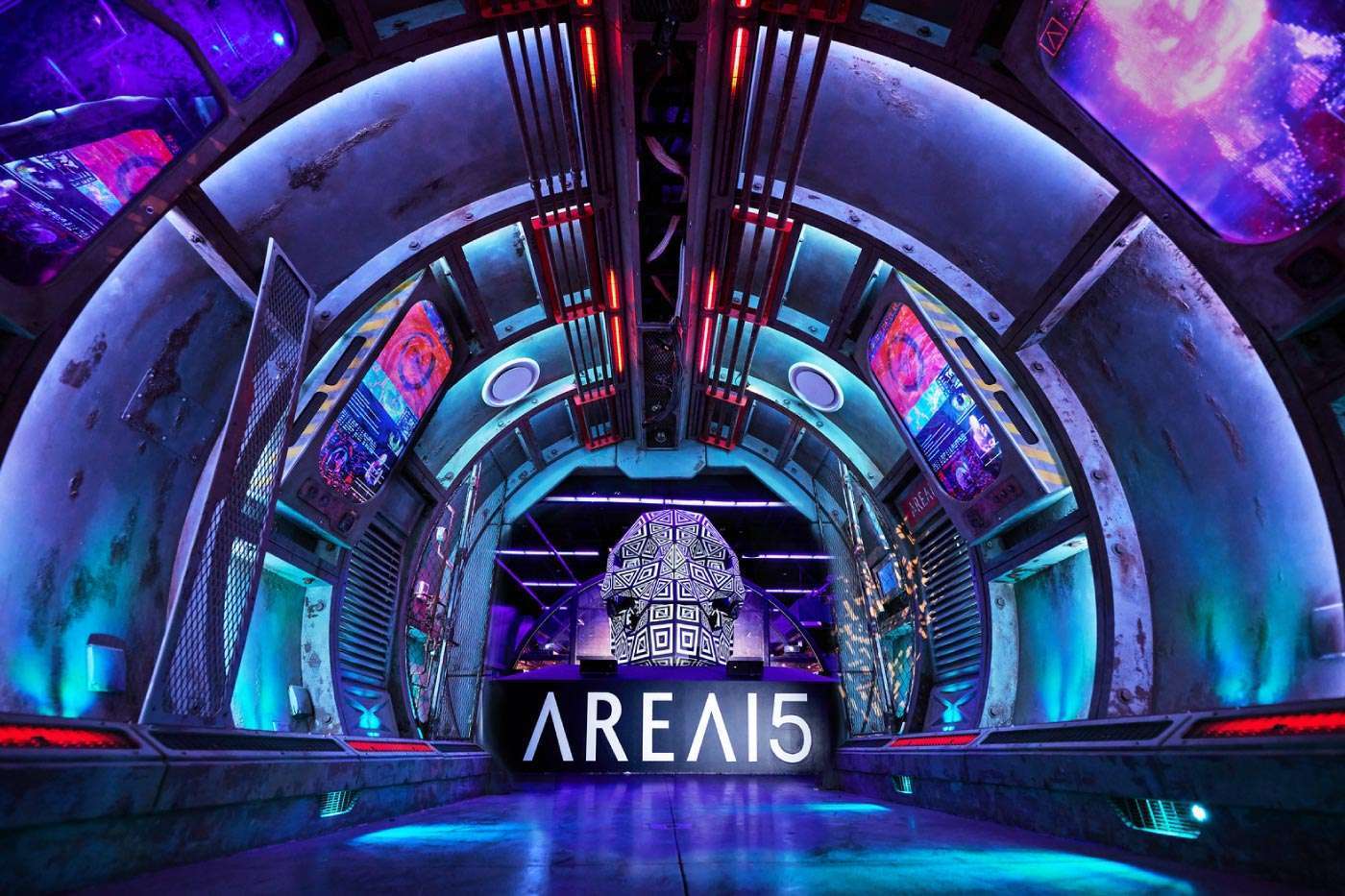
Fisher Brothers has been in business since 1915, started by three brothers who learned masonry from their immigrant father started building homes outside Manhattan. The firm outlasted the Depression, survived several real estate cycles, and has become one of the old guard of American real estate ownership groups. It now manages roughly $6.1 billion in assets, including about 10 million square feet of Class A office across New York, Washington, and Miami, along with 1,500 multifamily units and AREA15, the immersive entertainment district it developed off the Las Vegas Strip.
A portfolio built over that long a period carries a specific kind of technology problem. Buildings were acquired or developed in different decades, each arriving with whatever systems were standard at the time, and very little of it was designed to work together. That is the environment any AI effort at the firm has to operate in.
The push to address it came from the top and arrived quickly.
“Our CEO Winston Fisher is very forward thinking, the moment ChatGPT was released he really decided to lean into AI and that is why we made the decision to start a lab dedicated to how we could harness AI,” said Mark Stutzman, Chief Technology Officer at Fisher Brothers.
Stutzman wanted the lab to try a lot of different new ideas, which meant that he couldn’t get his team bogged down into one large project. So, he self implements a time limit that they have for each initiative. “Early on we made the decision that everything we do has to be able to be completed in a two week sprint,” Stutzman said. “This forces everyone to really focus on what can be deployed.”
Most corporate AI efforts stall somewhere between the pilot and production, usually because the scope grew during development until the thing being built no longer resembled what anyone agreed to. A two-week limit eliminates the scope creep that can come with big tech integrations. It also pushes the teams to focus on projects that can provide quick ROI.
The lab’s other function is understanding what the organization needs from automated technology, which means spending time inside the business units rather than in a technology silo. “Part of our mission is to sit with each business department and understand the tasks that could be automated with agents,” Stutzman said. Leasing, accounting, property management, and development all run processes that look automatable in the abstract and reveal their actual complexity only in conversation with the people executing them.
Deployment across the portfolio is where a company like Fisher Brothers can run into issues with legacy technology. An automation that works in one building may have nothing to connect to in another, and portfolio-wide rollouts run into whatever each property happens to be running.
AREA15 is the rare exception where a property was built around the technology, not the other way around. Fisher Brothers acquired the land in 2005 and opened the district in 2020 as a joint venture with Beneville Studios. It has drawn more than 16 million visitors since, expanded through Zone 2 in August 2025, and now anchors a larger district the City of Las Vegas has designated for development. Because it was built from scratch relatively recently, its systems share an architecture.
“Fisher Brothers properties have lots of legacy systems and unstructured data,” Stutzman said. “AREA15 was built around data so it has been very different how we have been able to roll it out.”
The lab’s longer-term work addresses the need for AI infrastructure, and Stutzman describes it in infrastructural rather than application terms. “What we are building today is the foundation of the brain,” he said. “The idea is that each app has its own MCP connectors so all of the governance and permissions are already built in.”
Model Context Protocol connectors give AI systems a standardized way to reach an application’s data and functions. Building governance and permissions into those connectors rather than into each AI tool means access rules get enforced once at the source rather than reimplemented every time something new gets deployed. For a firm with a varied application portfolio, that is the difference between integration work that compounds and integration work that repeats.
With so many possible uses of AI, prioritizing projects required a system of its own. “We use a value tracker that aggregates the benefits of each project with a score and gives the teams a way to submit their requests,” Stutzman said. “Once a month, we go through all of those and look at what we think would be the most impactful to continue to work on.”
Sourcing feedback from the people that will be using the AI also helps shed light on any areas that are possibly being overlooked.
Stutzman summaried his advice with one line of what the effort has taught him is less about technology than about sequencing. “Don’t fall into the trap of trying to boil the ocean.” Instead he advocates for short projects that can help expose where teh larger work will likely have to take place. “Take digestible chunks and think about how your overall architecture will help standardize the process,” he said. Fisher Brothers is hoping that their AI lab initiative will help them harness AI today that will help solve for the needs of tomorrow.
The post What Fisher Brothers Learned Building AI Into a Portfolio With Legacy Systems appeared first on Propmodo.