Uber beats London cabbies in £340m court battle
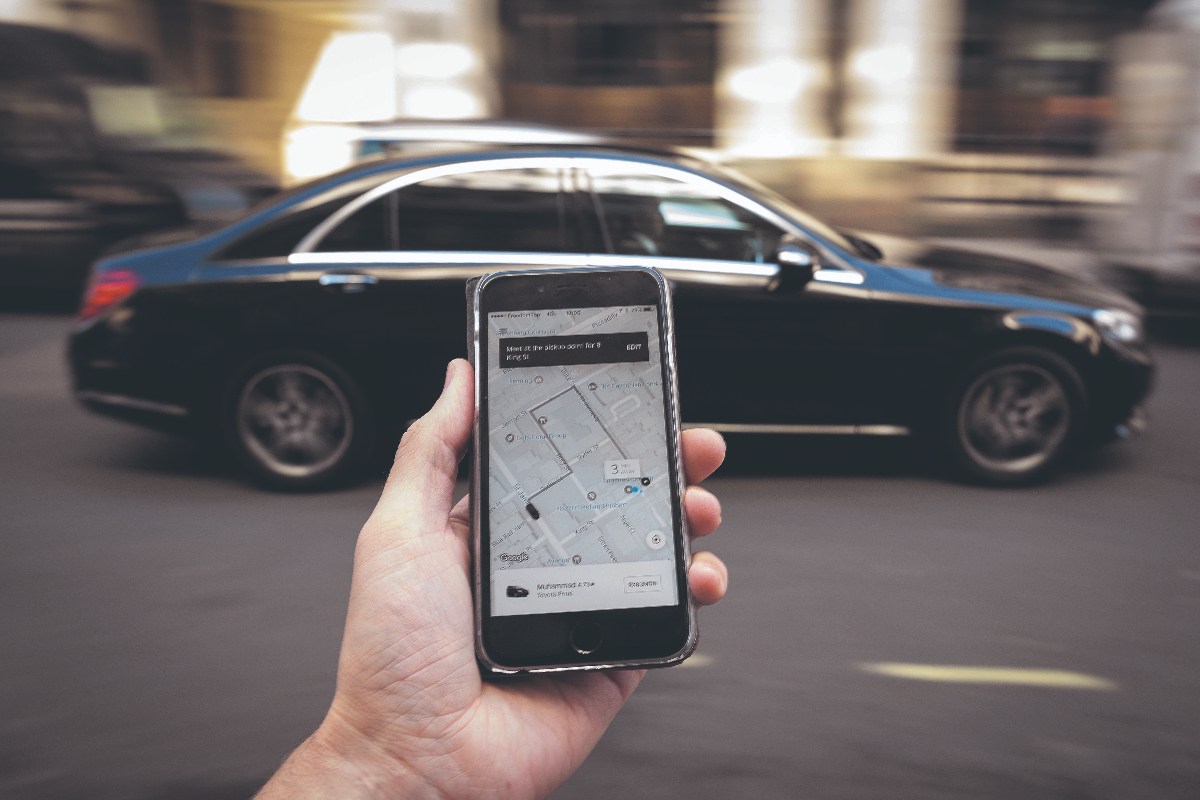
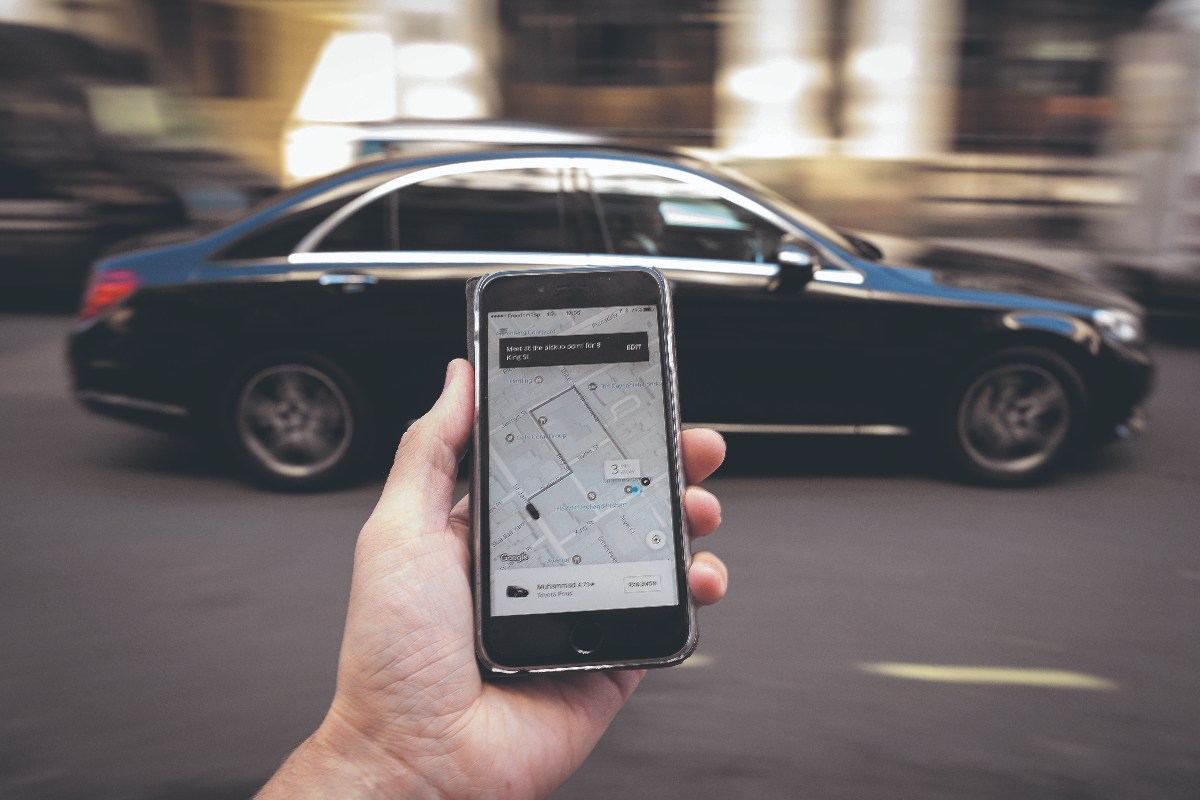
Uber has defeated a £340m legal claim brought by 13,000 London black cab drivers after the High Court ruled they had waited too long to sue the ride-hailing giant.
The ruling, handed down on Monday, throws out two linked lawsuits brought by thousands of cabbies and two former private hire operators, Kabbee and Iride, over allegations that Uber unlawfully operated in the capital for six years.
The claimants accused Uber of providing “misleading and inaccurate information” to Transport for London (TfL) when obtaining its operating licence, allegedly costing rival drivers millions in lost earnings.
But rather than ruling on whether Uber broke licensing rules, the High Court sided with the company’s argument that the claims, filed in 2024, fell outside the six-year legal time limit.
The decision removes a potential £340m liability for Uber, which has spent years fighting legal challenges from London’s traditional taxi trade.
Uber has consistently denied wrongdoing, maintaining that it operates lawfully and holds a valid TfL licence.
The ride hailing giant said: “Uber is proud to work with thousands of Private Hire and black cab drivers to serve millions of passengers across London.”
“We are pleased that the court has dismissed all of these claims entirely at the earliest opportunity and the ruling today has put these legacy matters firmly in the past”.
Why the cabbies lost
The dispute centred on whether drivers could reasonably have uncovered the alleged wrongdoing earlier.
At a preliminary hearing in June, Uber argued that the claimants had known enough to investigate its operations years before launching proceedings.
Its lawyers pointed to TfL’s 2017 decision to refuse to renew Uber’s London licence, which raised concerns about the company’s operations and compliance with licensing requirements.
They also cited evidence that lawyers representing black cab drivers had begun exploring a potential class action in late 2017, with thousands of drivers contacted before Uber’s June 2018 licensing appeal.
In court submissions, Uber argued that the claimants were “plainly unable to discharge the burden of proof” 92required to extend the legal deadline.
An Uber spokesperson previously told City AM: “These old claims are completely unfounded. Uber operates lawfully in London, is fully licensed by TfL, and is proud to serve millions of passengers and drivers across the capital”.
The legal victory comes as Uber expands its presence in Britain’s transport market through autonomous vehicles.
Last week, the company announced plans to pilot self-driving taxis in Manchester, partnering with technology firms Verne and Pony.ai.
The move follows the launch of limited autonomous passenger services in London in September, using vehicles supplied by British startup Wayve.
But the expansion has sparked fresh opposition from taxi drivers and trade unions, which have warned that driverless vehicles could threaten thousands of jobs.
London Assembly members have also called for greater local oversight of autonomous taxi services amid concerns over congestion, safety and accessibility.