Trump pushes UN ‘free speech’ declaration in veiled attack on EU tech regulation
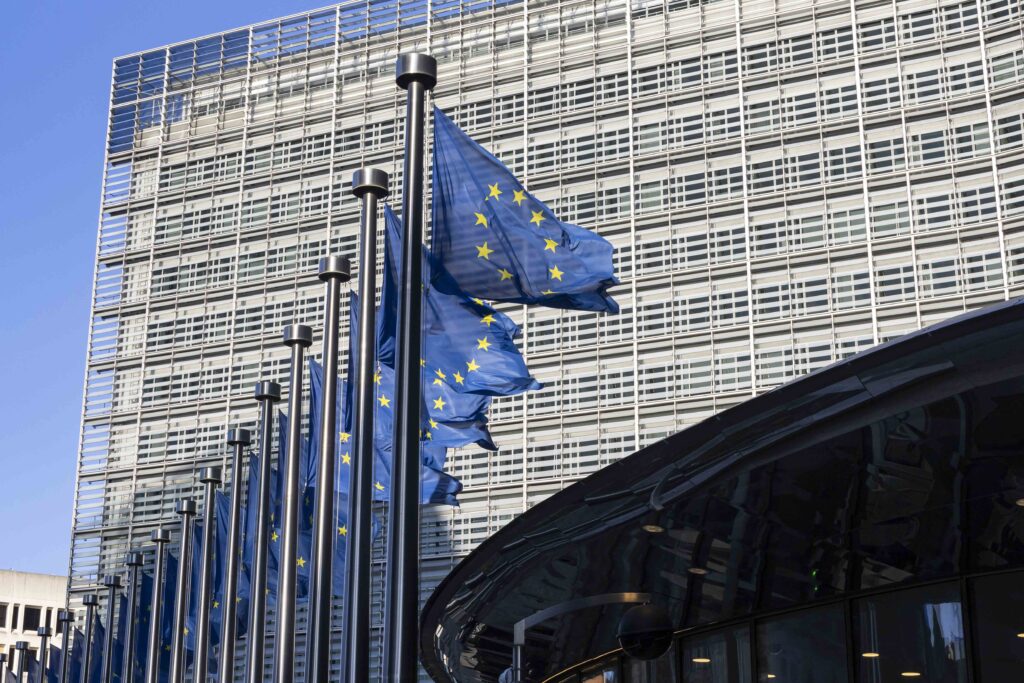
BRUSSELS — The Trump administration will use the upcoming U.N. General Assembly to push a global “freedom of expression” declaration that European lawmakers say is a not-so-subtle dig at the bloc’s tech regulation.
POLITICO has obtained a draft of the joint declaration that the U.S. has begun circulating among countries in the hope that it will be signed by heads of government at an event on the sidelines of the annual United Nations meeting in September.
The version of the document seen by POLITICO denounces “new laws” and “regulatory frameworks” that it says endanger free speech around the globe in “historically democratic countries.”
The White House and Republican party allies have repeatedly attacked rules in several jurisdictions that govern online platforms, notably in the European Union, alleging that they amount to censorship. Most memorably, freshly elected U.S. Vice President JD Vance said in February 2025 that the biggest threat to Europe wasn’t Russia or China but its own actions against free speech.
“The Trump administration’s knee-jerk instinct to paint any tech regulation as a free speech crusade is political theater — a calculated smokescreen designed to deflect attention from the real censors: the U.S. government and its corporate allies,” said German Greens MEP Alexandre Geese when shown parts of the statement.
The signatories are to “commit” to “recognize that punishing allegedly false speech” like “disinformation,” “misinformation” or “hate speech” can endanger “freedom of expression” unless that content is directly inciting violence.
In a Thursday post on X, U.S. Undersecretary of State for Public Diplomacy Sarah Rogers said there was a draft of a “free expression” document produced as part of recent talks at the OECD.
“We drafted a joint statement with the aim of promoting transparency and driving consensus. The statement is intended as an expression of comity and common values, and also as a source of interpretive guidance for American speech companies complying with overseas laws,” she wrote.
Rogers added that the declaration is not intended to override the Digital Services Act (DSA), the EU’s flagship platform law.
Two EU officials confirmed that the draft was now being circulated in Brussels ahead of U.S. plans for a public signatory event at the U.N. in September.
European governments have been trying to tackle the risks of inflammatory online speech, which are illegal in some EU countries. The EU’s DSA considers threats to elections as a systemic risk and regulators have focused their attention on disinformation as part of that.
Trump’s MAGA supporters contend that these laws have gone too far and are only a pretext for stifling certain types of speech.

Shown parts of the draft statement, French liberal MEP Sandro Gozi told POLITICO that the Trump administration is pushing for a “global Wild West,” where platforms are not regulated.
They are “hiding behind the excuse of freedom of expression,” Gozi added. “We do not share this approach as Europeans. For us, freedom of speech is not freedom of reach, and this is particularly true for the very large online platforms, which we think must moderate, not censure, what is happening.”
The Council of the European Union, where diplomats and government experts from the 27 countries meet, discussed the resolutions on Tuesday under an agenda item on “Protecting and Promoting Freedom of Expression Online.”
EU countries may try to negotiate the text as to not set a precedent that could target the bloc’s laws, and avoid criticism that could ensue if they refuse to sign a document that purports to protect freedom of speech.
The draft also tries to shield online platforms from being obliged to intervene in online content. The signatories are to “commit to avoid imposing obligations on service providers that result in over-removal or protected speech through legal or regulatory pressure.”
The governments are also asked to agree that they won’t require online platforms to “proactively moderate content” falling within certain categories of speech.
Trump has repeatedly sought to protect the interests of U.S.-based Big Tech since his return to the White House, and the platforms have repeatedly complained about the cost and obligations of abiding by EU regulations. It is unclear whether those companies had a role in pushing for the document.
The listed categories of protected speech in the draft statement include political discourse and religious speech, but also several areas that are core to the MAGA movement: “discourse about elections processes,” including concerns “about ballot counting systems;” “scientific, academic and intellectual discourse, including opinions and novel theories on public health” as well as “statistically, biologically or empirically supported facts, even where such facts are contested by official bodies or are politically inconvenient.”