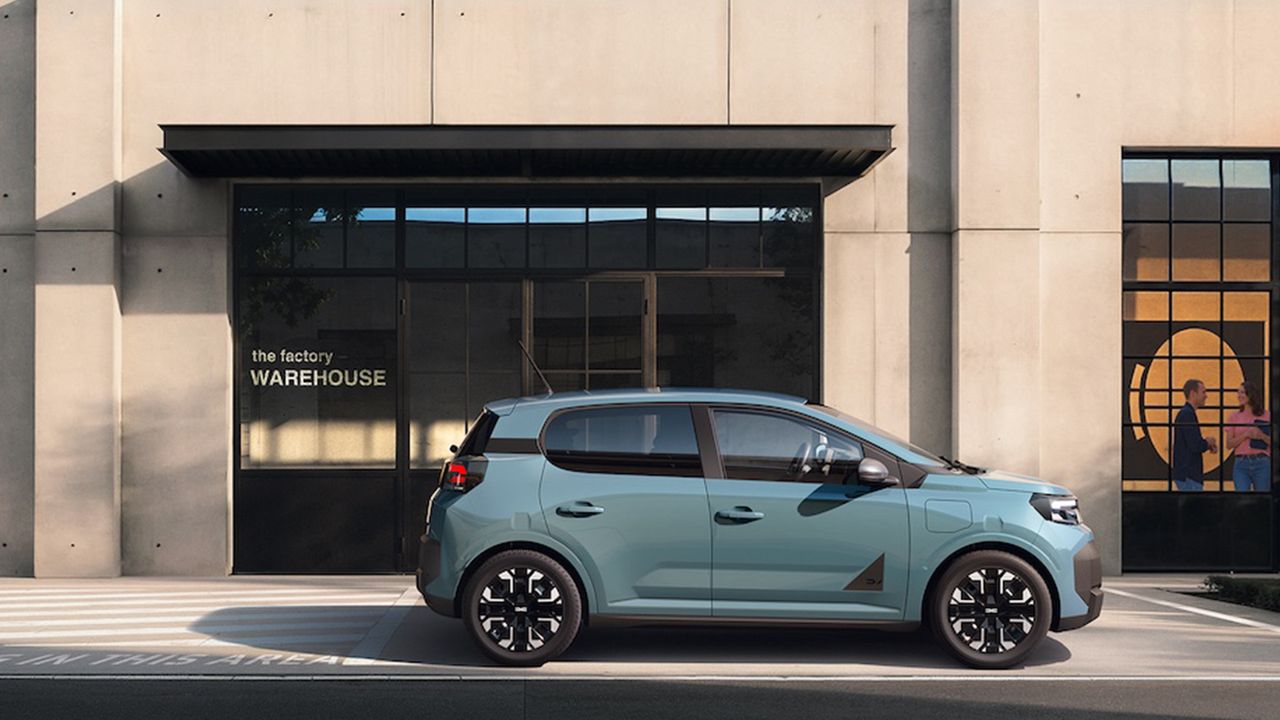
The UK’s cheapest EV just got bigger, faster and smarter — but the sub-£18k Dacia Spring could still lose its cut-price crown
- Dacia says the thoroughly revised Spring will go on sale next year
- It will be based on the same platform as Renault’s Twingo
- More power, greater range and improved in-car tech all promised
Earlier this year, Chinese EV manufacturer Leapmotor upset the applecart when it dropped the price of its T03 electric city car down to just £12,995, making it officially the cheapest electric car in the UK.
Dacia, the long-time holder of that title, quickly responded and slashed the price of the current-generation Spring to just £11,990 in its cheapest version.
Now, the company says an all-new model is on the horizon, which promises 155 miles of range on the WLTP cycle (up from 140 miles) thanks to a larger 27.5kWh LFP battery, an extra 10 horsepower from the single electric motor and faster charging via 50kW DC outlets.
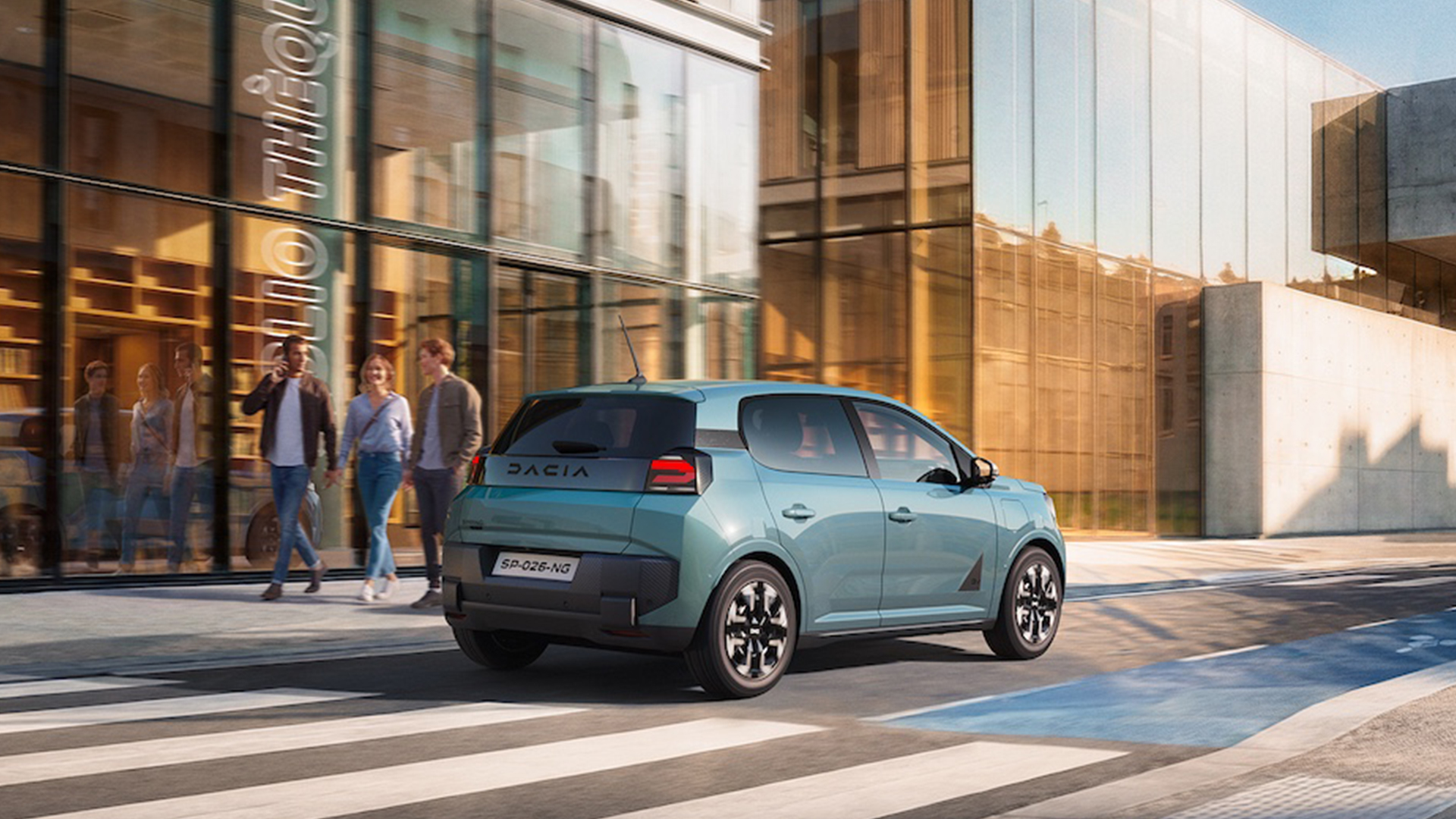
Perhaps more importantly, the upcoming Spring rides on an all-new platform, shared with the Renault Twingo and forthcoming Nissan Wave EV, which means the body is longer and considerably wider than the outgoing model.
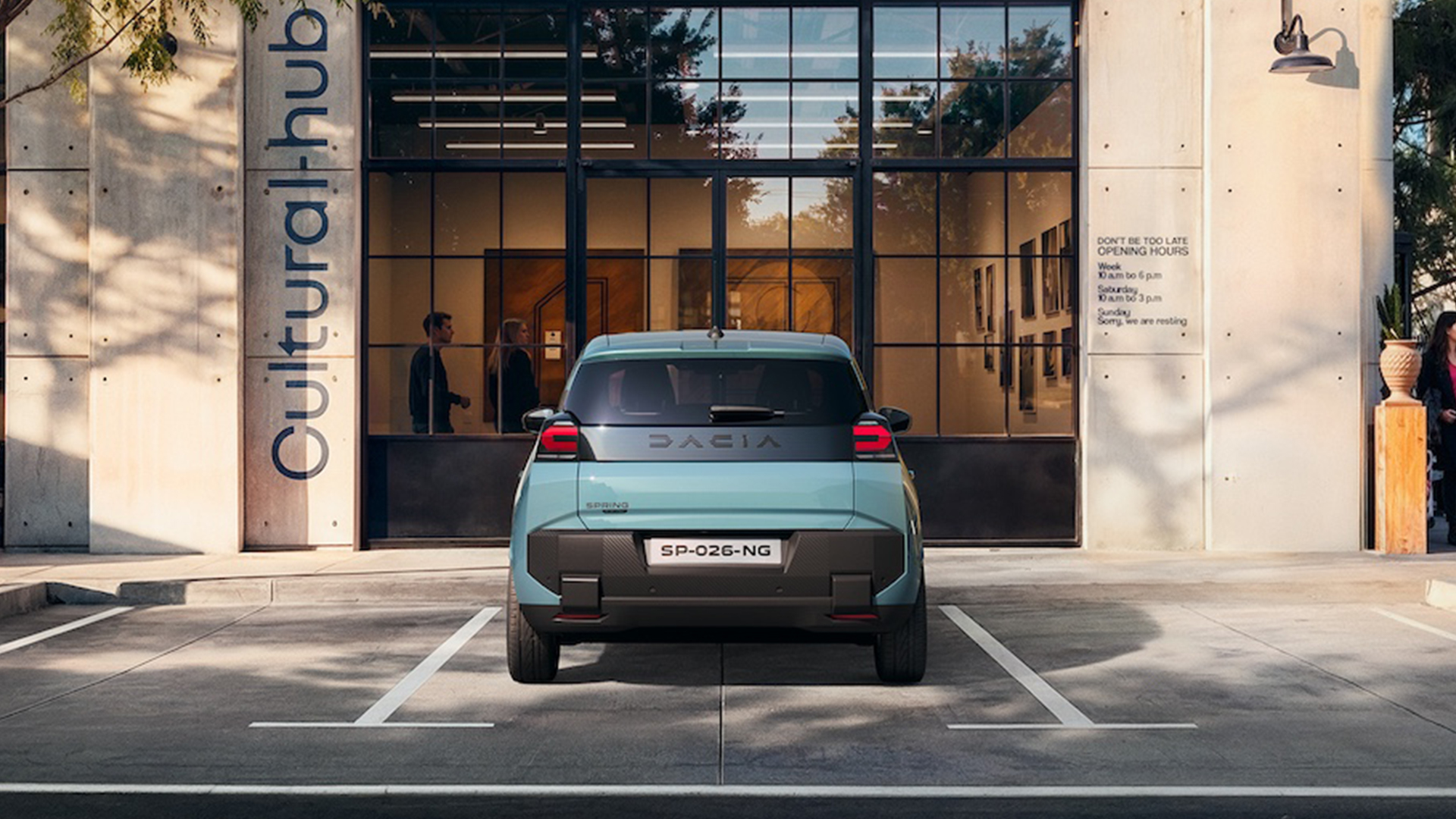
This offers up more interior space for passengers — something the current Spring isn’t particularly good at — as well as an additional 29 liters of space in the trunk, increasing the maximum cargo space by 279 liters to 1,283 liters overall.
Alas, Renault’s RG-EV Small platform and the larger battery mean the new Spring will be considerably heavier, although Dacia says improved efficiencies in both the battery and motor ensure it offers more usable range than the vehicle it will replace.
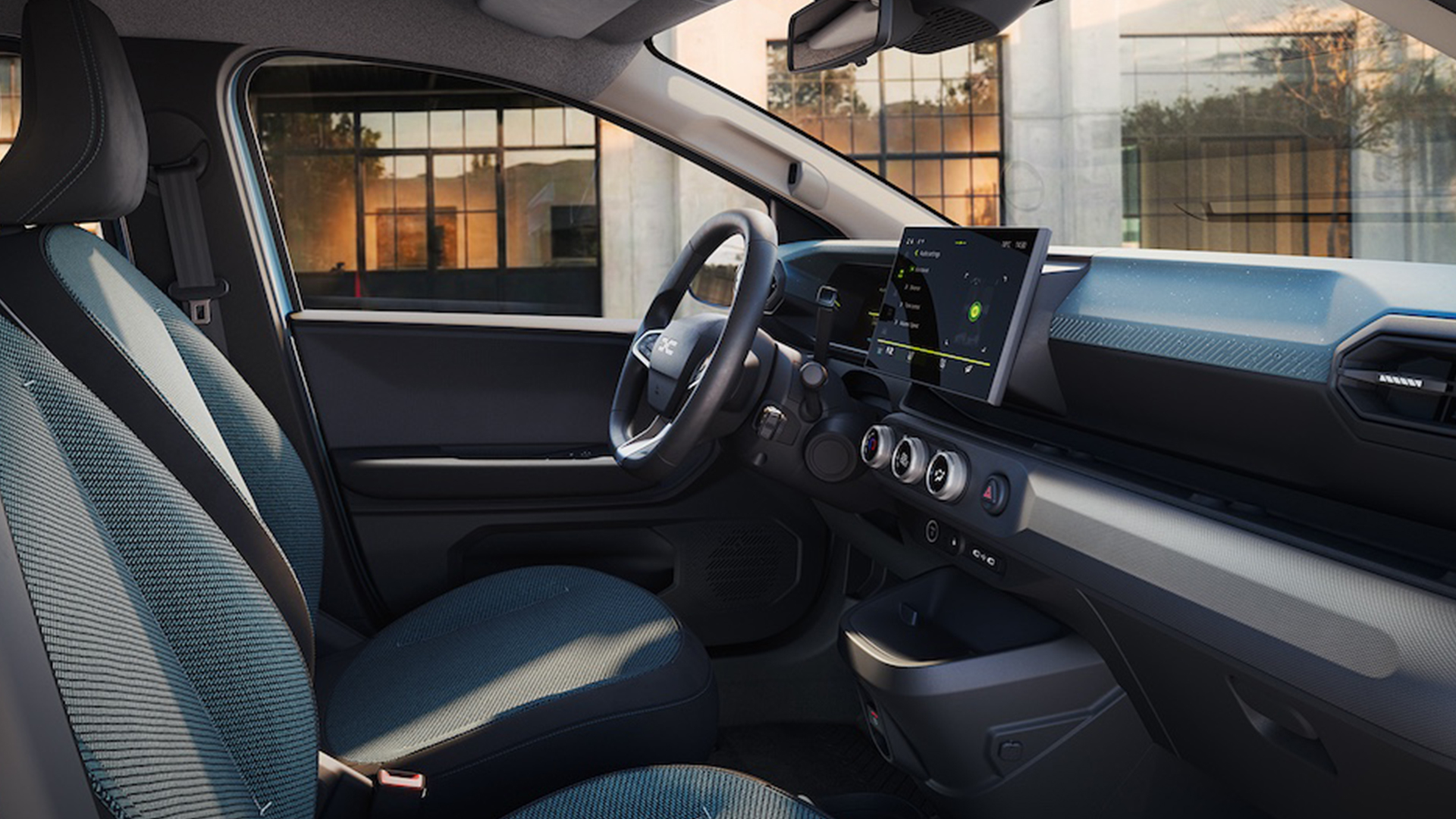
Alongside a generally elevated cabin, complete with more premium fabrics and trims, technology has taken a sizeable leap forward, too.
Every new Spring will get a 7-inch digital instrument cluster, while more expensive Journey models gain Dacia’s Media Nav Live system, built around a much larger 10.1-inch touchscreen.
It brings wireless Apple CarPlay and Android Auto, connected navigation with real-time traffic and continuously updated European maps, plus connected services that let owners schedule charging and pre-condition the cabin remotely.
There’s also a vehicle-locating function and an app store, although it hasn’t been confirmed whether the system will run on the Android Automotive platform like some of its Renault siblings.
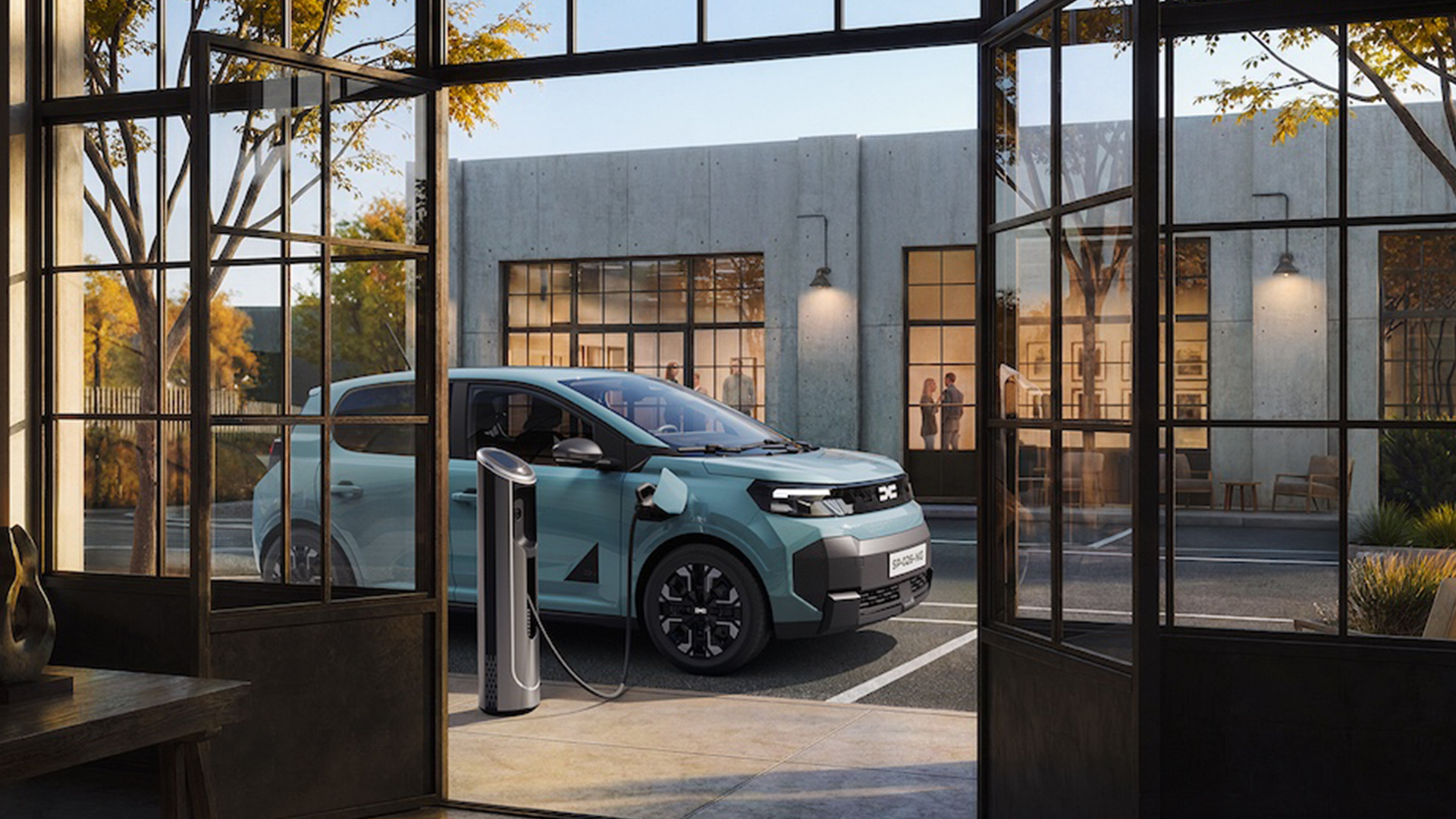
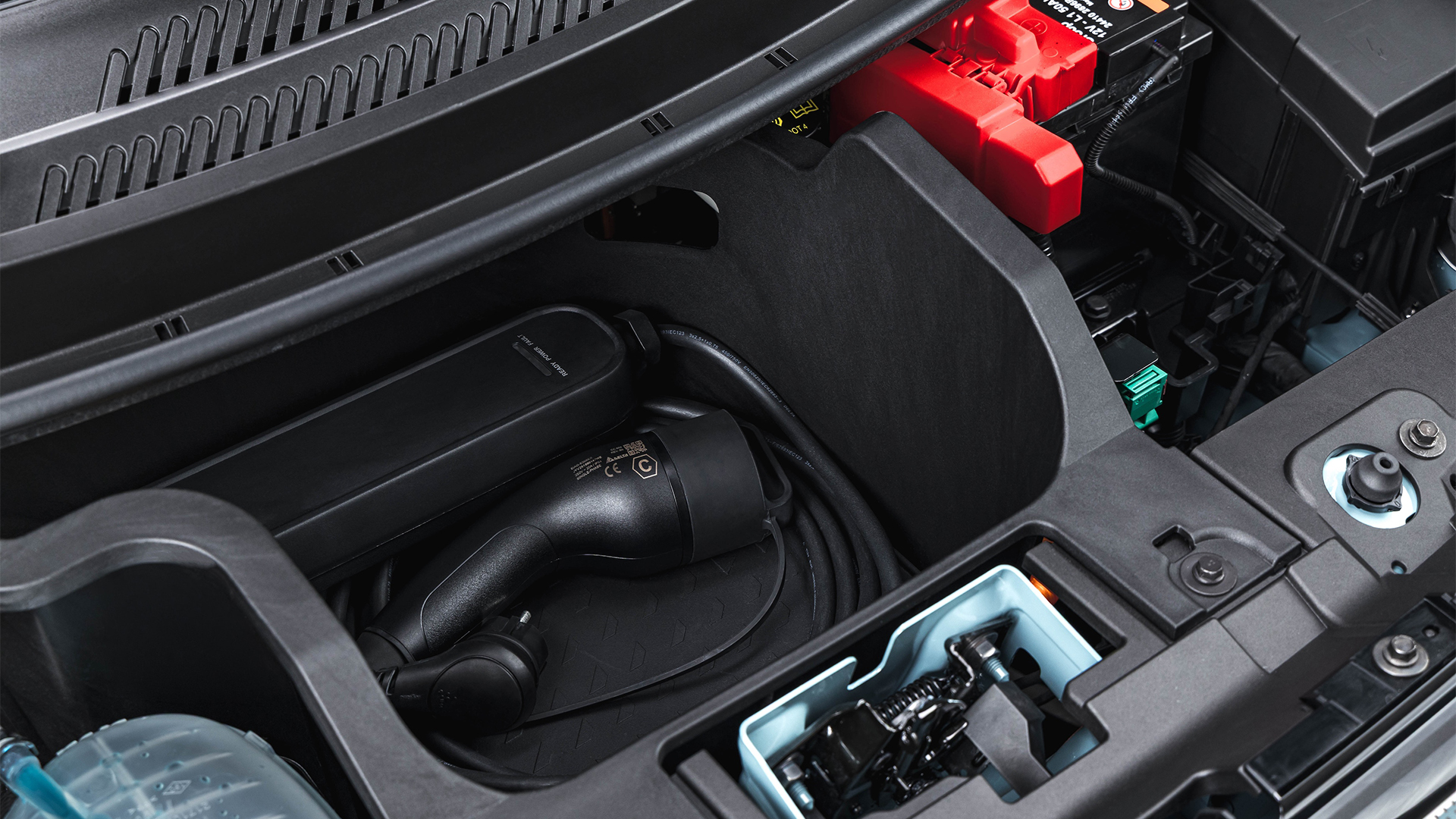
Dacia has also added some useful EV-specific tech. The optional Charge Pack brings an 11kW AC charger and 50kW DC rapid charging, while Vehicle-to-Load capability allows the Spring to supply power to external electrical devices.
Analysis: More adventurous, but more expensive
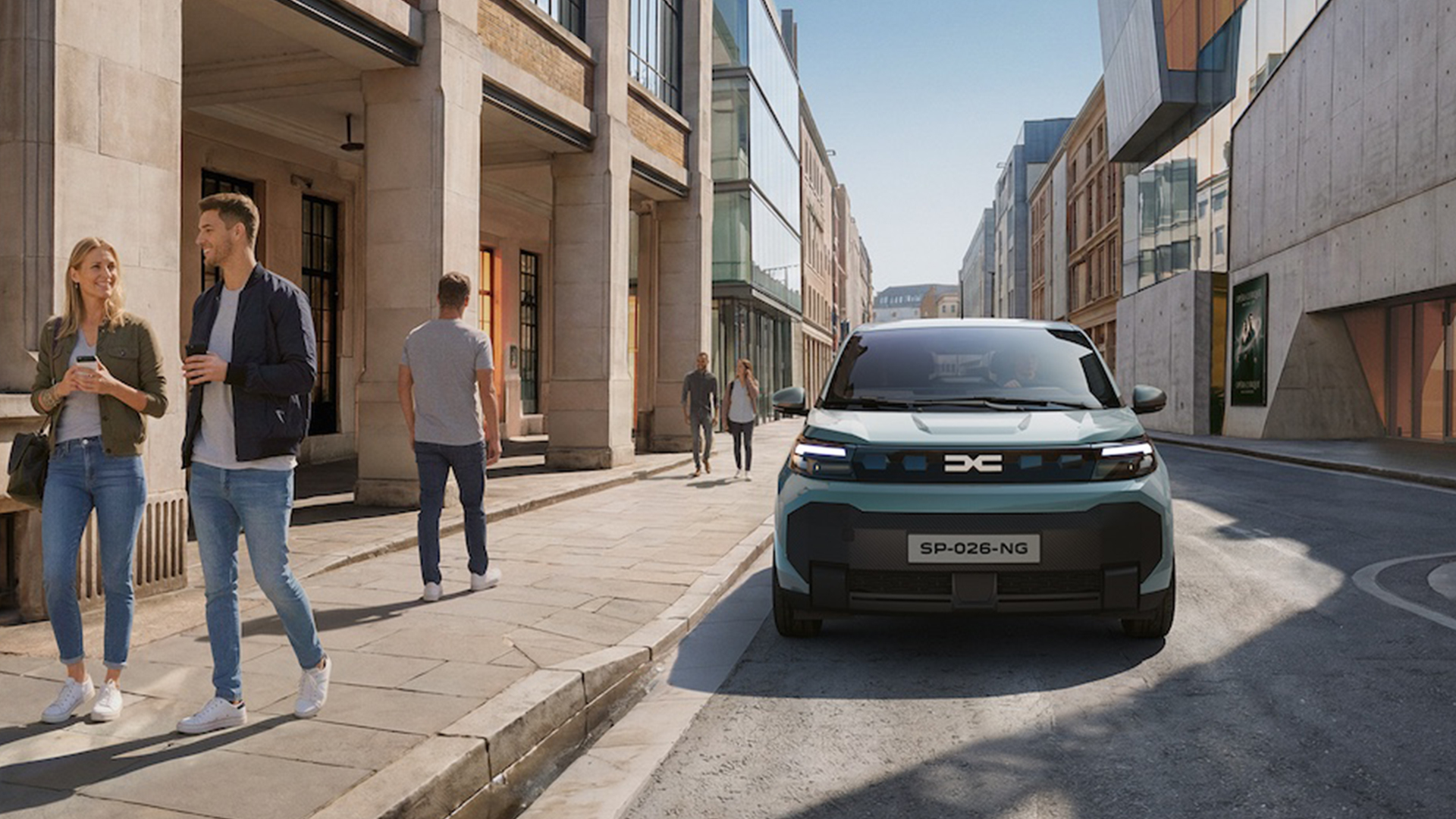
Dacia has been working hard over the years to position itself as the adventurous brand within the Renault Group, all while pushing its value-for-money messaging.
As a result, the new Spring looks decidedly more capable, with a more commanding road presence and protective cladding making it generally seem more robust than the current generation.
The Renault Twingo EV, which shares most of its structural components with the upcoming Dacia model, is yet to receive its official Euro NCAP safety rating, but we would bet good money it will be a good deal safer than the one-star rating the 2021 Dacia Spring received.
However, there is a big question mark hanging over the price. Dacia has revealed that the new Spring will cost less than £18,000 when it arrives in showrooms next year, although the UK government’s Electric Car Grant scheme could bring that down to around £14,000.
But even with subsidies, it looks like the upcoming Spring will no longer be the UK’s cheapest electric vehicle, leaving Leapmotor to take back the crown.