



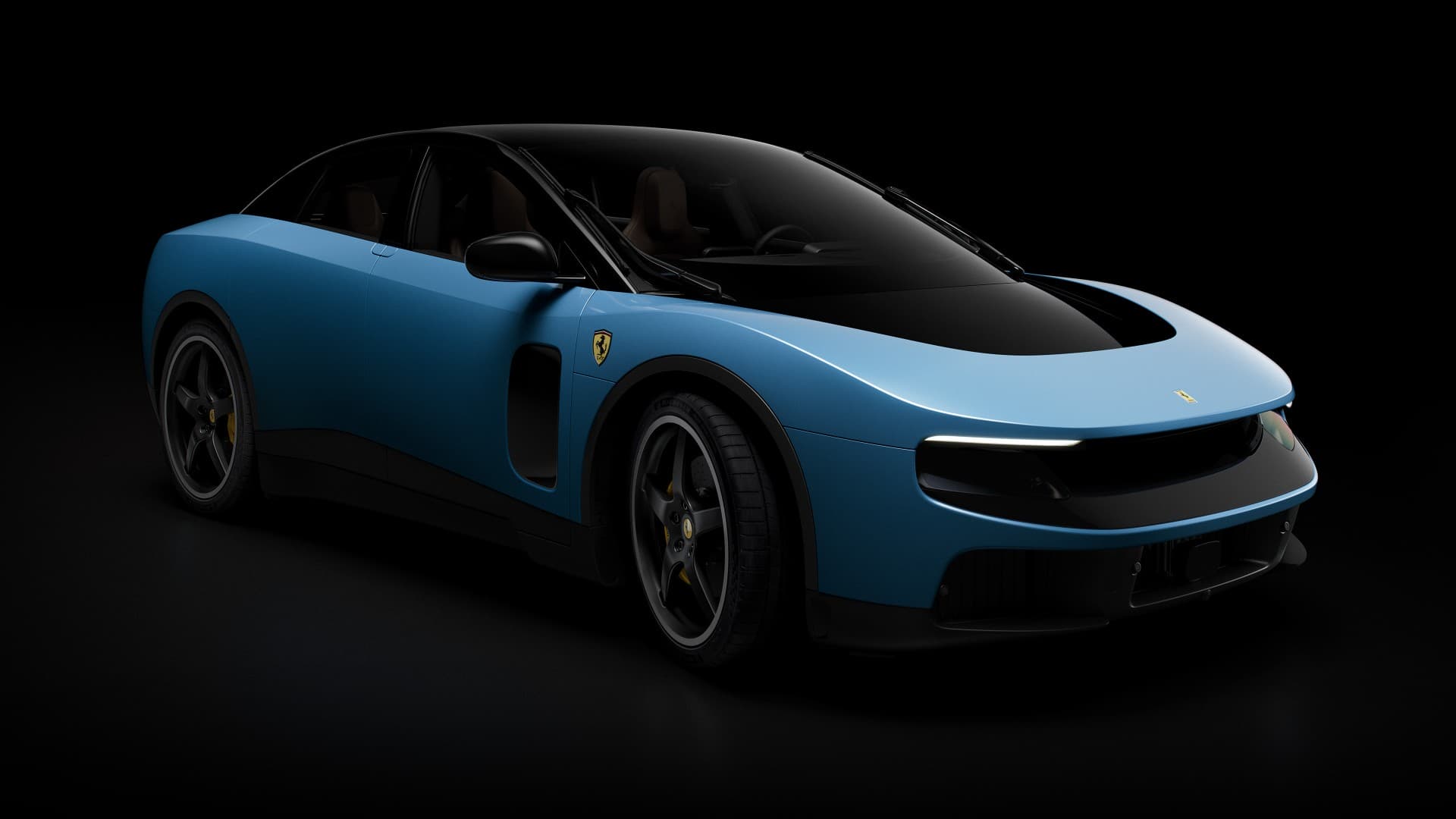
The Ferrari Luce Triggers an Identity Crisis
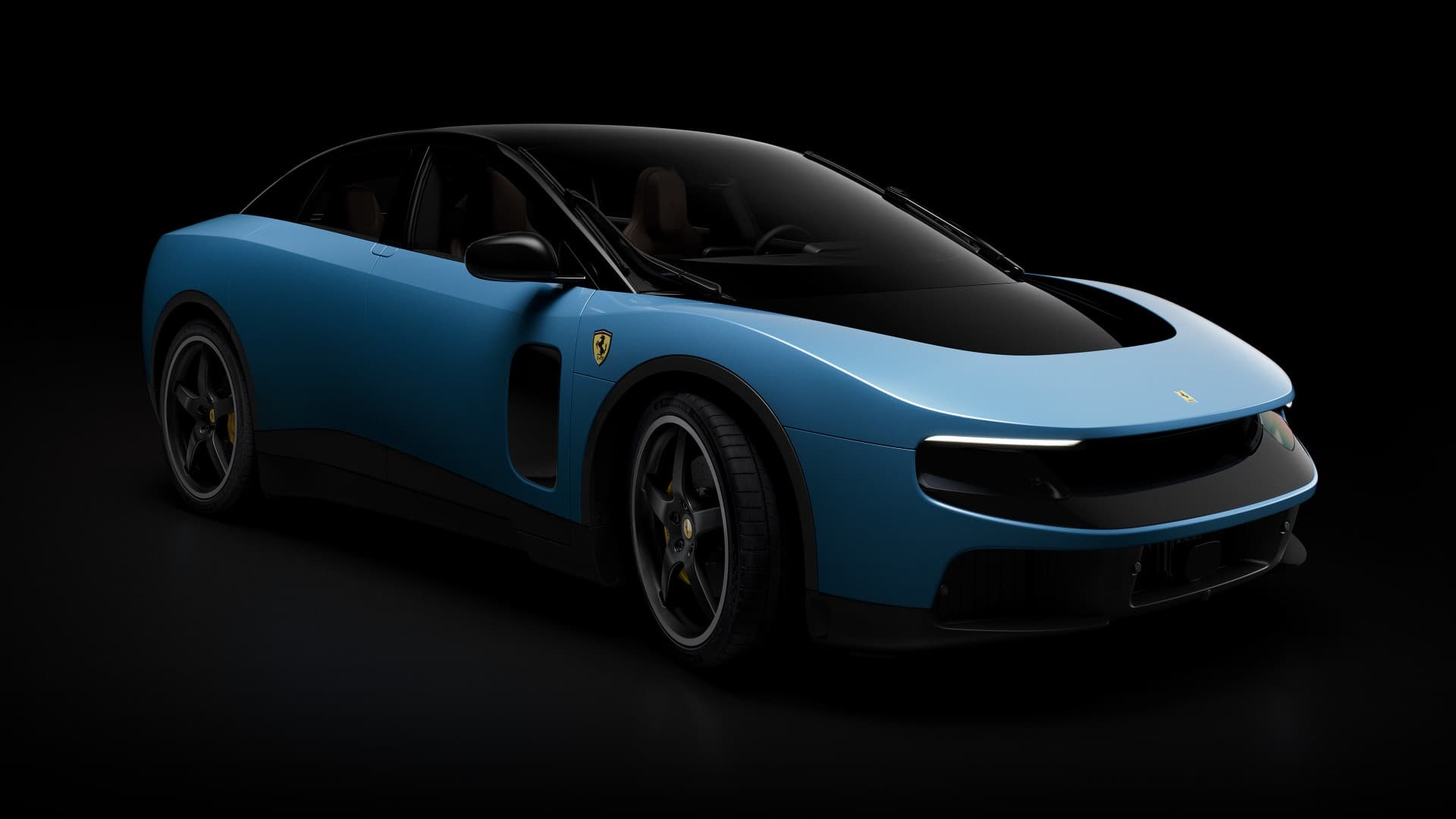
Ferrari’s first electric vehicle, the Luce — directly translated as “light” in Italian — has sparked a backlash for what many see as a rupture in the brand’s emotional and aesthetic continuity. Ferrari’s shares reportedly fell by up to 10 percent after its unveiling, while social media saw memes, comparisons and outright rejection from Ferrari traditionalists. Rather than Ferrari’s venture into Electric Vehicles (EVs) itself, the backlash appears to stem from design critique and, more fundamentally, from questions over whether the car still “feels like a Ferrari”. Former chairman Luca Cordero di Montezemolo warned that the model risks “destroying a legend” — a sentiment that captures Ferrari’s current identity fault line.
Read More: Ferrari Reveals New Logo for its 75th Anniversary
The Controversy
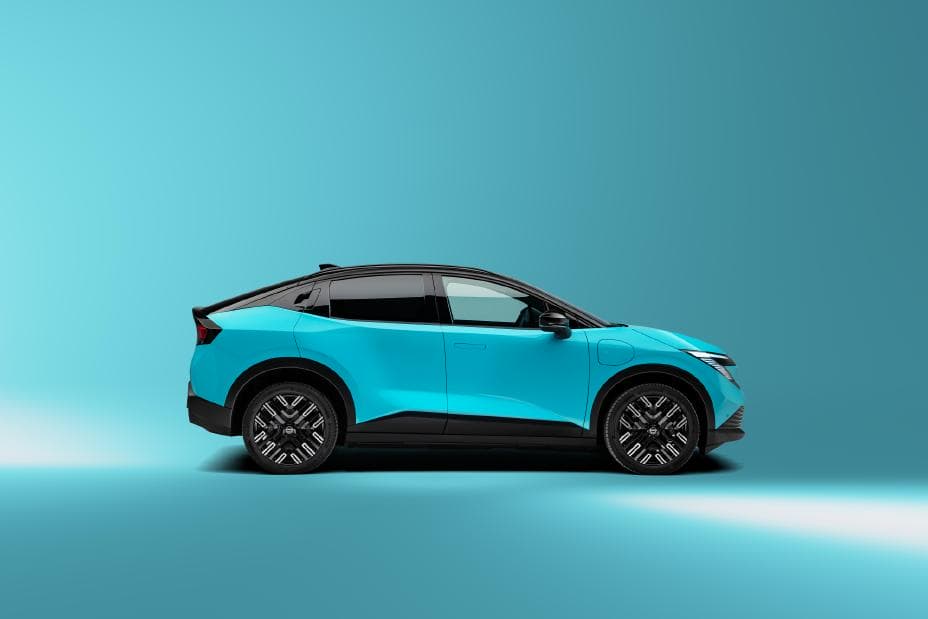
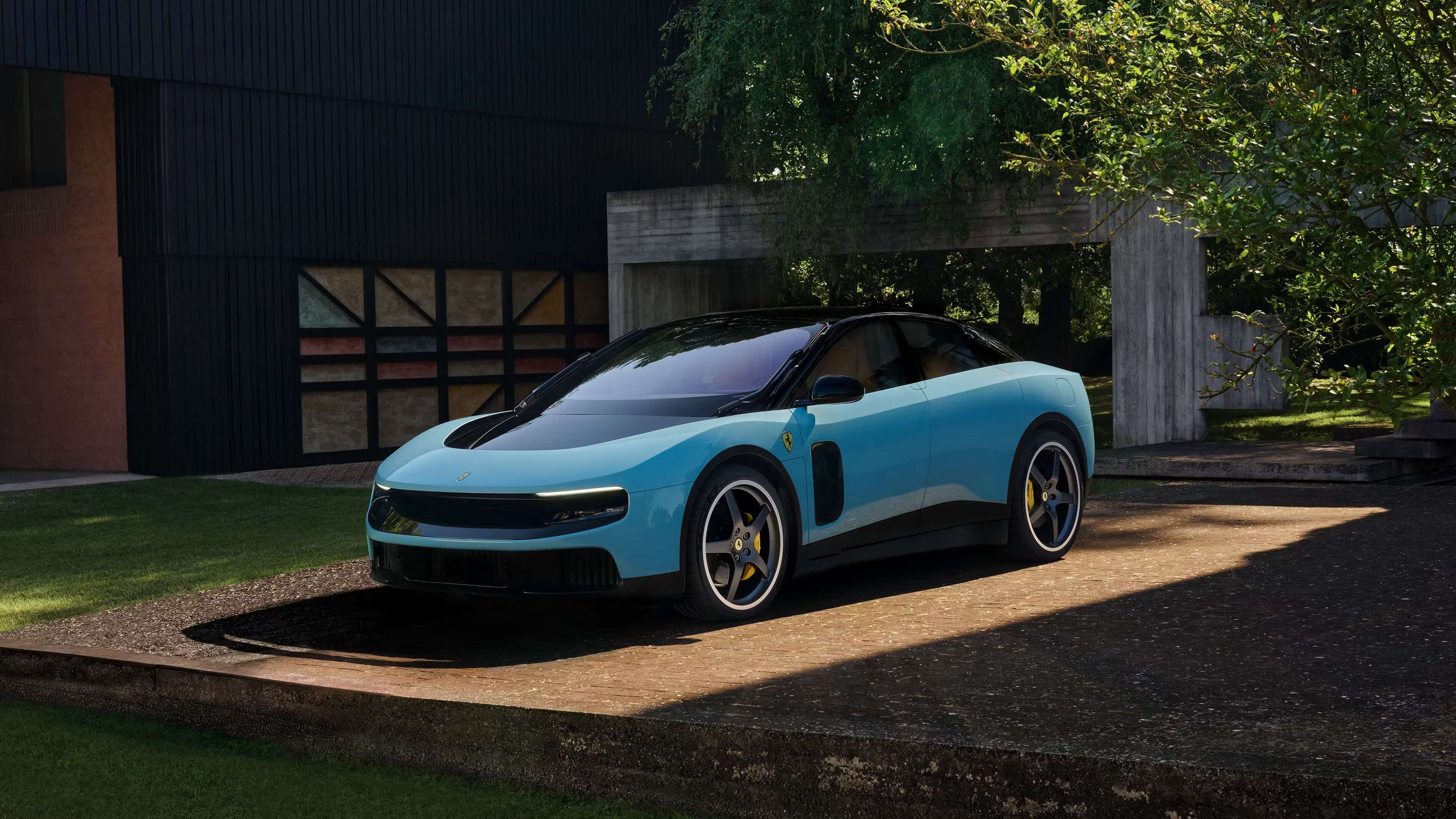
Nissan Leaf (left) and the Ferrari Luce (right)
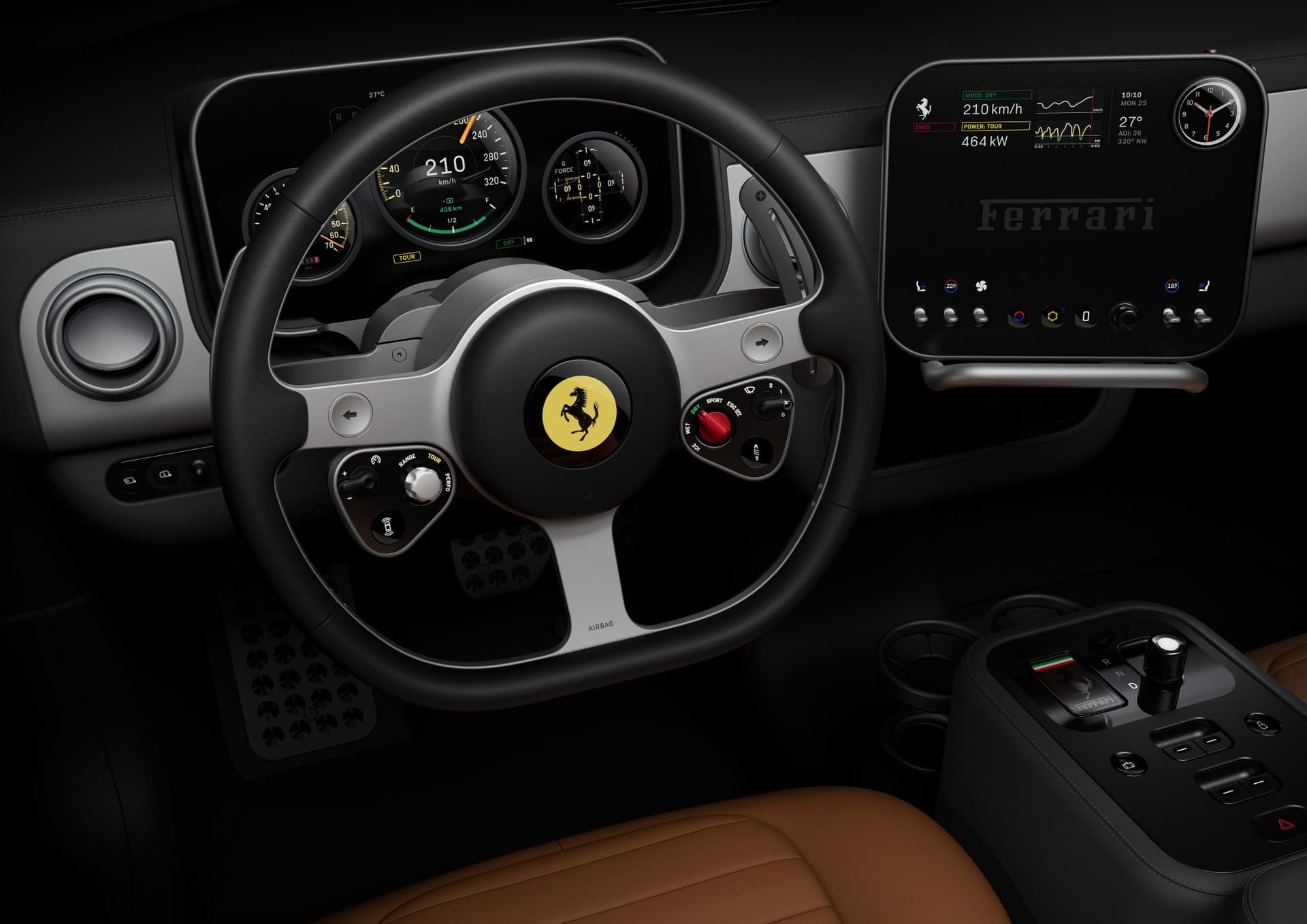
The pastel blue launch colour triggered immediate backlash online, where it was repeatedly compared to the Nissan Leaf — a mass-market EV that sits at the opposite end of Ferrari’s pricing range. For a brand that trades on visual aggression and immediate recognisability, the association cut directly against expectation. Rather than reading as a bespoke Ferrari identity, critics framed the imagery as flattened and commodity-like, closer to mainstream EV design language than Ferrari’s established visual code. The Luce introduces a four-door layout, a five-seat cabin and a design language shaped by product and interface thinking rather than traditional automotive proportion.
Furthermore, Ferrari has always policed its own visual identity tightly, to the point of enforcing an informal “blacklist” of modifications that clash with the brand’s codes — a stance often cited in cases like Paris Hilton’s custom pink Ferrari, which became a prime example of how far the marque is willing to go to protect its aesthetic authority.
Read More: Jaguar’s Rebranding Causes A Global Stir
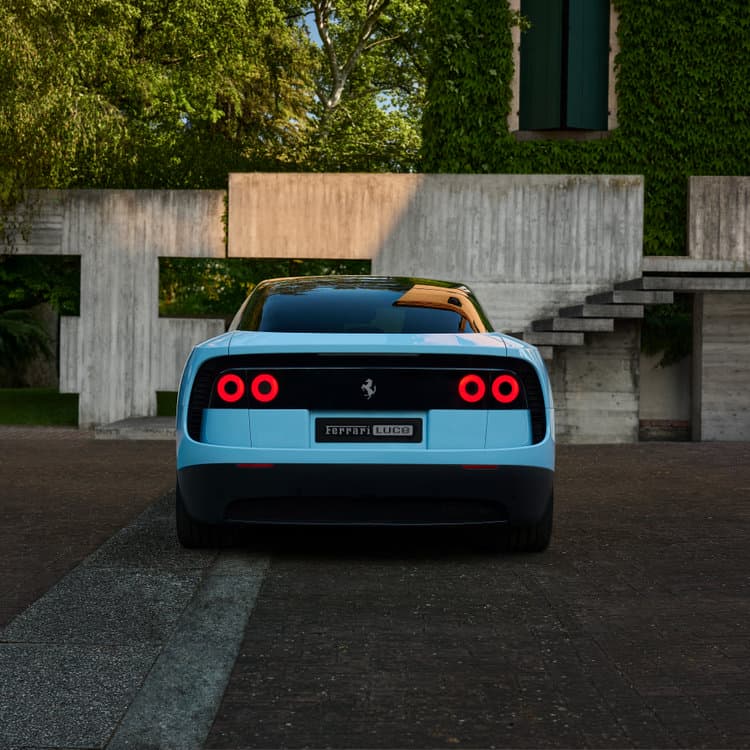
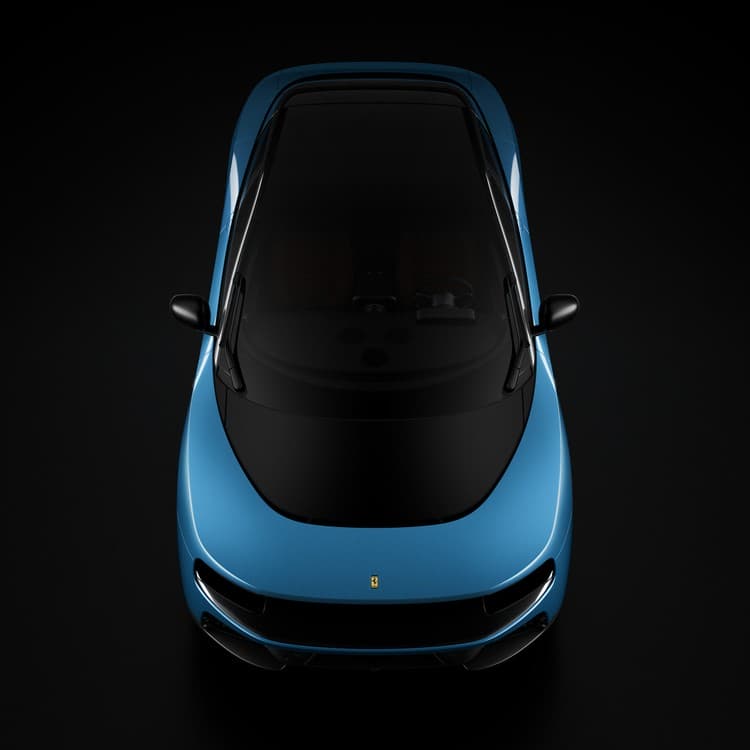
Identity Erosion
The Luce backlash ultimately speaks to a question of identity erosion. Ferrari has spent years positioning itself for an electric transition, but in doing so it appears to have drifted away from the very traits that made it desirable in the first place: the mechanical crescendo of its combustion soundtrack and aerodynamic design, the constant tension of power delivery at the edge of grip, the deliberate instability that kept the driver engaged and the visceral sense of risk encoded in its combustion-era engineering language. Critics argue that the result is a vehicle that performs at the highest technical level, yet feels emotionally detached from the Ferrari mythos.
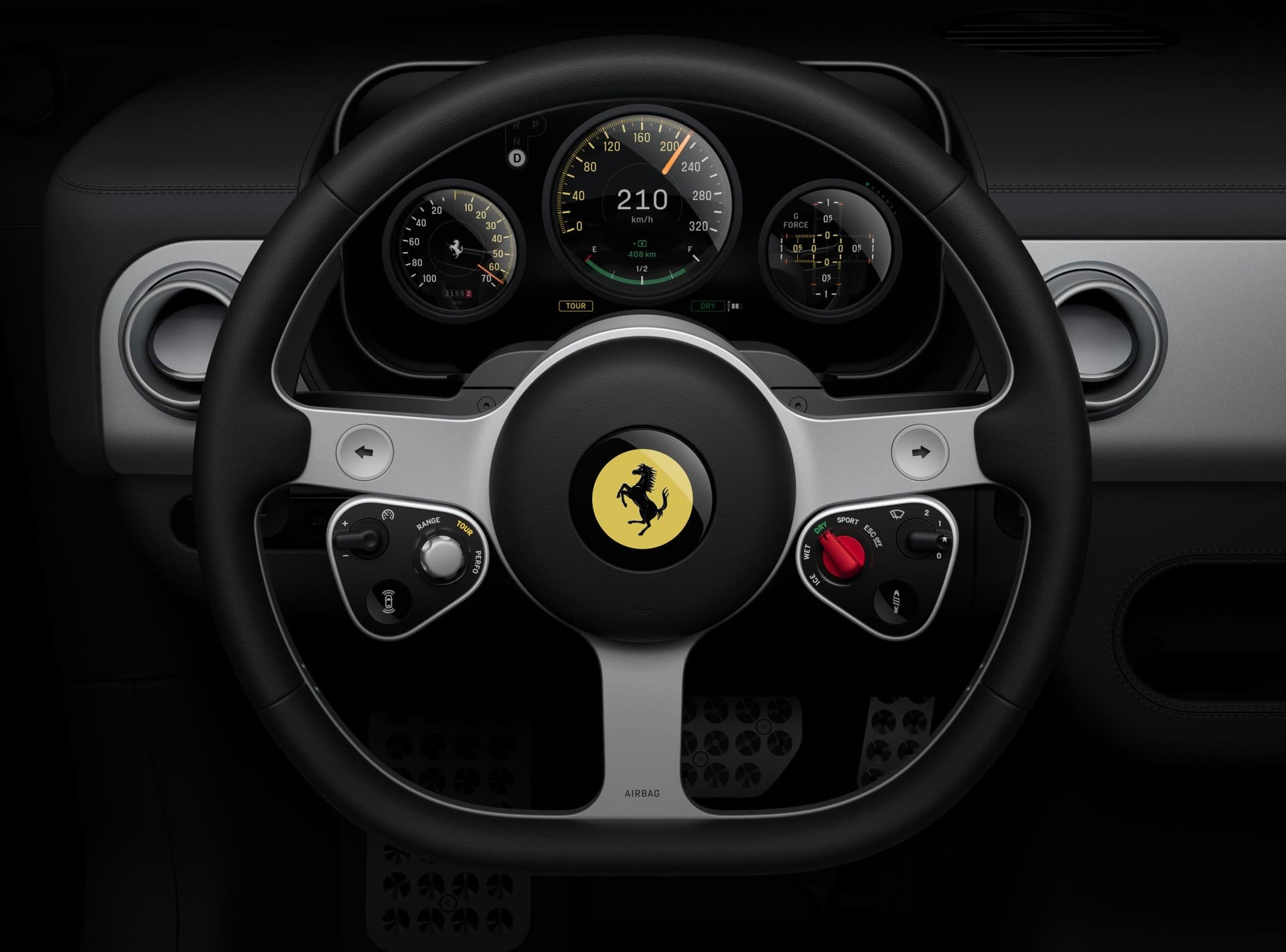
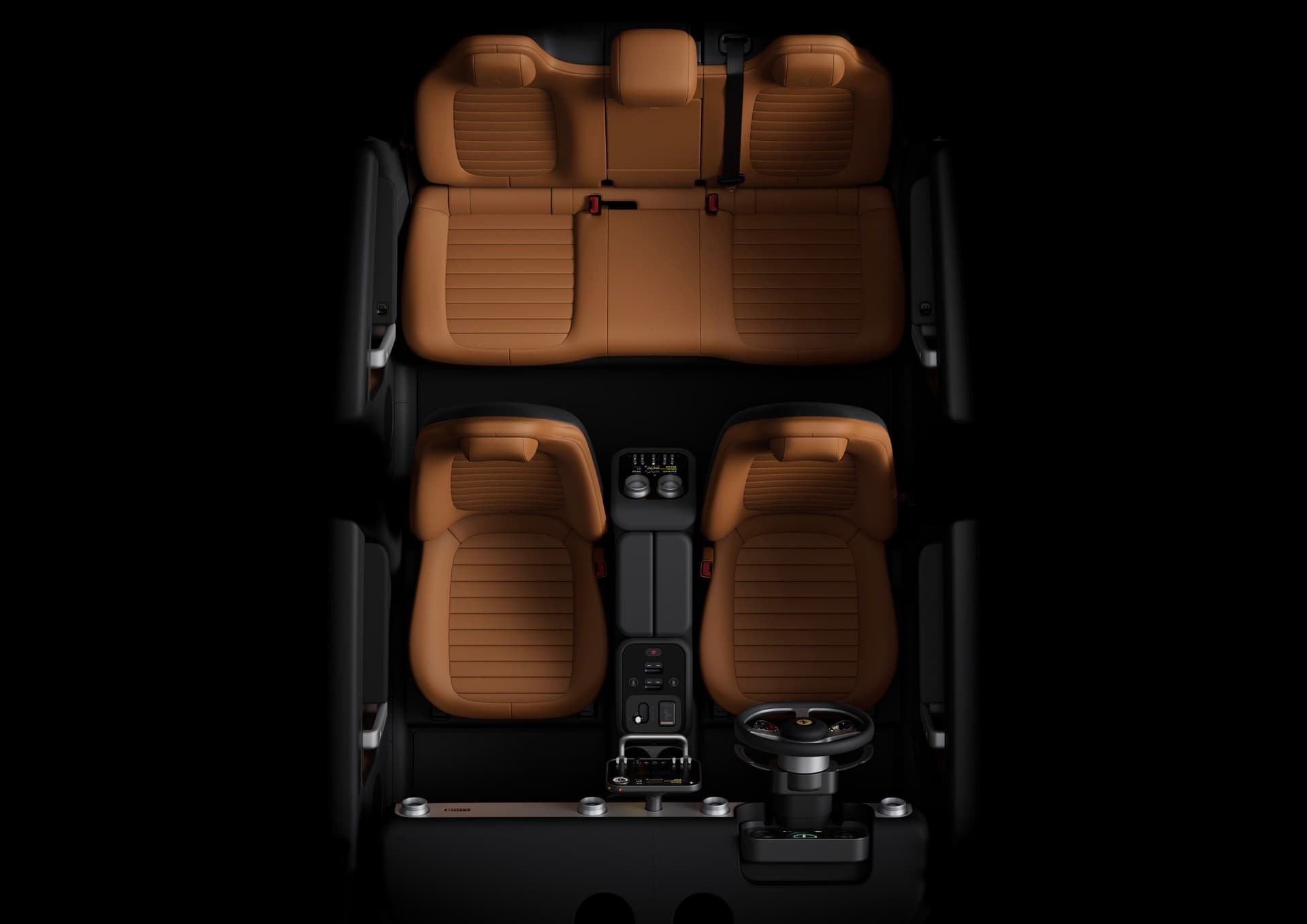
A typical Ferrari has a chassis behaviour that demands constant correction at the limit; the experience is unstable by design and the driver is always managing risk. The Luce removes that entire feedback loop. It is silent and digitally mediated, built around stability and control, resulting in a car that performs at an extreme technical level but removes the physical tension that historically defined Ferrari ownership. Where previous Ferraris suggested speed as danger — some perceived the Luce’s speed as a sanitised and controlled expression of performance.
Read More: Opinion: Tesla is Committing Automotive Suicide
Competing with Chinese EVs Was a Strategic Misstep
Ferrari’s electrification strategy is also shaped by the realities of China, now the most competitive and fast-moving market for premium EVs. Unlike Europe, where electrification is still layered onto existing combustion-era expectations, China has already normalised electric performance as the baseline. Buyers in the ultra-luxury segment expect high output, advanced digital systems, rapid charging capability and constant software iteration, often at significantly lower price points than European equivalents.
Domestic manufacturers have accelerated this shift. Brands such as BYD and other Chinese EV makers have moved into performance territory once reserved for European supercars, offering extreme acceleration, experimental features and highly specified interiors that compete directly with established luxury marques. At the same time, price compression driven by scale, supply chain integration and state-backed industrial capacity has forced global manufacturers to rethink how premium positioning is maintained in an environment where technological parity is no longer rare. The scale, pricing and design direction of the Luce signal an effort to preserve exclusivity in a market where electrification is already saturated and under sustained pressure.
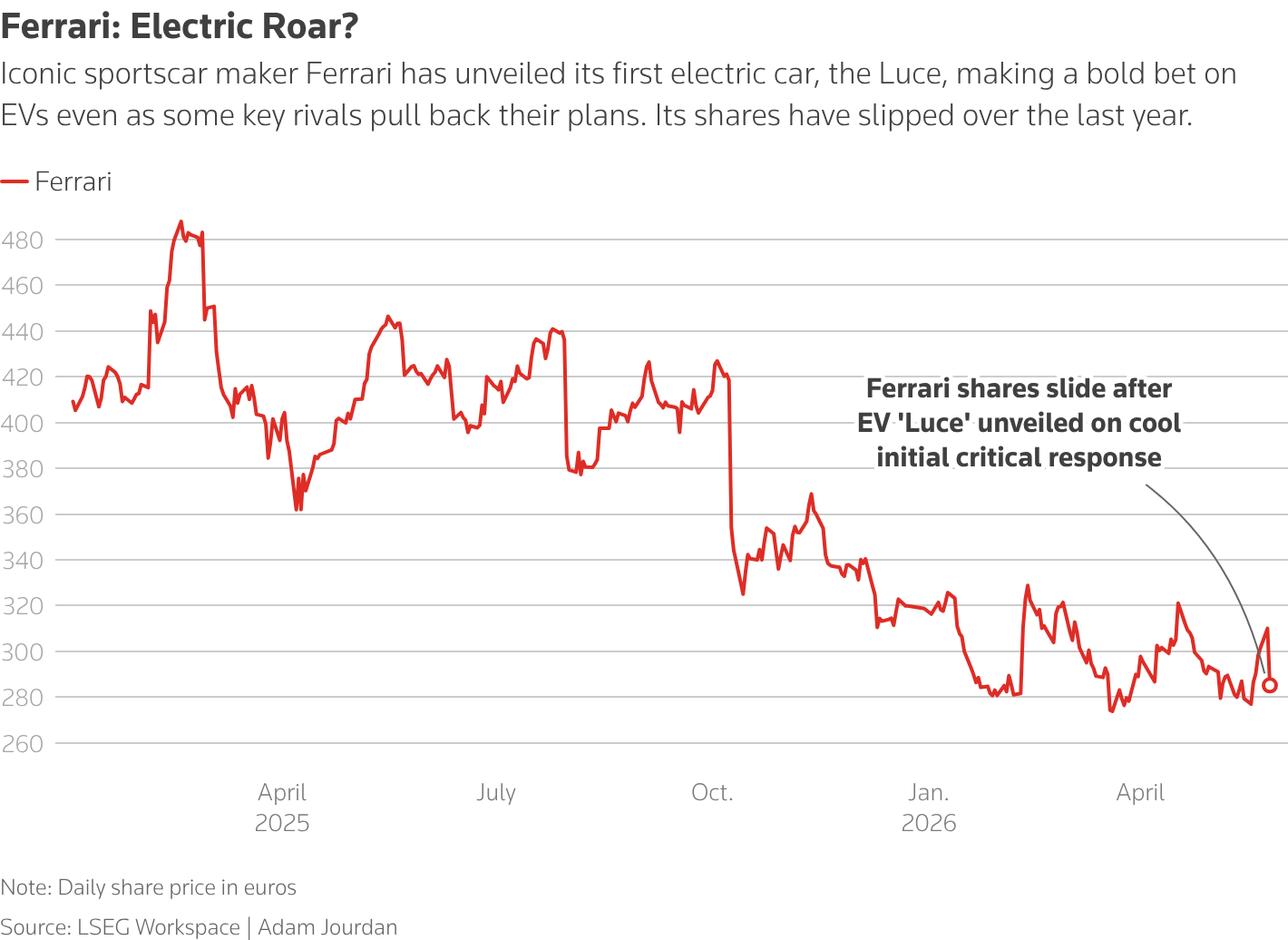
Taken together, the Ferrari Luce backlash is not simply a criticism of aesthetics but rather a reflection of market concern about Ferrari’s ability to sustain its valuation through a period of identity transition. The reported drop in Ferrari’s share price following the unveiling of the Luce goes beyond short-term volatility and points to a broader uncertainty about whether the brand’s identity still holds under this new era of electrification. Ferrari has always traded on scarcity and cultural desirability as much as engineering performance. When that perception weakens — even temporarily — it translates directly into investor hesitation. The Luce may represent technological progression — but as market reactions suggest — that progress without the continuity of consumer desire introduces an erosion of belief in what Ferrari stands for.
Read More: BYD Vs Tesla: China’s EV Market Takes On Global Leadership
For more on the latest in luxury cars and automotive reads, click here.
The post The Ferrari Luce Triggers an Identity Crisis appeared first on LUXUO.