The biggest hurdle to a SpaceX merger with Tesla isn’t Elon Musk. It’s Tesla’s shareholders
Morgan Chittum here. What do Elon Musk, a $3.5 trillion company and cat herding have in common?
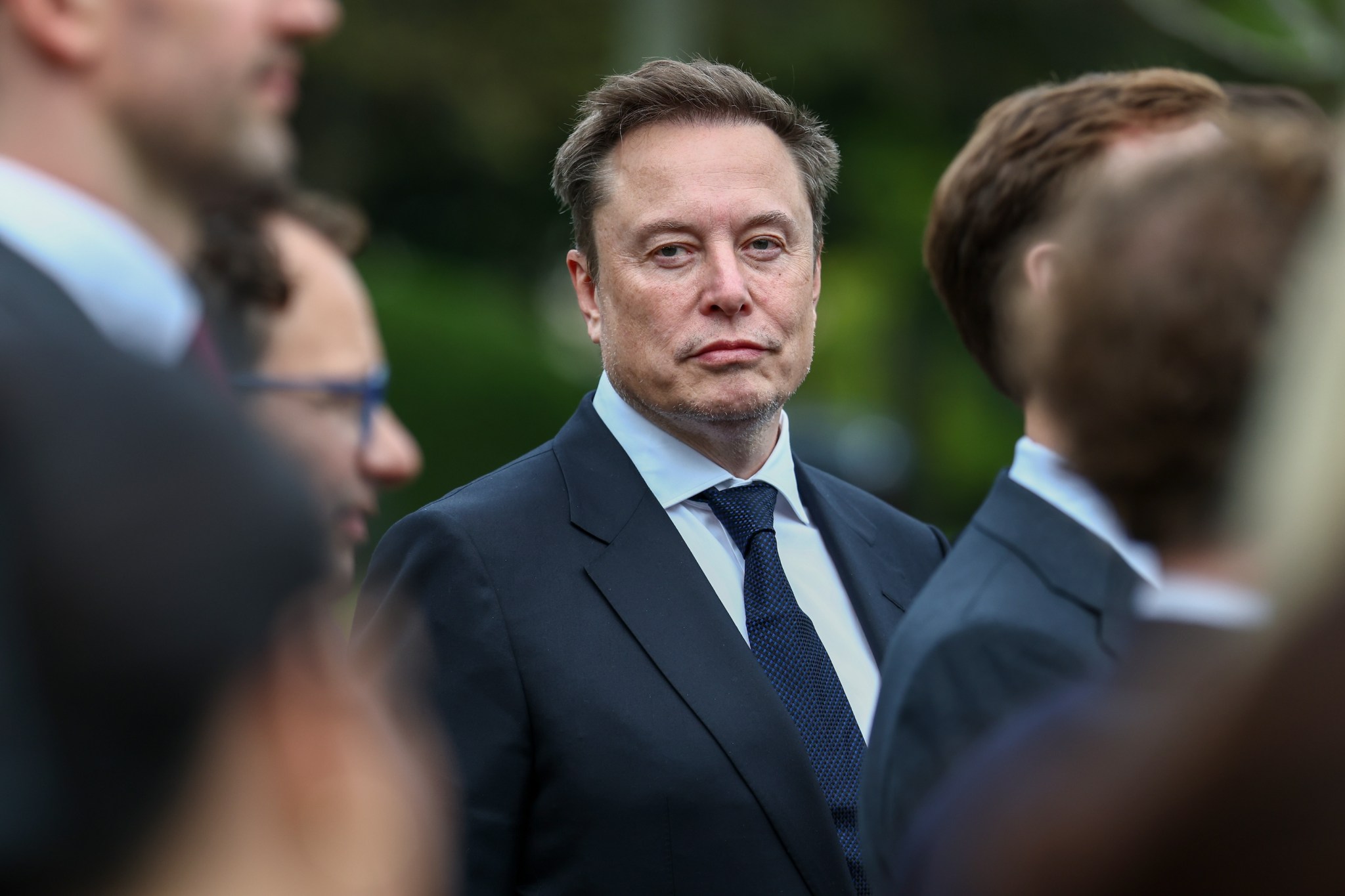
Corporate governance experts and portfolio managers tell me they’re a part of what’s next for a potential SpaceX-Tesla merger, which Musk himself backed during the company’s earnings call late Tuesday, saying the deal has “a lot of merit.”
SpaceX delivered a blowout quarter and its first profit as a public company earlier this week. But Musk, the CEO of both SpaceX and Tesla, gave Wall Street something else to digest: Independent directors at the companies have formed special committees to explore merging the two. The deal, at Wednesday’s market value, would create a roughly $3.5 trillion behemoth and mark the largest corporate tie-up in history.
Getting there, however, is not Musk’s decision alone. His massive stake in SpaceX and Tesla makes him, in his own words, a “conflicted party,” preventing him from being on either committee that are evaluating the deal. “It’s an odd kabuki dance where two groups of people are talking and I can’t be in the conversation,” Musk said. “This is definitely the kind of question where I feel like I’m tap dancing through a minefield.”
Another hurdle: the shareholder vote to approve the merger. Musk controls about 85% of SpaceX’s voting power, compared with roughly 20% at Tesla. In order for the deal to move forward on the automaker’s side, Musk said it would require support from holders of the majority of all outstanding shares—not just a majority of the shares voted—a threshold he described as “quite a high hurdle.” Shares not voted would, in turn, have the same effect as votes against the merger. Rational Equity Armor Fund’s Luke Rahbari compared the process to “herding cats,” adding that “it’s going to take some time and money.”
Winning over Tesla shareholders would also depend on the valuation and any premium offered, according to Nejat Seyhun, a finance professor at the University of Michigan Ross School of Business. “At a zero premium, probably there would be some resistance, but at 20%, 30% or 40% premium I don’t think there would be any,” he told Fortune. Tesla announced quarterly earnings late Wednesday, beating on the top and bottom line. Revenue fell from a year earlier, weighed down by some weakness in its core automotive business.
Both Rahbari and Seyhun expect the merger to happen eventually and believe it would benefit both companies. The potential payoff is greater efficiency. Combining SpaceX and Tesla could allow them to pool their engineers, technology and research budgets, eliminating overlapping spending, especially as both push further into artificial intelligence. “The lines are getting kind of muddled already,” Rahbari said, pointing to shared tech and data. One connection: Tesla already uses SpaceX’s Starlink at some of the company’s Supercharger stations. That’s the kind of partnership that Rahbari describes as already “beneficial for both companies.”
However, Musk has cautioned investors against treating a merger as inevitable. “Some people out there assume that a SpaceX and Tesla merger is a certainty, and I think that would be overstating it,” he told analysts on the earnings call. For now, investors seem optimistic about the merger’s prospects. SpaceX shares jumped nearly 8% on Wednesday, their best single-session performance since August. Tesla gained 3.4%.
See you tomorrow,
Morgan Chittum
X: @morgan_chittum
Email: morgan.chittum@fortune.com
Submit a deal for the Term Sheet newsletter here.
Joey Abrams curated the deals section of today’s newsletter.
This story was originally featured on Fortune.com