


The BBC’s bulletin cuts show how crowded sports broadcasting has become
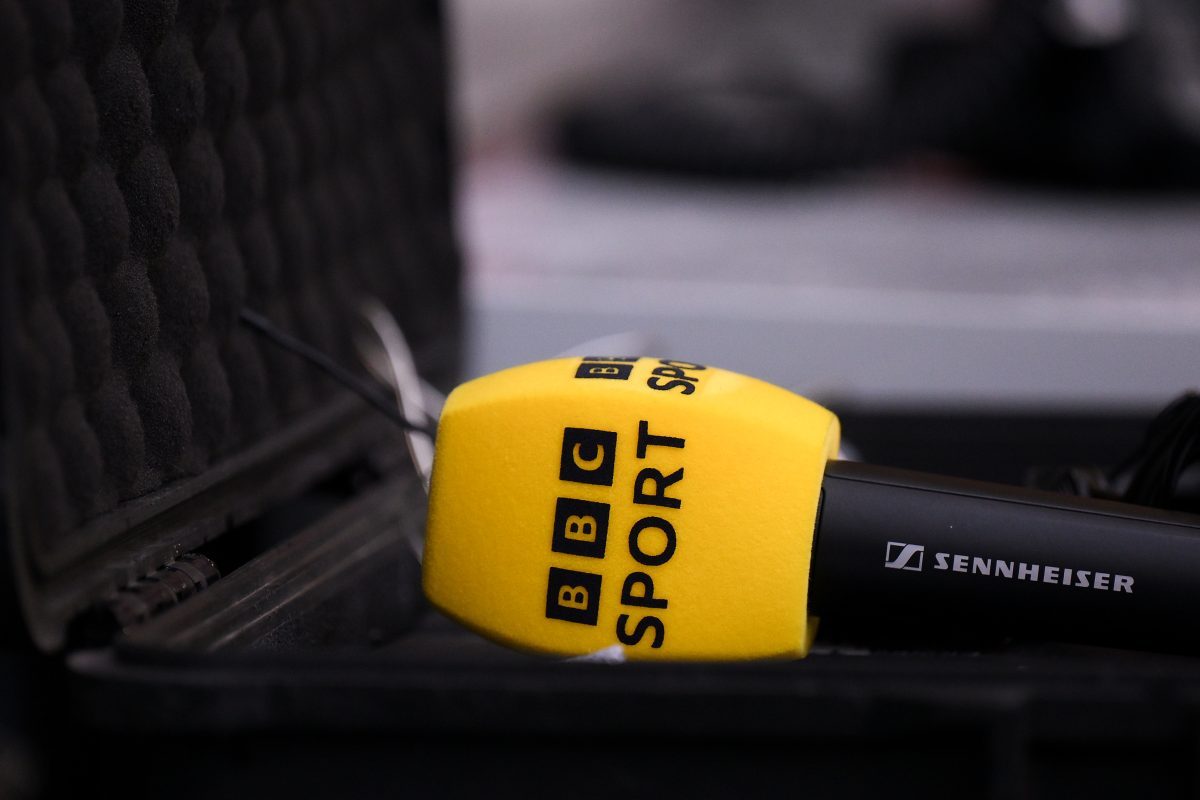
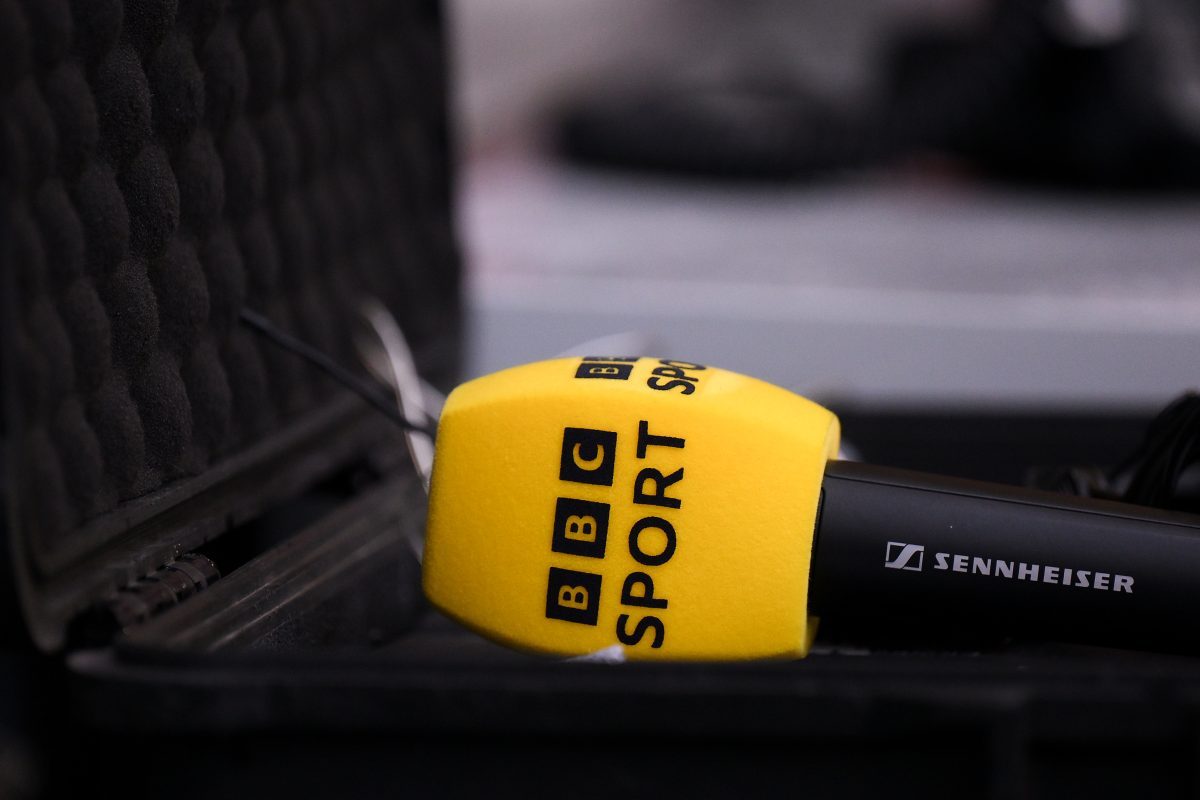
The BBC’s decision to drop lunchtime and overnight sports bulletins from its news channel has rightly had a few journalists loosening their collars. Savings must be found, but will people miss the content? It really reflects how crowded the race for sports audiences has become. Broadcasters used to be the thoroughbreds, with competitors left in their dust, but the gates have opened and half the runners no longer need a television commission.
Do people still watch sport bulletins? Anyone who follows football transfers spends more time on Fabrizio Romano’s social media channels than most of their relatives. And football fans will happily spend an hour listening to someone who knows their club down to the physio’s second cousin twice removed. Getting them to wait until lunchtime for an update, however, feels positively archaic when they have already spent the morning arguing about it on X.
Itchy trigger finger
Live rights are still a formidable advantage. Broadcasters can pull millions of eyeballs onto a TV screen at the same time, with the scale and production expertise that blow independent channels out of the water. But the BBC are also bound to reach beyond the most zealous of fans. A YouTube channel has more editorial freedom and can home in on a niche with much less red tape than a mainstream broadcaster.
The golden question comes when that audience reaches for the remote once the game has finished. A scheduled bulletin offered convenience when catching up, in the same way post-match analysis could inherit the audience before it. Both now face viewers with too many options. The match still gives broadcasters a head start, but a remote can take you to another platform at the touch of a button or with a few dictated keywords.
And that creates an awkward imbalance for commercial broadcasters who carry the cost of showing the match, while someone else can build a following from discussing it. The rights still hold a value, but relying on them to carry a dated studio show can become expensive.
Branded YouTube shows like Betway’s ‘Settle It’ show how much there is to work with between games. Viewers follow talent and come back for their personality as much as the football, which gives sponsors a regular spot in fans’ lives without needing to buy broadcasting rights.
BBC change?
Broadcasters have every chance of building their own relationships; the BBC’s growing venture into YouTube is testament to that. But commissioning something for YouTube requires a willingness to let the audience have a bigger say. Taking a television format online with a younger presenter papers over some gaping chasms.
In television, a development team might hand over a format and move on once it is commissioned. Online, we recommend development producers stay much closer throughout the series.
A throwaway conversation might become the reason viewers return, while the segment everyone loved in the pitch turns out to be where they leave. There’s little sense in keeping it for another fifteen episodes just because it looked good in the deck.
More of the money around live rights should go into teams that can keep doing that work throughout a season. Broadcasters have paid dearly to bring everyone together and so they should have a decent chance of being the place those people choose to return to, even when there’s no match to show.
Eddie Gold, CEO and founder of The Gold Studios