‘Super Intelligence’ Fraud Ring Impersonated CEOs And Lawyers To Steal $129 Million, Feds Say
‘Super Intelligence’ Fraud Ring Impersonated CEOs And Lawyers To Steal $129 Million, Feds Say
Federal prosecutors in Manhattan unsealed an indictment Thursday charging three foreign nationals with using what they call “super intelligence” to mimic the voices and images of corporate chief executives and big-firm lawyers, and so talk employees at companies around the world into wiring about $129 million, according to the Justice Department.
Jacob Soall, 41, of Marbella, Spain, and the United Kingdom, was arrested in Spain on June 17. Sharon Hazan, 54, of Israel, was arrested in Spain on Aug. 5, and Guy Sheetrit, 42, of Israel and the United Arab Emirates, was arrested in the United Kingdom on Sept. 7. Extradition requests for all three are pending. The release also lists aliases: Soall as “Seba Clarke” and “Rocky Balboa,” Hazan as “Superman Cash,” “Impossible Mission,” “Fat Boy” and “Ron.”
The scheme ran from 2024 to 2026, prosecutors say. The crew allegedly opened with a call to an employee in which a faked voice of the company’s CEO asked for help on a confidential financial transaction, then steered the employee to “lawyers at large international law firms” who were supposedly working on the deal. Those lawyers were fakes too. One of them would finally tell the employee to wire a large sum to an account the conspirators controlled.
Three foreign nationals arrested and charged with scheme to use super intelligence to defraud companies of $129 million: “SI technology offers tremendous potential. But the public should recognize that there are some who seek to use this emerging technology to pursue criminal…
— US Attorney SDNY (@SDNYnews) November 5, 2026
The release puts the haul at more than $129 million from “Victim Companies all over the United States and the world,” and lists six examples totaling about $31.9 million: $11.6 million from a U.K. financial technology company, $5.2 million from a Florida pet food company, $4.8 million from a Missouri hospital system, $4.6 million from a Massachusetts mutual fund company, $3.0 million from a California hospital system and $2.7 million from a Rhode Island bank.
The money did not stay where it landed. Prosecutors say the victims’ wires went to accounts in the United States, Spain, Portugal, Greece, the United Arab Emirates, Singapore, Austria, Slovakia and China, and the conspirators then converted the cash to cryptocurrency to hide its source and split it among themselves.
Soall, according to the release, mainly played the British lawyer, working from a handwritten script titled “Lawyer Call” that included language to convince victims not to discuss the calls with colleagues. Hazan and Sheetrit are accused of laundering the proceeds. Hazan allegedly boasted that he had been laundering money since 1994, had laundered over $400 million in the past three years and was “number one all over the world” among professional launderers. Hazan was convicted in the Southern District of New York of conspiracy to commit bank fraud in 2008.
Each man faces seven counts: conspiracy to commit wire fraud and wire fraud (20 years each), two counts of aggravated identity theft (two years each), and money laundering conspiracy and two money laundering counts (20 years each). The release notes that Congress sets those maximums and a judge decides any sentence. The charges are allegations, and the defendants are presumed innocent unless proven guilty.
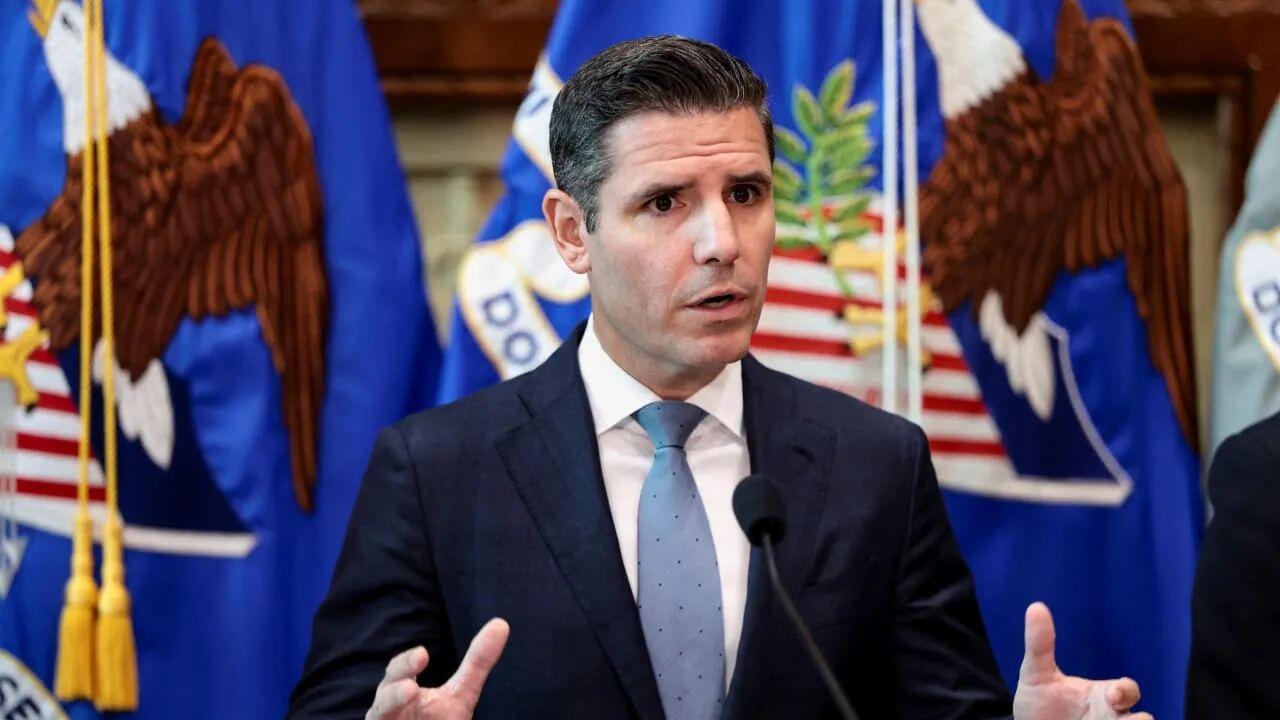
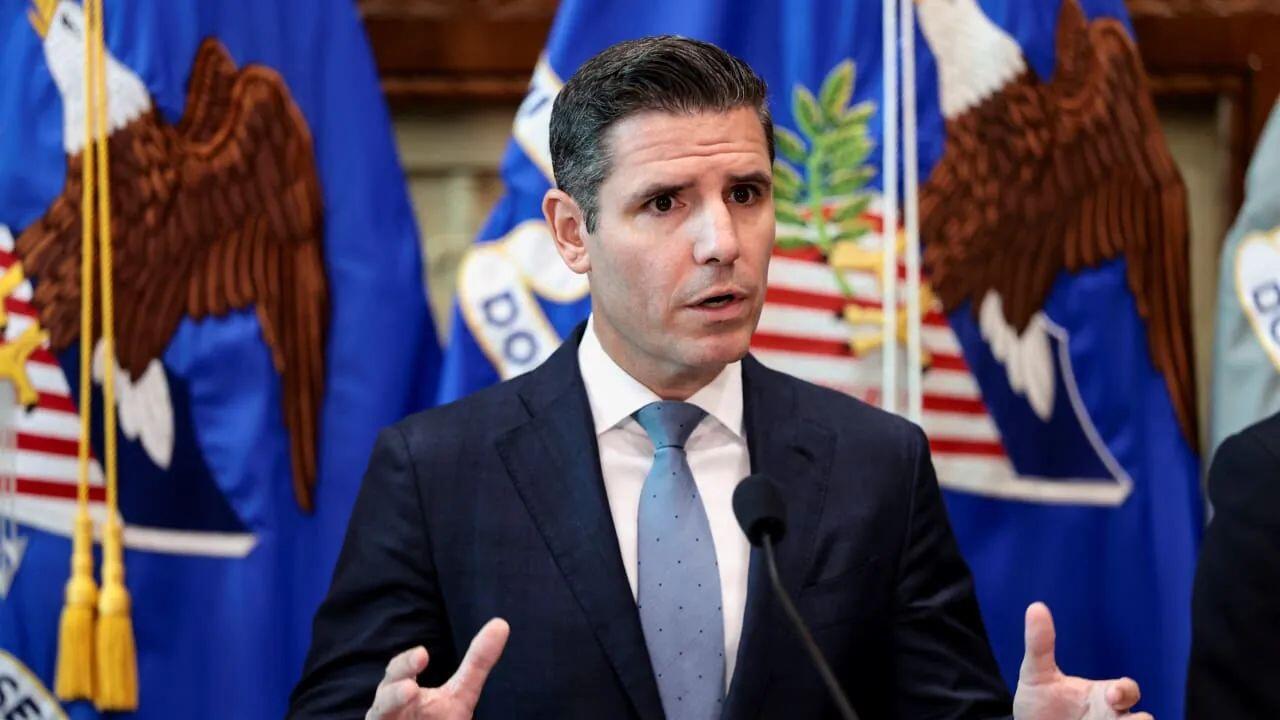
U.S. Attorney Jamie McDonald said the technology “offers tremendous potential,” but that “the public should recognize that there are some who seek to use this emerging technology to pursue criminal goals,” and urged the business community to “consider how to best protect themselves from the emerging threat of SI-enabled crime.” FBI Assistant Director James Barnacle Jr. said criminals “continue to weaponize emerging technologies.” The case is with the office’s Complex Frauds and Cybercrime Unit, and prosecutors thanked Spain’s Policía Nacional and the U.K.’s National Crime Agency for the arrests.
The release does not say how the voices and images were generated, how any victim company’s bank flagged the transfers, or how much of the $129 million has been recovered. It asks anyone who believes they were a victim to use the FBI’s tips page.