


Student Housing Is Becoming the Test Lab for Multifamily Tech
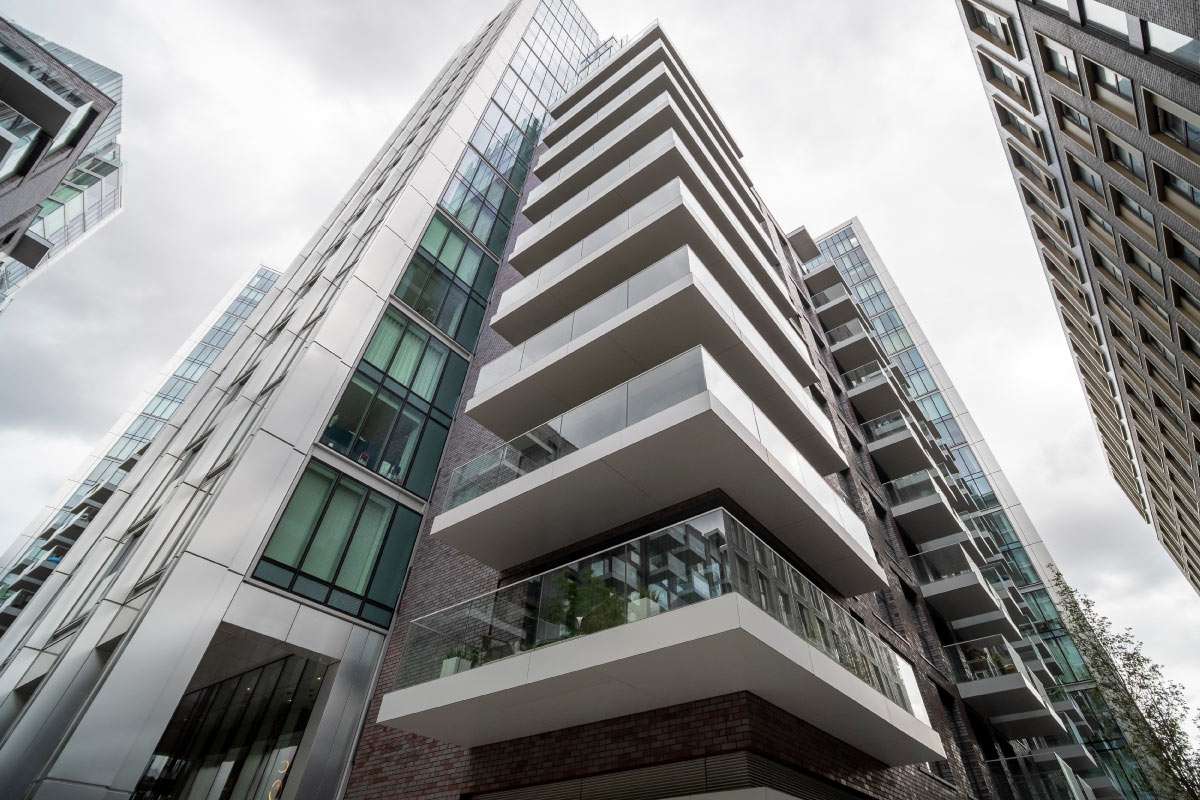
On campus and off campus student housing has transformed dramatically over the past decade. Properties are no longer utilitarian dorms. They’re lifestyle destinations with amenities designed to compete for residents. Lounges, co-working spaces, fitness centers, and social programming have become baseline expectations. As we covered in a previous article on the new generation of student housing, operators are raising the bar on what it means to live near campus. But the sophistication goes beyond physical amenities. Student housing is becoming the testing ground for technology that will eventually reshape how all multifamily properties operate.
This isn’t accidental. Student housing operators need to attract a specific demographic that has very particular expectations about how technology should work. Those expectations are shaped by the devices and apps students have used their entire lives. Tyler Webb, Mobile Ambassador at Allegion, noted the generational shift bluntly: “The first iPhone came out in 2008, so the majority of these residents have never lived in a world without an iPhone.” These residents don’t think about smartphones as optional add-ons to their living experience. They think about smartphones as the primary interface for everything. When they graduate and move into conventional apartments, they bring those expectations with them.

Webb explained what those expectations look like in practice: “By the time students graduate and move into these apartments, they’re expecting connected, smart-home style features like being able to monitor their air conditioning from their phone, using their app to communicate and pay rent, and tapping their phone to get into their space.” Student housing operators realized early that if they didn’t provide these features, they would lose residents to competitors who did. That competitive pressure created a proving ground. Student housing became the market segment where mobile-first access control, app-based rent payment, and smart building features got tested at scale before rolling out to broader multifamily.
But building these systems isn’t just about pleasing residents. Operators have to actually want to use them, which means the technology has to make their jobs easier, not harder. Webb emphasized this balance: “Proptech is a two-sided coin, it needs to enhance the student living experience while making the building easier to manage for operators. Both audiences are critical for success.” This requirement filters out a lot of proptech that sounds good in pitch decks but creates friction in actual operations. If a mobile access system requires property managers to do extra work, it won’t get adopted, no matter how much residents like it. The successful tools are the ones that solve real problems for both sides.
Student housing operators discovered that by implementing a Campus-to-Community Student Living solution, powered by mobile access and app-based building management, they can leverage data to transform how their properties operate. Webb described one specific use case: “A great feature for operators is audit trails, especially when looking at common spaces. Equipped with this data, property managers have insight into resident usage. If the space isn’t being used, there could be an opportunity to repurpose it or convert the space into something more desirable. For example, we’re seeing more mixed-use spaces converted into work areas or quiet ‘phone booth’ stations where students can take virtual interviews or get work done.” This data-driven approach to space management is becoming standard in student housing. Operators can see exactly how residents use amenities and adjust accordingly. That capability is now flowing into other property types.
Mobile access control is rapidly becoming the default rather than the exception. Younger residents simply don’t want to carry key cards or fobs. They want to unlock doors the same way they unlock their phones. Student housing responded by making mobile credentials standard. That shift has secondary benefits that operators didn’t initially anticipate. Self-guided tours emerged as one example. Webb explained: “Self-guided tours have become more of an expectation from potential residents. They may not be able to get to tour the property until 8pm and want the flexibility to tour on their own time. Instead of paying staff to stay that late for a potential resident, managers can give them a temporary mobile credential to tour the spaces at their leisure.” What started as a resident convenience feature became an operational cost savings tool. Potential renters can tour properties on their schedule without staff support.
The innovations emerging from student housing won’t stay confined to that segment. Other multifamily property types are adopting the same approaches. Senior housing operators are beginning to explore mobile access and connected building features. Webb noted the counterintuitive trend: “People often associate mobile technology with younger generations, but I anticipate we’ll see more adoption in senior communities in the coming years. More older adults are getting tech savvy and are already taking advantage of life safety features like fall detection, heart rate monitoring, and 24/7 emergency response.” Senior housing presents a different use case than student housing, but the underlying infrastructure is similar. Residents want to access their space from their phones. Operators want data to improve safety and service delivery. The technology stack built in student housing provides the foundation.
Student housing operators, especially those that are off campus, are competing aggressively for residents with specific technology expectations. As a result, they became early adopters of mobile access, smart building features, and data-driven management. Those innovations proved their value in operations and resident satisfaction. Now they’re spreading to other property types.
The post Student Housing Is Becoming the Test Lab for Multifamily Tech appeared first on Propmodo.