Singaporean politicians receive some of the world’s best paycheques. So why should they earn more?
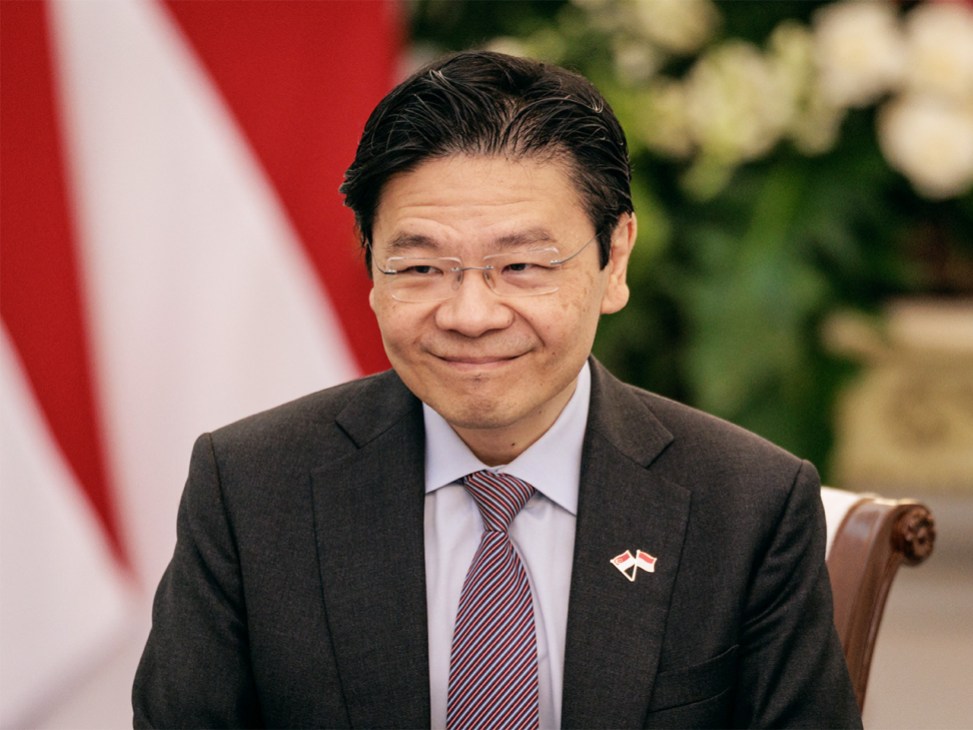
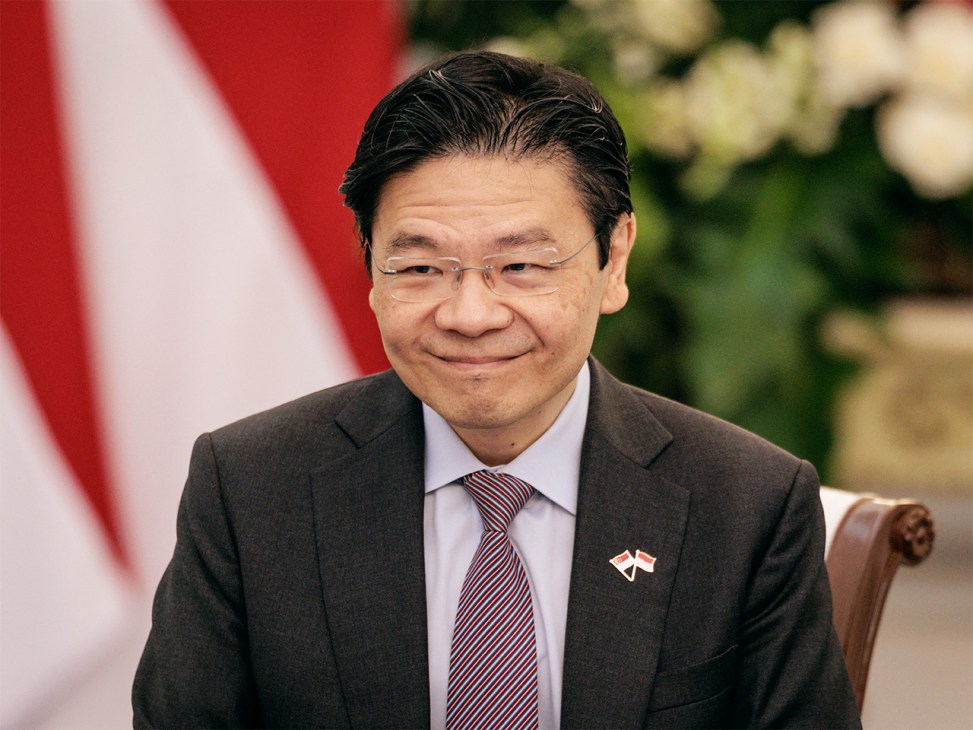
Singapore’s ministers are already among the world’s highest-paid officeholders but their salaries have just been increased even further. Lawrence Wong’s annual pay has risen by 64 per cent to a staggering S$3.6m (€2.51m). By comparison, Donald Trump makes $400,000 (€356,000), while Andy Burnham earns £174,039 (€206,590). Though Wong explained that ministerial salaries had not been revised for 15 years and pledged to donate his pay difference to charity for the next half decade, the timing of the news unsurprisingly drew a spate of negative responses.
Singapore’s retrenchments have reached the highest level since the coronavirus pandemic and many households are contending with cost-of-living concerns. But beneath all the dissent, is there an argument for political officeholders to be accorded bulky paycheques? Will higher pay produce better leaders to steady the ship in volatile times?
Wong certainly thinks so. “Is good government important?” he asked the crowd at the Forbes Global CEO Conference in Singapore earlier this month. If the answer was yes, he said, ministerial salaries would need to be “broadly competitive” with private-sector roles to reduce “the burden, the financial loss and the hurdle of entering politics”. Before last year’s general election, Wong approached several senior permanent secretaries and private-sector CEOs to join the fray but everyone turned him down.
While many have fixated on the eye-watering salaries, it’s also worth considering the hidden personal costs of serving your nation. Heavier is the crown in a social-media age in which public scrutiny has only intensified, from nosy intrusions into your family life to judgements of your every move. Any misstep will likely be weaponised. In July then-acting minister in charge of Muslim affairs Faishal Ibrahim resigned after a “lapse in judgement” over messages to a woman online.
It might seem counterintuitive but paying well can play a role in upholding integrity. Corruption remains a rife, deep-seated issue in Southeast Asia, which only reinforces the need for clean, high wages in the region. Poorly paid politicians make a cesspool for corruption to fester. And the Singapore government has appeared to walk the talk when it comes to punishing underhanded behaviour. In 2024 the administration charged former minister Subramaniam Iswaran with accepting more than S$403,000 (€280,500) worth of gifts – such as tickets to West End musicals and English Premier League football matches – that he could have afforded on his own dime.
Money is, of course, no panacea for producing exceptional political leaders. But we all know that finding an integrous individual with a genuine sense of calling is a tall order, especially in this golden age of performative politics. Everyone wants leaders to be ambitious enough to run for office but humble enough to downplay their proclivities for power; decisive but open to feedback and criticism; and charismatic in global arenas while still approachable to the man on the street. If a tidy sum of money can cushion the cost of public leadership, surely the dividends will outweigh the price. No one can afford to be penny-wise and pound-foolish – not when an entire nation’s future is at stake.
The post Singaporean politicians receive some of the world’s best paycheques. So why should they earn more? appeared first on Monocle.