Reg NMS Reform Debate Sharpens at House Market Structure Hearing
A recent House hearing on US equity market structure exposed growing divide over whether long-standing SEC trading rules continue to protect investors or are increasingly out of step with modern markets.
At a May 20 hearing before the House Financial Services Subcommittee on Capital Markets, lawmakers, exchanges, brokers, academics, and trading firms debated the future of Regulation NMS, the SEC framework governing how stock trades are routed and executed. Much of the discussion centered on Rule 611, the “order protection rule” (OPR), which requires brokers to route trades to the venue displaying the best quoted price.
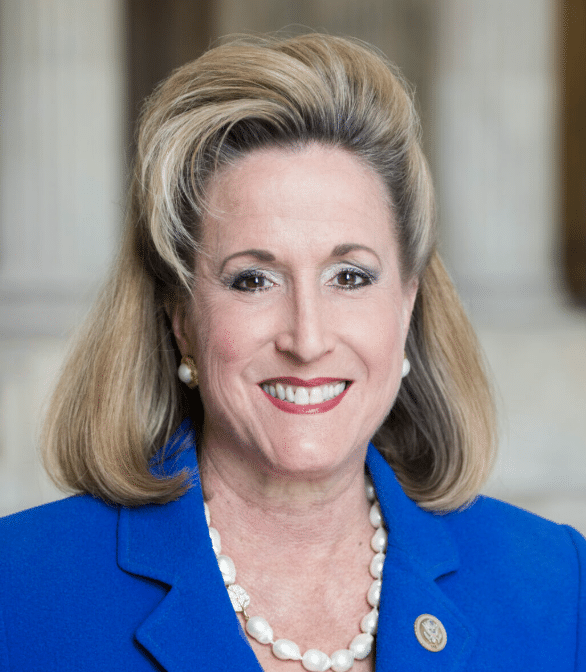
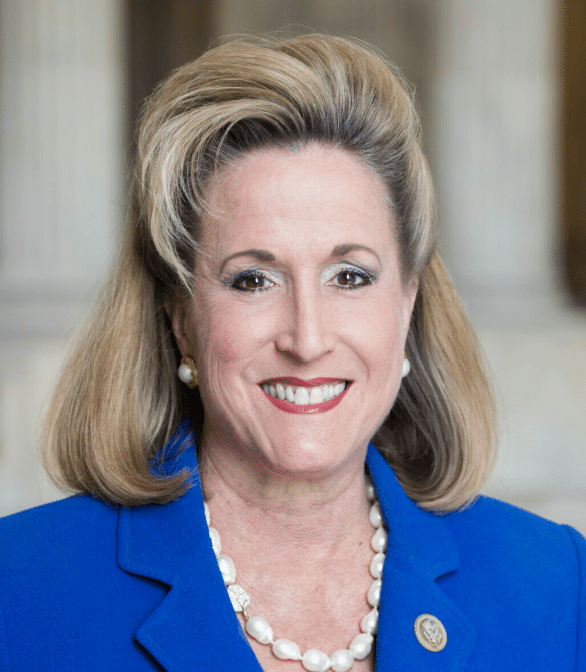
Chairwoman Ann Wagner said the surge in US equity trading volumes, which surpassed $1 trillion in a single day earlier this year, highlighted both the strength of US markets and the need to revisit rules written nearly two decades ago.
“Twenty years in, it is time to consider how modernizing equity market structure requires updating Reg NMS,” Wagner said, pointing to concerns that Rule 611 may have allowed regulators to “supplant” market-driven decision making.
Critics of the rule argued it has contributed to excessive fragmentation by forcing brokers and market makers to connect to all 17 registered US exchanges, including venues with minimal market share.

Matt Billings, VP of Brokerage and President of Robinhood Financial & Robinhood Securities, said eliminating Rule 611 could lower infrastructure and market data costs across the industry.
“There are over 10 exchanges out there that have less than 1% market share,” Billings said. “If we were to remove [Rule 611] and there was going to be some consolidation, that is less connectivity that people have to pay for.”
Billings argued existing best-execution obligations under FINRA rules would continue to protect retail investors even without the trade-through rule.
Others warned that removing Rule 611 could weaken confidence in US equity markets and undermine the National Best Bid and Offer (NBBO).

Joseph Saluzzi, co-founder and co-head of equity trading of Themis Trading, defended the current quote protection framework and cautioned against dismantling core market safeguards.
“The sanctity of the NBBO is critical for this market to function. If you start to weaken that, you will weaken confidence. You will weaken trust,” he said.
Rather than eliminating Rule 611 entirely, Saluzzi proposed narrowing quote protections for exchanges with less than 2% market share and revising SIP revenue allocation formulas.
Academic witnesses were more supportive of repeal.
Robert Battalio, a finance professor at the University of Notre Dame, argued that competitive and reputational incentives already discourage economically meaningful trade-throughs.
“A careful analysis of the data, I believe, would reveal that Rule 611 is not needed,” Battalio told lawmakers.
Meanwhile, Nasdaq took a more measured stance. Kevin Kennedy, Executive Vice President and Head of North American Market Services, Nasdaq, said any move to repeal Rule 611 would need to address other interconnected Reg NMS provisions simultaneously.
“611 has to go down with 610 if it moves,” Kennedy said, warning against piecemeal reforms that could disrupt market confidence.
The hearing also highlighted rising tensions around tokenized securities and blockchain-based trading models.

Ranking Member Brad Sherman warned that some crypto firms were seeking exemptions from Reg NMS requirements under the banner of innovation.
“Their goal here is to liberate themselves from all of the rules that protect investors,” Sherman said.
Saluzzi echoed those concerns, warning against allowing tokenized versions of public equities to trade outside existing market structure protections.
Meanwhile, Matt MacKenzie, Head of US Advocacy and Regulatory Affairs, Optiver, noted that European regulators have repeatedly rejected adopting a trade-through regime similar to Rule 611.
By the close of the hearing, the debate over OPR reforms and innovation exemptions for equity tokenization underscored a broader divide emerging across market structure policy.
Supporters of reform argued for modernization, increased competition, and greater flexibility for new trading models, while critics warned against weakening transparency, price discovery, and investor protections embedded in the current framework.

Khody Azmoon, CEO and co-founder of BLOX Markets, said the discussion reflected broader industry concerns around balancing innovation with market stability.
“The discussion reinforced broader industry feedback we have received that regulators should proceed carefully, as significant changes to long-standing market safeguards could not only face legal scrutiny, but also risk unintended consequences that ultimately impact market quality and investor outcomes,” Azmoon said.
Despite disagreement over the path forward, witnesses broadly agreed that any overhaul of Reg NMS would need to be comprehensive and carefully sequenced to avoid disrupting market stability.