Oxford Street pedestrianisation is a win for London
The pedestrianisation of Oxford Street will create a new a public realm where it is anticipated that people will enjoy the new space, stay longer and spend more, says Andrew Busby
The pedestrianisation of Oxford Street is the most radical project to hit the West End in decades. Almost a kilometre of the nation’s high street, from Orchard Street to Great Portland Street, will be closed to all traffic, including buses and taxis. After years of debate, it happens just in time for the busiest Christmas shopping period.
Retail veteran Peter Ruis highlights the need, pointing out that surrounding streets have stolen much of the footfall from Oxford Street. He told City AM, “Now with the pedestrianisation, I think for all retailers, there’s going to be lots and lots of opportunity to do more innovative things because I think it was just so difficult before, with issues around theft, traffic, and safety”.
The economic theory is simple. Nabeel Khan, chief executive of the Oxford Street Development Corporation (OSDC), told City AM: “By pedestrianising the nation’s high street, we’re going to make it a much more walkable, much more accessible, much greener space that Londoners and visitors are more likely to dwell in, to sit in, to admire the beautiful architecture. And as a result, we know there’s a direct correlation between dwell time and spend with retailers.”
The greening of Oxford Street, with plenty of opportunity for people to sit down and relax are both a large part of the plans. What Khan is describing is a vision of a public realm where it is anticipated that people will enjoy the new space, stay longer and spend more.
More than a shopping street
Here is the thing many people miss: Oxford Street is no longer just a shopping street. Khan points out that there are now more office workers than retail workers along it, a shift driven by the pandemic and the opening of the Elizabeth Line. The OSDC has three million square feet of commercial office space in its pipeline, with more coming forward over the next three to five years. Hence the ambition; in his words: “the ambition around Oxford Street is to turn it from being a primarily retail corridor to being a much more mixed-use experiential destination.”
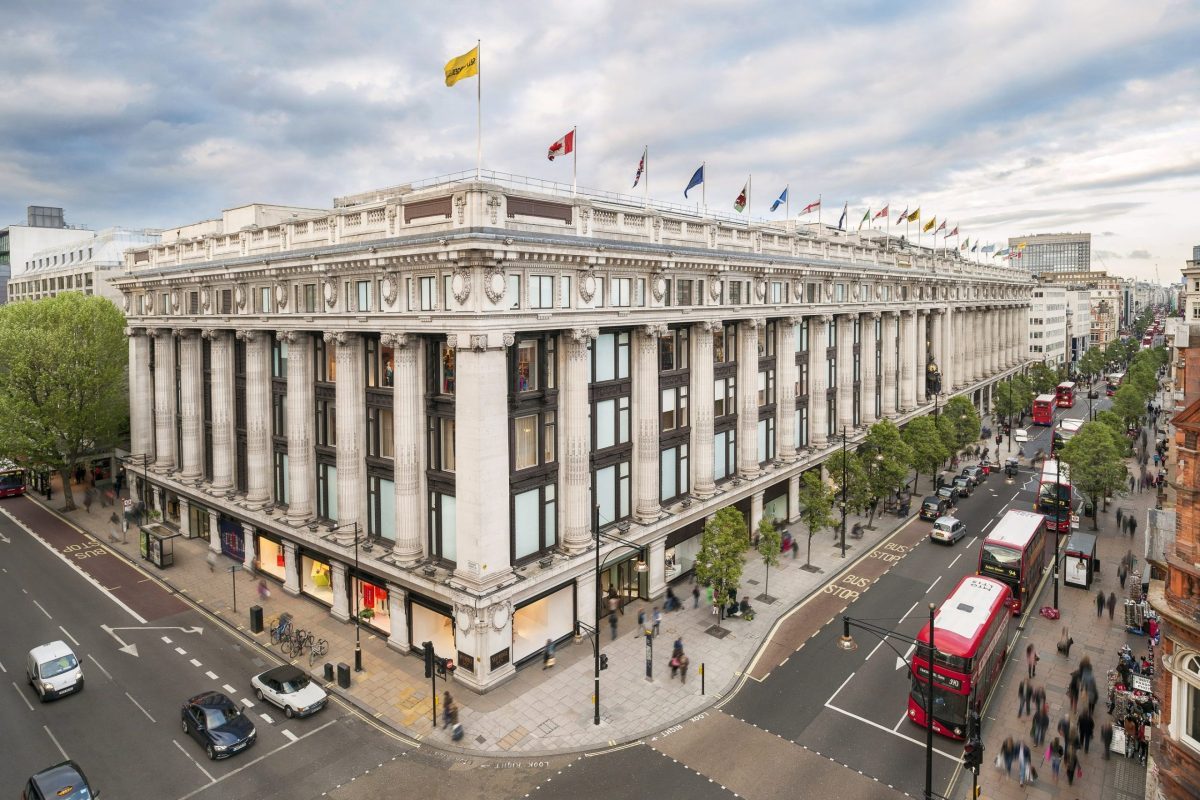
A John Lewis spokesperson, speaking for a business that has traded on the street for over 160 years, said: “We continue to invest in our flagship store, and believe pedestrianisation will create a vibrant, thriving shopping environment enhancing the area’s appeal as a top retail destination.” Other retailers, such as Selfridges are investing too. And a huge new Harry Potter flagship, with a food counter inside, is due to open at the eastern end shortly.
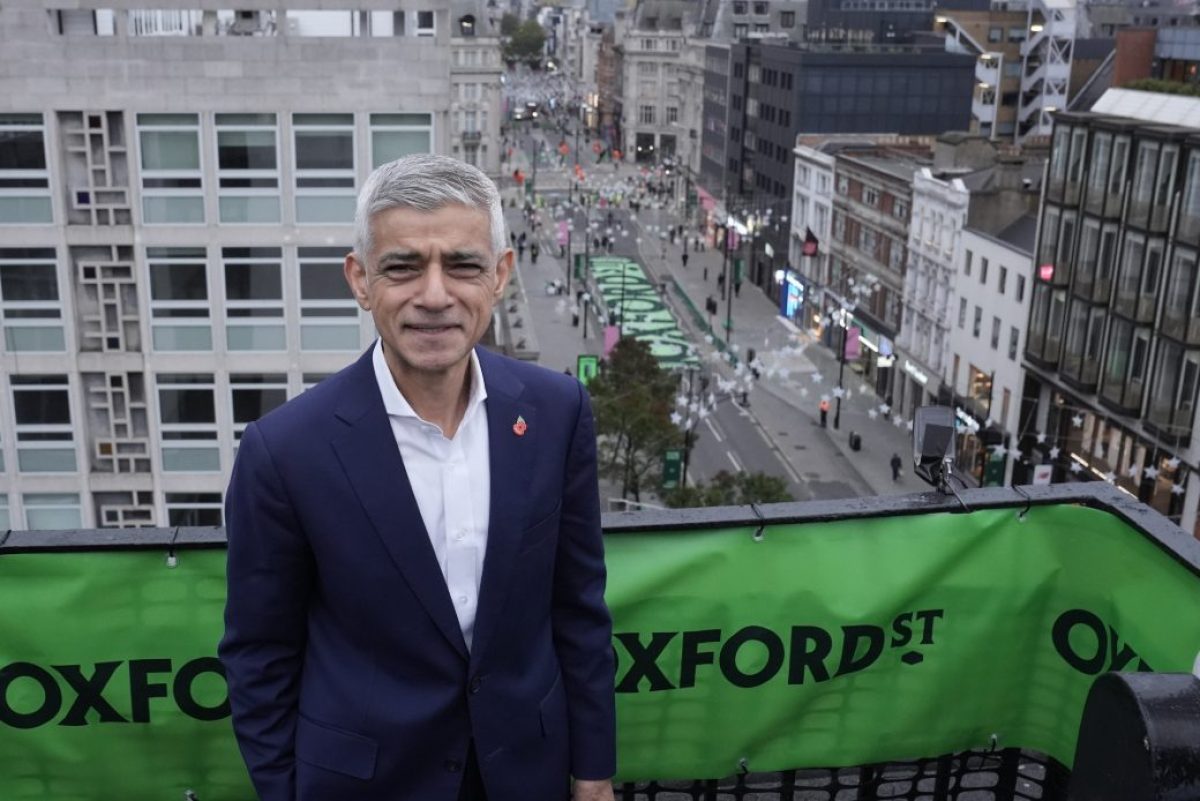
The Mayor of London, Sadiq Khan, sees a wider prize. “Revitalising Oxford Street will help to super-charge regeneration, boosting jobs and economic growth in the capital and beyond,” he said. Ruis makes the same point in plainer terms. “Let the country’s premier shopping street dwindle, he says, and it causes challenges for everyone, because its footfall and innovation filter into the rest of the retail economy”.
None of this means the scheme is without critics. Some local residents are unconvinced, and the obvious worry is what happens when buses, taxis and bikes are diverted onto the roads surrounding Oxford Street. The OSDC acknowledges as much, hearing those concerns is very much part of the scheme. This first phase is deliberately temporary, so that real-time feedback can be gathered from residents, accessibility groups, businesses and workers. Traffic on the nearby roads will be closely monitored, and what is learned will shape the permanent design, with a transitional scheme in place by the end of spring 2027.
Christmas first, construction later
The scheme is being delivered at pace with the first phase involving temporary, event-style safety measures went in at 8pm on Sunday, so traffic can be diverted from today. Construction of the semi-permanent safety measures then runs to the end of November, stops to protect the Christmas Golden Quarter, and restarts in January. From April, the carriageway in front of Selfridges and John Lewis will be raised to create two new public squares, alongside more trees, seating and street furniture. A trial dining area beside the alleyway to St Christopher’s Place will let people bring their lunch and watch street life unfold.
Ruis is realistic. The street will need proper public realm, with cafes and experiences, and it will take a good 24 months for the benefits to be fully felt. “We spend years talking about something and everyone complains,” he says. “But I think in five years’ time no one will be looking back.”
Today, Oxford Street begins to find out.
Andrew Busby is founder of Redline Retail, which helps retail technology companies build visibility, credibility and pipeline.