On the ground, overseas: How the media landscape has shifted for foreign correspondents
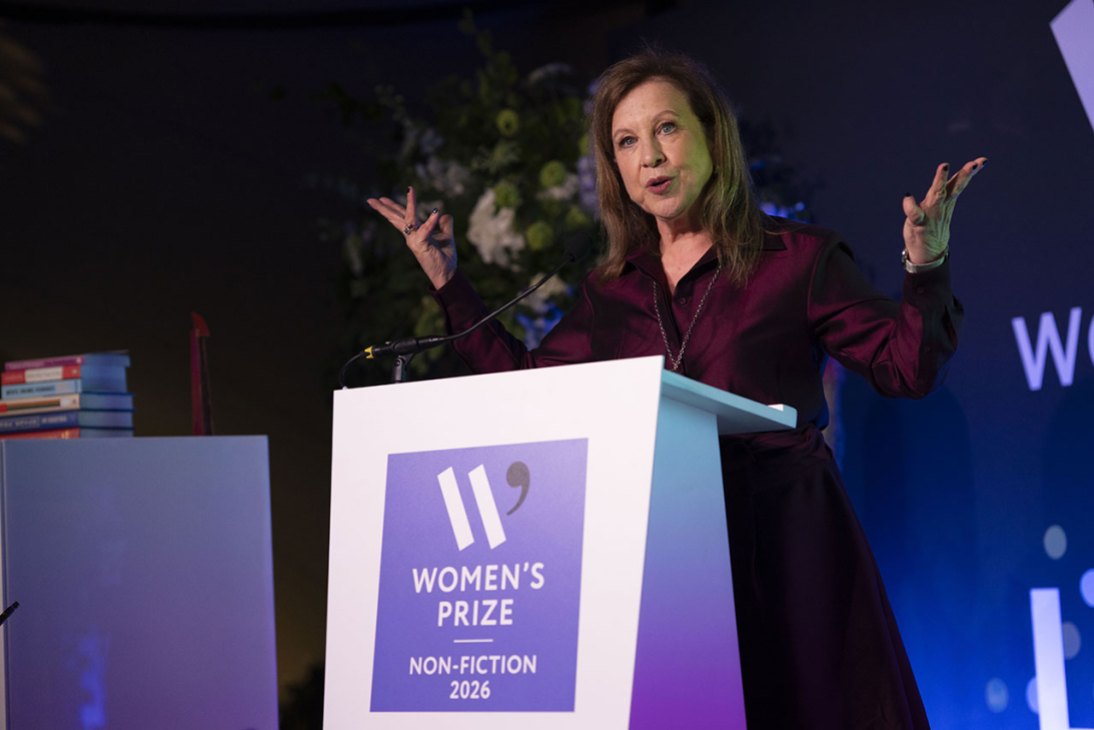
Monocle’s editorial director and chairman, Tyler Brûlé, sits down at Midori House with the BBC’s chief international correspondent – and fellow Canadian – Lyse Doucet. Brûlé asks Doucet about the best era of journalism and how it compares to today’s media. Having reported from Afghanistan in the late 1980s, Doucet also discusses the importance of placing journalists on the ground.

Is there a Lyse Doucet beat?
I’m very privileged to work for the BBC, which, despite the cuts, still has enough resources to play to the strengths of our correspondents. So if [a story is about] Russia, it should go to Steve Rosenberg. He’s our editor there, he’s a fluent Russian speaker and he knows Russia inside out. If something happens in Afghanistan, I would be one of the people considered to go. I’ve been going there since the late 1980s and have lived through a lot of its history. I have been there for pretty much every major war. And, occasionally, I go to places such as Ukraine as well.
We live in such an unpredictable time. Who would have thought that former Syria president Bashar al-Assad’s 54-year-old family dictatorship would have collapsed? Who would have predicted that Viktor Orbán would be kicked out of office after so many years trying to make it possible that he wouldn’t be. Some parts of my deployments are unpredictable. Some parts of them play to my own history within the BBC; places that I’ve been to before. But I also believe in playing to your strengths. It’s really important to get new eyes. So, for example, on recent trips to Iran and Afghanistan, I went with a producer who had never been [to either country] before. And often, when people view things with eyes that are seeing a place for the first time, they will ask questions that we stopped asking long ago. If there are any definitions of journalism, one of them is the questions that we ask and the [other is the] questions that we don’t ask.
There was an era when it was considered important to have local eyes on the ground because they could offer a different perspective. Is being a foreign correspondent still valuable?
Even the phrase, “foreign correspondent”, has a quaint air about it – a bit of nostalgia. In the old days an appointment-to-view television and a newscast with a premier anchor was your only connection to things happening far away. That, of course, was the time before the internet. We need all kinds of eyes with all kinds of questions. I often quote one of our great novelists, the late Robertson Davies. He wrote a book called What’s Bred in the Bone, which says that we are a product of our history and ancestry. No matter how often I go to Afghanistan, no matter how much I learn its language and culture, I will never know as much as an Afghan because it’s bred in the bone for them. One of the greatest strengths of this time of journalism is that there are many, many more journalists who are reporting on their own countries.
Can you identify a golden age of journalism?
I was based in Kabul, Afghanistan, from 1988 to 1989 during the Cold War. It turned out to be the dying days of the Soviet Union and I found myself in one of its harshest winters in decades. That story never left the headlines. I’d get calls from the BBC in London and, remember, there was no internet then. There were only a few telephone lines to the outside world and you felt as though the eyes of the world were literally on Afghanistan. The world’s media rushed there – and that was a time when it was said that 95 per cent of Afghans were listening to the BBC, either in Pashto or Persian. I knew that whatever I reported would go to the top of the bulletin and be heard in capitals around the world – and across Afghanistan. This was a time when people would sit down in their living rooms in front of the TV and watch the nightly news, from Washington to Tokyo. You really felt that it mattered and that people took notice. And you felt that you were making a difference by telling that news.
The post On the ground, overseas: How the media landscape has shifted for foreign correspondents appeared first on Monocle.