


Nike: Shares fall, S&P 100 ejection and Mbappe out
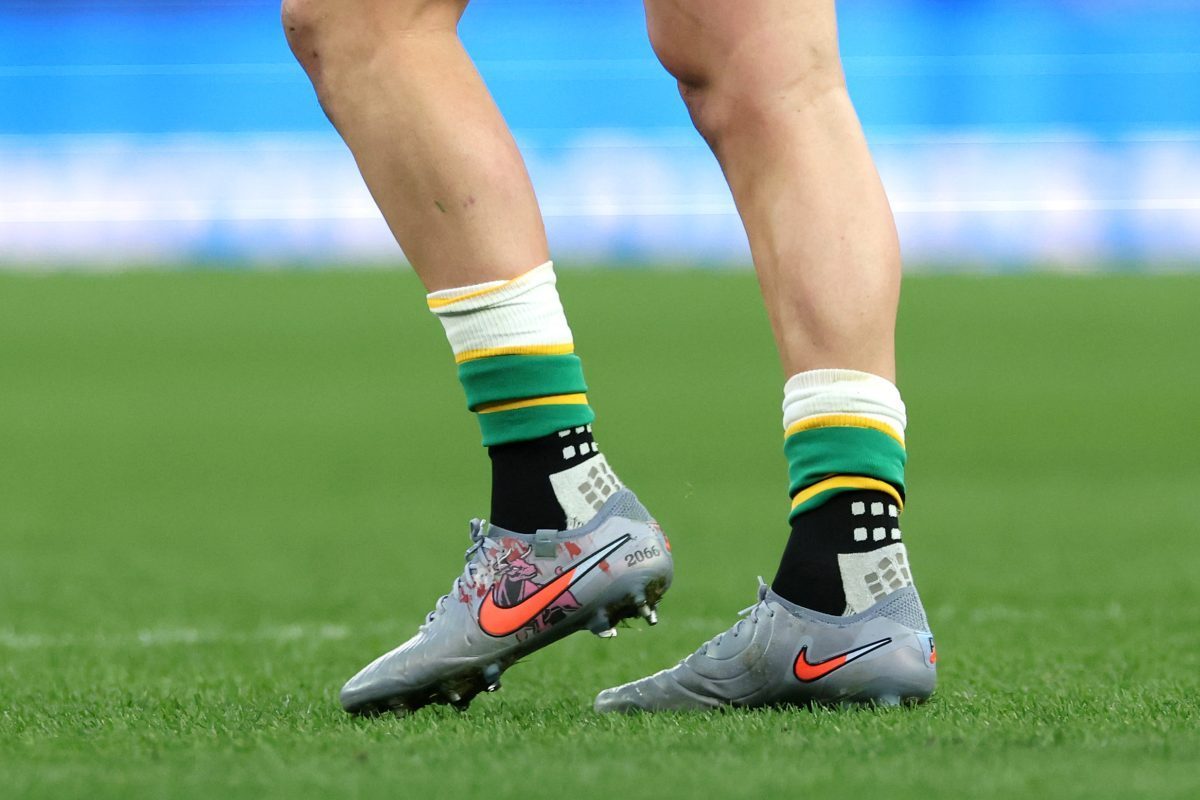
Nike shares continued to fall this week after the sportswear giant warned of a decline in revenue over the coming year.
The American firm, fresh off the back of news that it would be ejected from the S&P 100, adjusted its share price amid a mixed first fiscal quarter.
Its statement comes alongside layoff warnings and a restructuring plan. Net income was down two per cent compared to last year – $712m from $727m – and revenue dropped four per cent to $11.2bn, spearheaded by regression in China, a market which saw a comparative decline of 26 per cent.
It paints a bleak picture for the stalwart apparel brand, having seen its share price drop 76 per cent since a 2021 peak. That slow decline was compounded by Kylian Mbappe’s decision earlier this year to end a 20-year association with the “swoosh” firm, instead turning to challenger brand On in a deal that will see the France and Real Madrid star work with Thierry Henry and receive equity.
The firm has looked to stem the downward trend with the appointment of LVMH’s Alexandre Arnault; a hire that Nike executive chair Mark Parker said was made due to the 34-year-old’s “reputation for helping iconic global brands evolve, innovate and grow in a changing, complex marketplace”.
Nike trending downward
Nike may need all the help it can get, with new Asian players and slightly older European challengers taking an increasing cut of the market, despite Nike’s $52bn market cap being twice the size of Adidas’s. The latter’s shares are up over one per cent today, but are down 46 per cent over the last five years.
“Despite that progress, our Nike performance business is not yet large enough to offset the pressure we’re seeing in Nike Sportswear, Jordan Brand, and Greater China,” chief Elliott Hill told analysts. “We’re taking deliberate actions to strengthen those businesses, but realising the full benefit of those efforts will take time.”
It comes after Nike, Adidas and other members of the World Federation of the Sporting Goods Industry began lobbying efforts to reduce tariffs.