


Musk brands UK a ‘police state’ as Big Tech rebels against Starmer’s social media ban
Elon Musk, Meta and Google’s YouTube have all attacked Keir Starmer’s planned social media ban for under-16s, warning the restrictions will drive teenagers towards less safe corners of the internet and create sweeping new surveillance powers.
The backlash comes as ministers consider forcing Apple and Google to carry out age checks on millions of British users through their smartphone operating systems, placing Silicon Valley companies at the centre of one of the world’s most ambitious attempts to regulate children’s online activity.
Musk, whose social media platform X would fall within the scope of the ban, branded Britain a “police state”, and described the proposals as “a wolf in sheep’s clothing”.
“The real goal is to enable the UK government to track everyone,” he said.
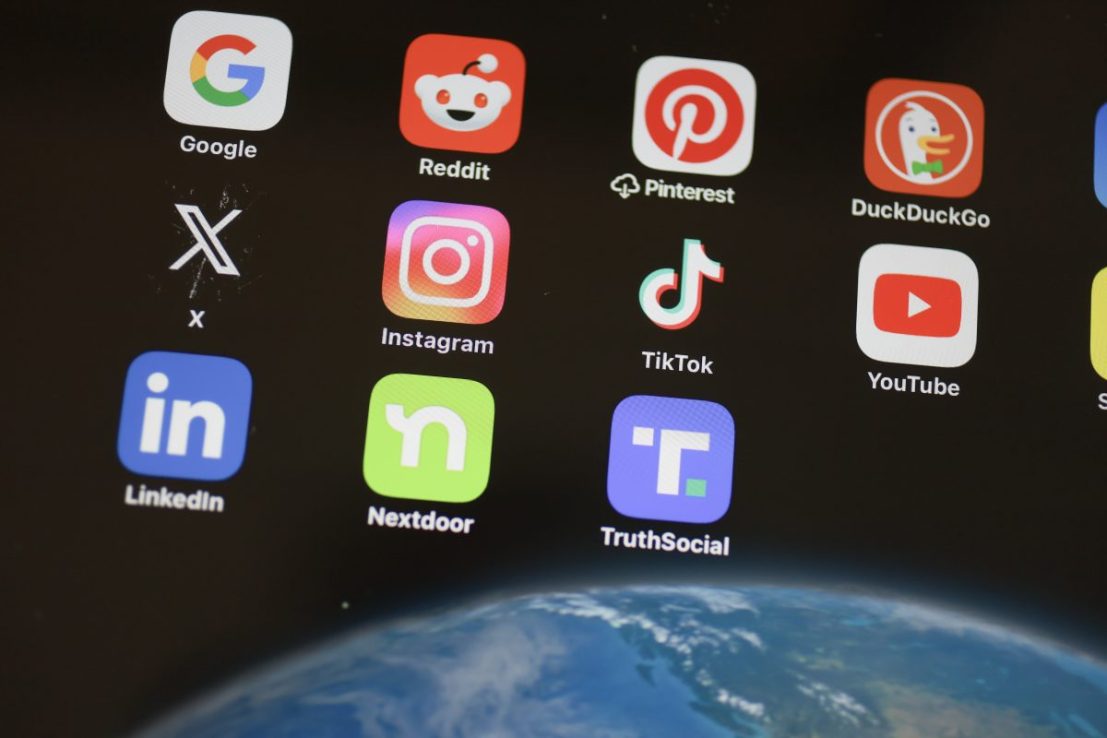
The Prime Minister announced on Monday that children under 16 would be barred from platforms including TikTok, Instagram, Snapchat, YouTube, Facebook, X and Reddit from spring 2027 in what Downing Street described as an effort to “give children back their childhoods”.
The criticism has extended beyond Silicon Valley, with Dr Christopher Snowdon, head of lifestyle economics at the Institute of Economic Affairs, saying the government was repeating mistakes already seen in Australia, where many teenagers have continued accessing social media through VPNs, family accounts and inaccurate age declarations.
“We know from Australia that most teenagers will get around the ban and that those who are not able to do so will suffer from social isolation,” he said.
Snowdon argued parents already possess tools to restrict screen time and online activity, adding that mandatory age verification risked encouraging children to bypass existing safeguards.
“What the government is trying to do is reminiscent of attempts to ban the printing press,” he said. “It is similarly impractical, illiberal and ultimately undesirable.
Under-16 ban underway
Yet despite the backlash, Whitehall officials are pressing ahead with plans that could place Apple’s iOS and Google’s Android software at the centre of Britain’s age-verification regime
“We definitely see a world in which that makes it easier and simpler for users to age assure,” a senior government official said.
“It probably won’t always be the only method, but it certainly offers opportunities that we’re really interested in.”
The approach would represent a major shift in responsibility away from social media platforms and towards the operating systems that underpin devices themselves.
Meta, which owns Facebook and Instagram, has long argued that age checks should happen at the device level.
Apple and Google have resisted, warning about privacy implications and the risks of becoming responsible for storing and distributing age data at scale.
Australia-style ban, and then some
Starmer’s plans are modelled partly on Australia’s social media ban, which came into force last year, but ministers insist Britain will go further.
Alongside blocking under-16s from major social networks, children will be prevented from livestreaming themselves online and from communicating with unknown adults through gaming platforms and social services.
AI chatbots with romantic or sexual features will be restricted to over-18s, while ministers are also considering overnight curfews, restrictions on infinite scrolling and autoplay features, and tighter controls on algorithmic recommendations for older teenagers.
The government hopes legislation will pass before Christmas, allowing the measures to come into force by spring 2027.
Enforcement is expected to rely heavily on age-assurance technology already being deployed under Britain’s Online Safety Act.
Ofcom has been asked to carry out a rapid assessment of what constitutes “highly effective age assurance” and report back later this year.
But privacy campaigners have warned that widespread age verification could create new risks by forcing millions of users to hand over sensitive personal data to third-party providers.
The Open Rights Group said the plans risk creating a situation where it becomes increasingly difficult to access online services without uploading identity documents or biometric information.
Elsewhere, research from Australia has suggested many teenagers have continued accessing social media despite the ban, often by using VPNs, family accounts or inaccurate age declarations.
Tech firms have also pushed back, with Youtube warning that blanket bans risk pushing children towards “anonymous, less-safe services”, while Meta said restrictions could isolate teenagers from online communities and information.