Morgan Stanley: Broadcom bears are wrong about Google TPU
Broadcom shares climbed Tuesday, July 14, 2026, after Morgan Stanley published one of its most forceful defenses yet of the company’s position in artificial intelligence chips.
The relief looks fragile. The stock is still down sharply from the record high it set barely six weeks earlier, and this year’s gain has trailed the rest of the chip sector by a wide margin.
Broadcom Inc (AVGO) shares rose 1.32% on July 14 to close at $389.11, though they had climbed nearly 3% earlier in the session. Despite the day’s gain, the stock remains down approximately 19.1% from its record closing high of $480.77 set on June 2, 2026, according to data from TheStreet.
So far this year, Broadcom has gained only a modest amount, badly lagging the broader semiconductor rally.
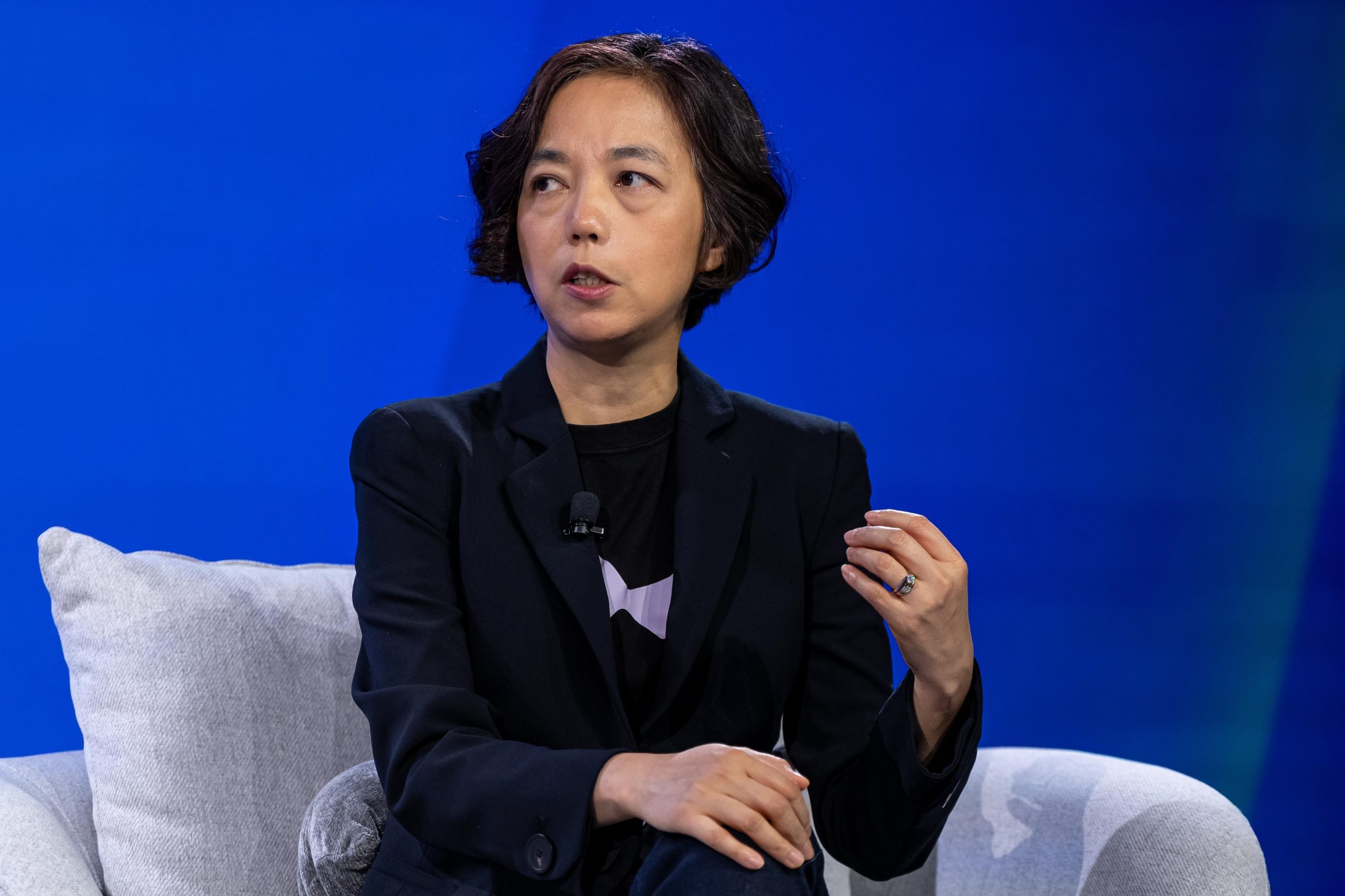
Morgan Stanley analyst Joseph Moore addressed that gap directly in a note to clients, saying he was surprised by Broadcom’s underperformance given the strength of its AI growth trajectory, according to Seeking Alpha.
He traced the weakness to one persistent fear: that Taiwan’s MediaTek is quietly taking over Broadcom’s work building Google’s Tensor Processing Units, the search giant’s own AI processors and an alternative to buying chips from Nvidia.
His answer is blunt. Moore reiterated a buy-equivalent rating and a $502 price target, and said Broadcom should keep roughly 80% of Google’s TPU business over time.
“Our view is that MediaTek participation is real, but not disruptive,” he wrote, calling projections of a drop to 50% share, or a full replacement, premature. Moore also acknowledged that Google has its own incentive to lean on multiple chip partners to gain what analysts called “supplier optionality,” Seeking Alpha reported.
The AI business Moore is defending
The numbers behind Moore’s confidence are not in dispute. Broadcom’s fiscal second-quarter revenue hit a record $22.19 billion, up 48% year over year, with AI semiconductor revenue climbing 143% to $10.8 billion, according to the company’s own earnings release.
Broadcom told investors it expects AI semiconductor revenue to grow more than 200% in the current quarter.
That kind of growth is exactly why the stock’s underperformance has puzzled Wall Street.
A company posting triple-digit AI revenue growth is not supposed to trail its own sector this badly, which is precisely the disconnect Moore’s note was written to explain.
Why investors were primed to worry
The skepticism did not start this week. On Broadcom’s June 3, 2026, earnings call, the company beat Wall Street’s revenue estimate but did not raise its full-year AI chip sales target, and shares fell about 15% the next day, according to CNBC.
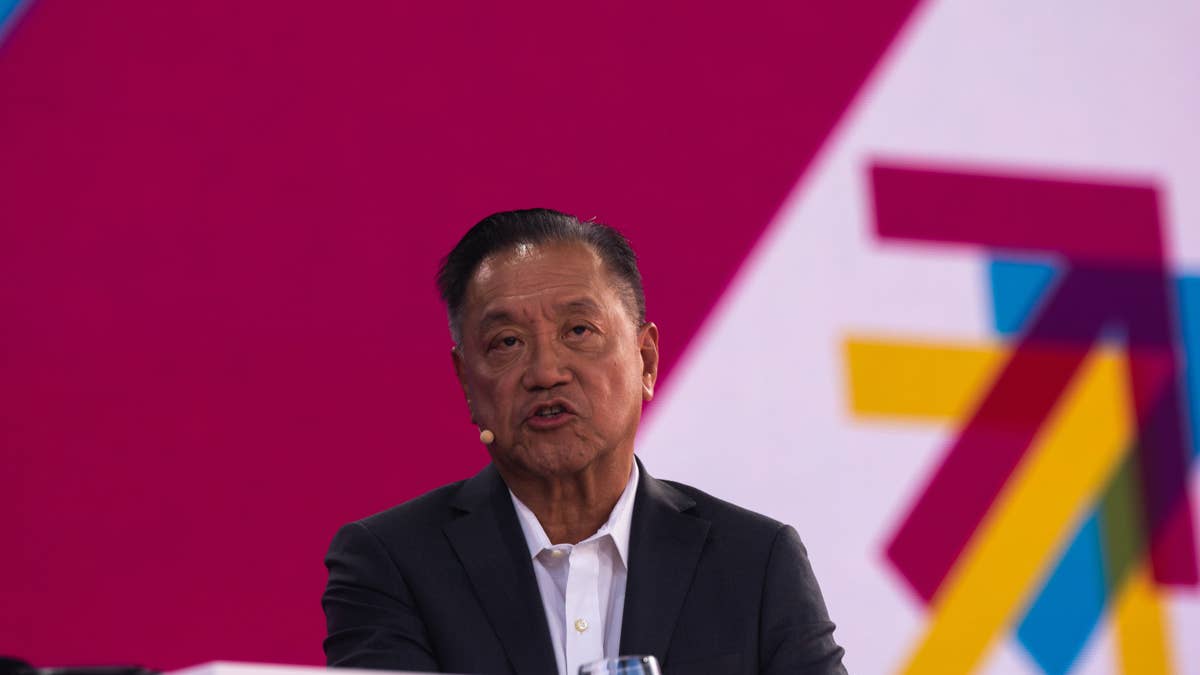
CEO Hock Tan acknowledged on that call that Google would likely draw on multiple chip suppliers going forward, a comment that gave the MediaTek narrative real momentum heading into the summer.
Not every analyst agrees
Moore’s 80% estimate is optimistic relative to some peers. Macquarie has projected that Broadcom’s share of Alphabet’s TPU revenue will fall from around 95% in 2026 to 80% in 2027 and 65% in 2028, a materially steeper decline, according to CNBC.
Bernstein’s Stacy Rasgon took a more patient view the same week, telling clients the stock may simply need a couple of quarters to digest the transition before its growth reasserts itself, according to CNBC.
More Broadcom:
- Broadcom extends Apple chip deal through 2031
- Broadcom gets $30 billion Apple boost as valuation debate grows
- Top Broadcom insider unloads eye-popping number of shares
Other banks are more bullish than Moore, not less. JPMorgan has reiterated an overweight rating and a $580 price target, arguing the Google TPU program has not been delayed or canceled, despite what it called “noise” from the Asia supply chain.
The spread between analyst targets shows this is a live argument about pace, not a settled question.
A preview of every chip supplier’s future
Google is not the only reason to own Broadcom. The company extended its custom silicon relationship with Meta in April and signed a $30 billion-plus chipmaking agreement with Apple earlier this month.
That diversification is the real hedge against any single customer, including Google, deciding to spread its orders around.
The bigger lesson extends past Broadcom. Hyperscalers increasingly treat supplier concentration as a risk to manage rather than a relationship to reward, and Google’s TPU roadmap is simply the clearest example playing out in real time.
Investors in every custom silicon stock should expect a single supplier’s share of any one account to compress over time, even as the total pool of AI chip spending keeps growing fast enough to make a smaller slice worth more in dollars.
Whether Moore’s 80% figure holds, or whether Macquarie’s steeper decline proves closer to reality, will become clear only as Google’s next TPU generations actually ship.
Related: Morgan Stanley drops timely Honeywell stock opinion