MetaMask as the New Brokerage Hub: OTL Equities Access Explained

Fireblocks, Robinhood, and MetaMask have launched the Open Transaction Layer (OTL), a standard that connects financial and crypto firms, enabling MetaMask’s 100 million users to access tokenized equities and institutional-grade assets via a self-custodial wallet.
This initiative creates shared protocols for identity, messaging, and transaction coordination, treating non-custodial wallets as key participants.
Fireblocks, Robinhood & MetaMask Just Launched the Open Transaction Layer (OTL) – Here’s Why Institutional #Digital Asset Security Will Never Be the Same + Videohttps://t.co/muIwuRhYiX
Educational Purposes!— UNDERCODE TESTING (@UndercodeUpdate) May 29, 2026
The OTL coalition includes firms like Checkout.com, FalconX, and eToro, providing the necessary infrastructure for tokenized stocks and cross-border payments.
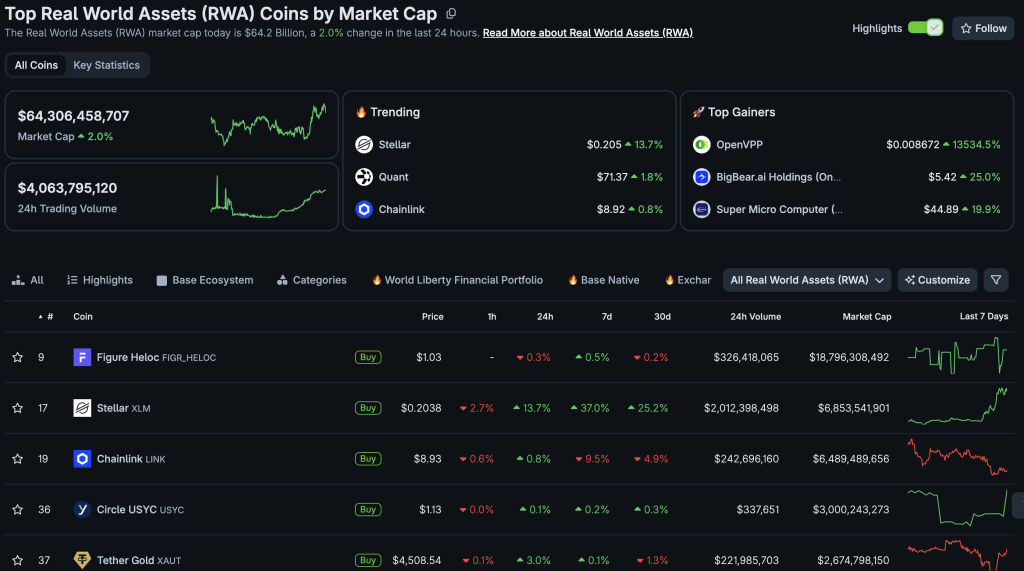
With the RWA market exceeding $64Bn by market cap, OTL aims to enhance coordination and streamline previous tokenization efforts in the evolving global trading landscape.
Open Transaction Layer Architecture: How Standardized Identity, Compliance Rails, and Chain-Agnostic Settlement Change the Infrastructure Stack
OTL consists of four technical layers—identity, session, transport, and messaging—topped by an application layer for business logic.
The lower layers manage counterparty discovery, secure connections, data routing, and structured messaging, using standards such as W3C DIDs for decentralized identity and ISO 20022 for financial messaging.
The application layer facilitates regulated workflows like payment authorizations and Travel Rule attestations.
Importantly, OTL does not directly move value; it operates atop settlement rails such as Ethereum and Solana, coordinating identity verification and compliance for regulated asset transfers.
Fireblocks Co-Founder Idan Ofrat noted that OTL addresses integration challenges faced by regulated institutions by streamlining digital asset operations.
Positioned as the TCP/IP for on-chain finance, OTL standardizes processes surrounding value movement across various blockchains.
Available at otl.network, the open-source specifications allow a single OTL integration to connect institutions and wallets within the full alliance network, ensuring built-in compliance and coordination for applications.
For stablecoin issuers like Circle and Paxos, OTL serves as the messaging substrate linking their tokens to all participating wallets and venues.
MetaMask and OTL: From DeFi Wallet to Institutional Brokerage Interface
MetaMask’s role as a founding partner in the OTL initiative is significant, as it shifts the wallet’s function from primarily a DeFi interface to a compliant transaction tool for institutional use.
This partnership allows MetaMask to facilitate smoother interactions with tokenized equity platforms, eliminating current KYC hassles and compliance issues.
Users will benefit from a standardized experience that includes identity verification and settlement instructions, akin to traditional brokerage accounts but retaining custody.
In contrast to competitors like Coinbase Wallet or Phantom, MetaMask’s membership offers institutional interoperability that individual vendors can’t achieve on their own.
As a founding partner with a user base of 100 million, MetaMask is well-positioned to drive the adoption of this open initiative designed for seamless integration with brokers and custodians.
Tokenized Equity Market Context: Where OTL Enters the RWA Infrastructure Race
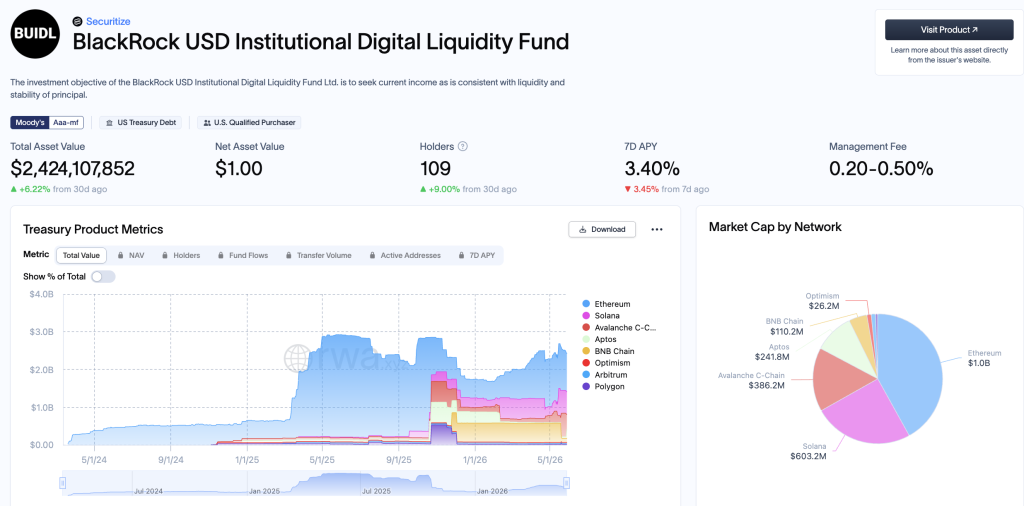
The RWA tokenization landscape that OTL enters is already populated by institutional products that generate significant assets under management (AUM). BlackRock’s BUIDL fund amassed over $500M in tokenized Treasury assets shortly after its 2024 launch.
Other products like Franklin Templeton’s FOBXX, Ondo Finance’s OUSG, and WisdomTree’s on-chain shares reflect a growing institutional tokenization space, albeit lacking a unified coordination standard.
Securitize, an OTL alliance member, has been developing a compliant on-chain security infrastructure since 2019 and is now partnered with NYSE to bring equities on-chain—a framework OTL aims to standardize for MetaMask access.
Galaxy Digital’s on-chain shareholder vote showcased the governance rights tied to tokenized equity, marking a shift from proof of concept to real-world application.
The need for a coordination standard that enables self-custodial wallets to interact with these tokenized assets within a compliant framework remains.
Max Rotham from Checkout.com highlighted the necessity for merchants and institutions to have clearer methods for identifying counterparties and securely coordinating across different platforms.
The author does not hold or have a position in any securities discussed in the article. All prices were quoted at the time of writing.
The post MetaMask as the New Brokerage Hub: OTL Equities Access Explained appeared first on Tokenist.