
Luxury Collagen Supplements vs Skincare: Worth It?
A premium moisturiser, a serum with a long ingredient list and a box of collagen powder can all cost roughly the same, and each promises younger-looking skin. When you decide where to spend, the question isn’t which product sounds more luxurious. It is which one has the best chance of delivering something you can see. This article compares Vida Glow collagen supplements with a traditional skincare routine, looking at the evidence, cost per use, and how each fits into daily life.

What skincare does that supplements cannot
Skincare works from the outside, on the surface you can reach. Dermatologists consistently put sun protection at the center of any anti-ageing plan. The American Academy of Dermatology’s advice on selecting anti-ageing products recommends a broad-spectrum, water-resistant sunscreen of SPF 30 or higher, reapplied every two hours outdoors, and describes moisturizer and sunscreen as two of the most effective anti-ageing products. It also advises picking one concern at a time, because using several active products at once can irritate the skin.
What supplements aim to do
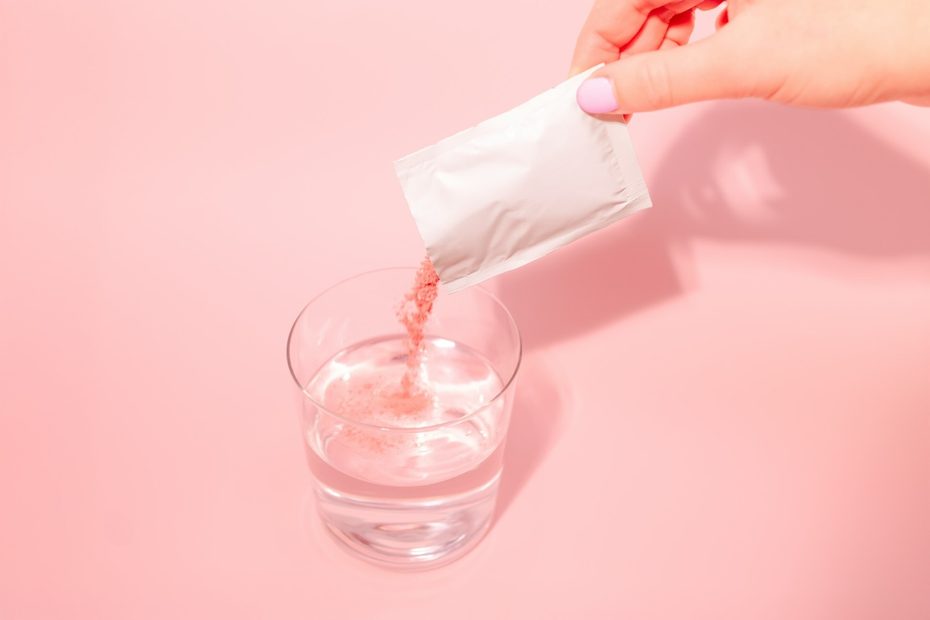
A collagen supplement works from the inside. Vida Glow’s Natural Marine Collagen sachets contain 3 grams of hydrolyzed marine collagen peptides per serving, and the brand suggests one to three sachets a day. Its liquid range pairs marine collagen with vitamin C for people who prefer a ready-to-drink format. The idea is that the peptides support the skin’s own structure over time. Research on that idea is encouraging but not conclusive, and that is where the comparison gets interesting.
The evidence gap
For topical routines, the evidence for sunscreen and retinoids is strong. Harvard Health’s piece on winning the skin game describes a three-step routine of washing, moisturising and applying an SPF 30 sunscreen each day, with retinoids as an optional extra that may boost collagen and improve wrinkles and texture. For supplements, the research is smaller and mixed, with many studies funded by manufacturers and using different doses and forms. Most people will see more from a consistent skincare routine than from a supplement alone.
“Luxury” is not a measure of results
The same AAD guidance warns that results from anti-ageing products are usually modest and that a higher price does not guarantee better results. It also explains that a label saying clinically proven generally means consumers tried the product, not that a regulator approved it. That caution applies to supplements as well. A beautiful sachet or a heavy glass jar tells you nothing about the dose, the source or the testing. Judge by the facts on the label rather than the packaging.
Comparing the costs
A premium moisturiser and sunscreen can cost a lot per month, and a luxury serum adds more. A box of 30 marine collagen sachets from Vida Glow is listed at £39, which works out at about £1.30 a day for a single sachet. The skincare staples cost more overall but offer the strongest evidence, while the supplement is a smaller add-on. If your budget is tight, spend on sunscreen and moisturiser first and consider a supplement second.
When a supplement makes sense
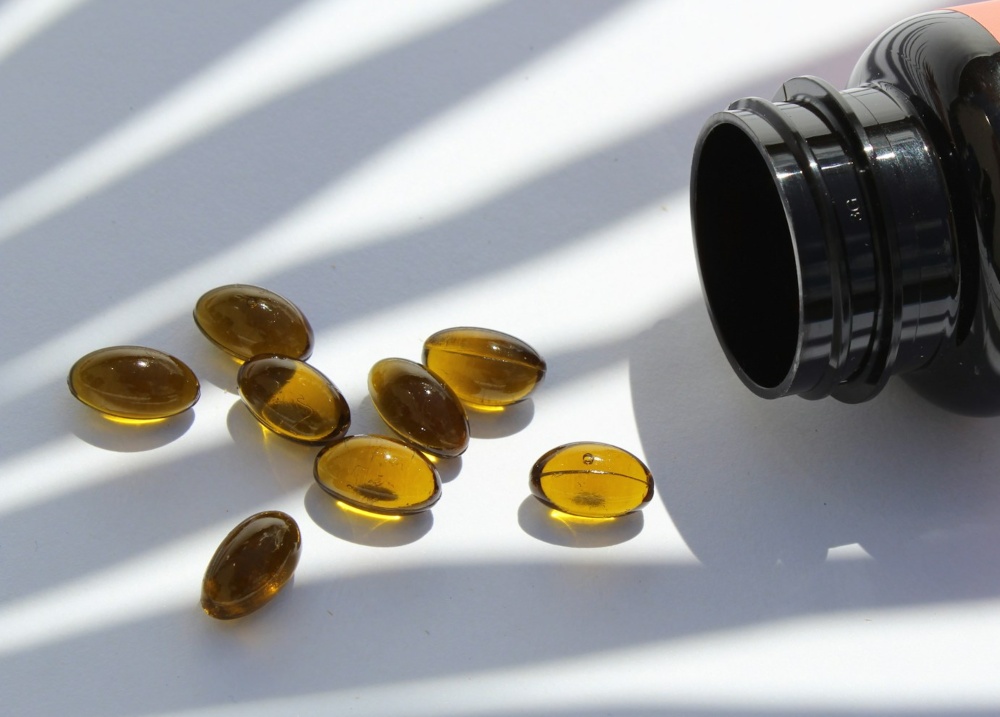
Supplements suit people who already have the skincare basics in place and want something extra, and those who like the ritual of a daily sachet. The format also suits busy mornings: you can stir flavourless powder into coffee or drink a liquid sachet on the go. If you choose one, check the dose, check for allergens and remember that the marine collagen here contains fish. People who are pregnant, take medication or have a medical condition should talk to a doctor first.
When skincare comes first
If you don’t use sunscreen daily, make that your priority. The Harvard Health guide recommends at least SPF 30 on the face, including under the eyes, the neck, and the ears, reapplied every two hours outdoors. It also suggests applying moisturizer to damp skin after washing and choosing simple formulas, since fragrance can irritate. Vitamin C and azelaic acid may help fade dark spots, and gentle cleansers beat harsh scrubs. These steps cost little and have the most support.

Questions to ask before you spend
Before buying anything, ask four simple questions. What is the dose or concentration of the active ingredient? Is there independent evidence, and how large was the study? What does it cost per month when used as directed? And can you return it if it does not suit you? A brand that answers these plainly deserves more trust than one that leans on celebrity endorsements or elegant packaging. The same questions apply whether you are looking at a serum, a cream or a box of sachets.
Using both without overspending
You do not need to treat this as a contest. A sensible plan is to put most of your budget into daily sunscreen, a moisturiser you enjoy and, if you want to go further, a retinoid recommended by a dermatologist. Then add a supplement if it doesn’t strain your finances. Track how your skin looks and feels over several months, take photos under the same light and decide whether the extra spend is worth keeping.
The verdict
Based on the evidence, skincare is the better first investment, and a supplement is a pleasant extra, not a replacement. If you want both, buy for substance, not for packaging, and give each product enough time to show what it can do.
Images courtesy of Unsplash.
For more on the latest in wellness and beauty reads, click here.
The post Luxury Collagen Supplements vs Skincare: Worth It? appeared first on LUXUO.