



Lime targets commuters with ‘more affordable’ cycle to work scheme
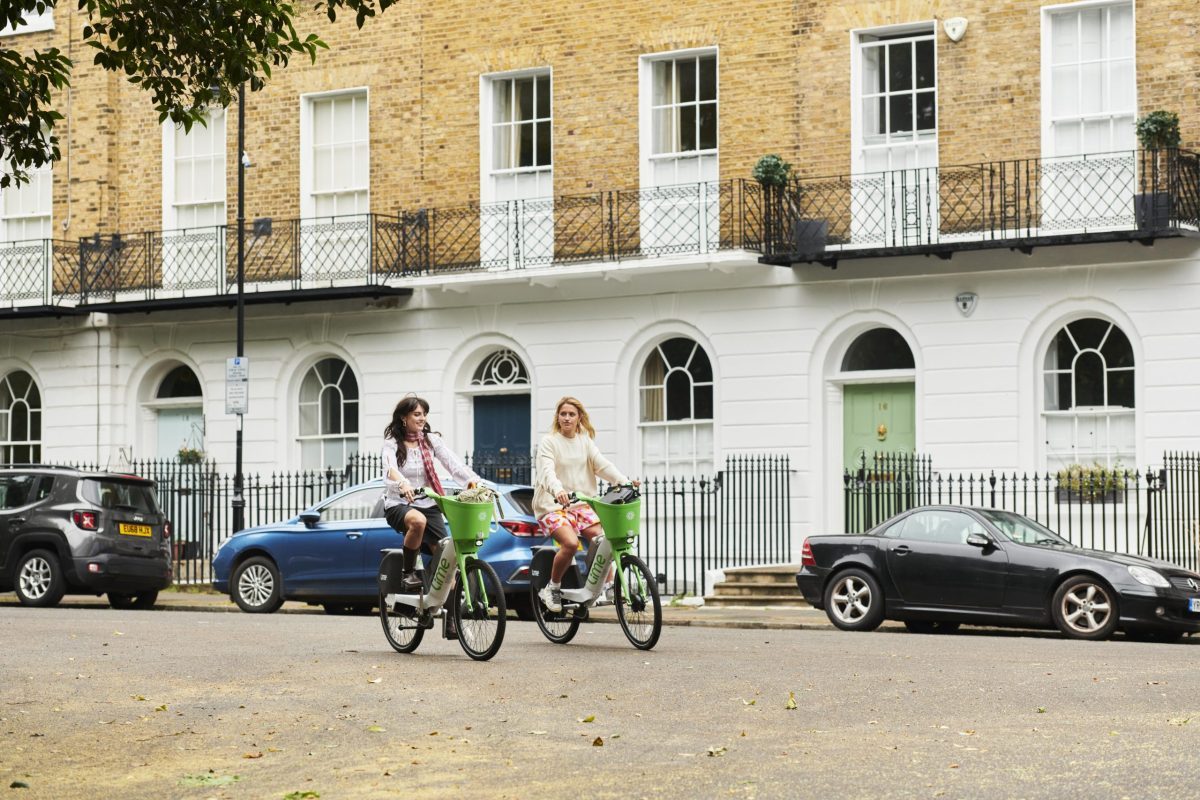
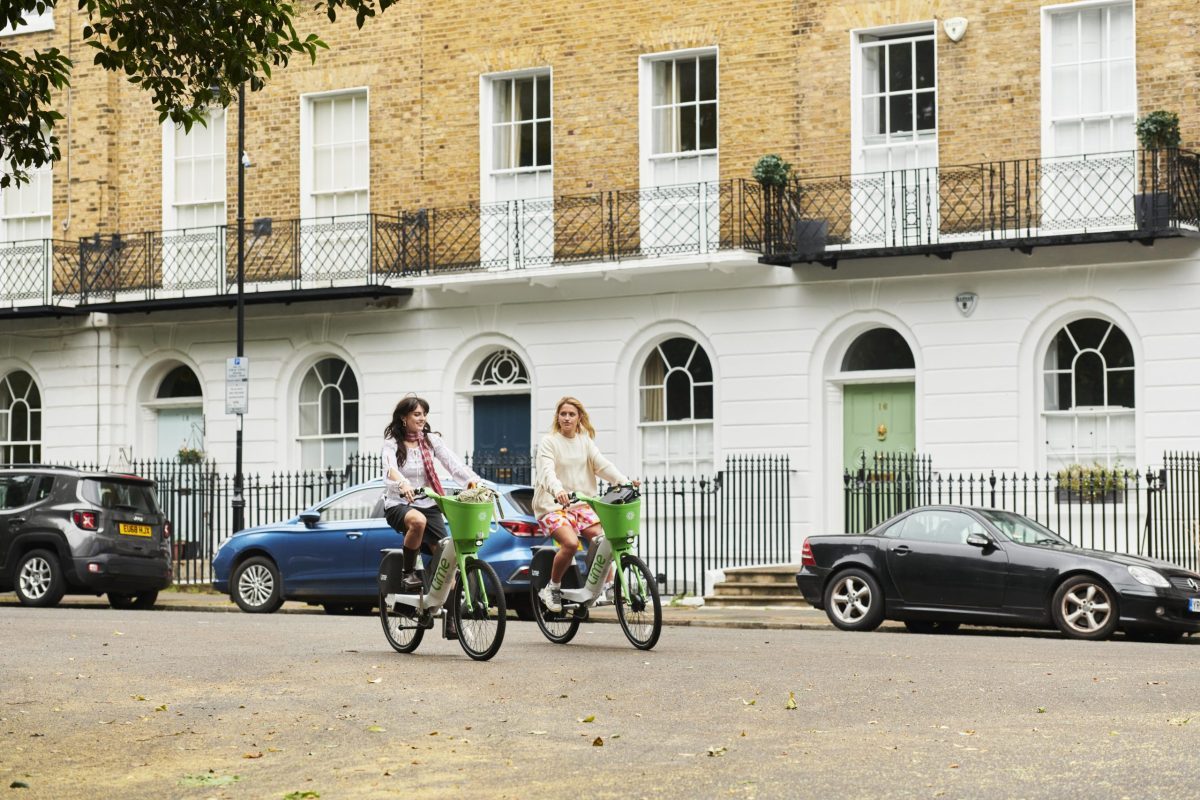
Lime is making its e-bikes cheaper for workers through the Cycle to Work scheme as the ubiquitous green operator steps up its push for a bigger wedge of London’s daily commute.
Workers will be able to pay for an annual Lime subscription through salary sacrifice, cutting the cost by as much as 47 per cent depending on their tax band.
The move comes amid changing commuting habits, particularly in London, where Lime says its bikes are increasingly being used alongside buses and the Tube rather than simply for occasional trips.
“People use our bikes alongside other transport, not instead of it”, Alice Pleasant, Lime’s UK deputy head of region for government relations, told City AM.
“People are using it to get to buses, to get to the tube, to change journeys”, she said. “It’s about choice and inter-connectivity”.
Under the deal, employees can buy a Lime annual subscription with 500 minutes of riding each month for £635 before tax savings.
That works out at £52.92 a month, falling to £38.10 for basic-rate taxpayers, £30.69 for higher-rate taxpayers and £28.05 for additional-rate taxpayers.
The benefit will be available across Lime’s UK e-bike operations, including London, Milton Keynes, Oxford, the West Midlands and Nottingham.
It is also a departure from the traditional Cycle to Work model, which has largely helped workers buy their own bikes.
Peter Dando, senior director of employee benefits and recognition at BHN Extras, told City AM the company had seen an increase over the past year in employers and workers asking for bike rental to be included in the benefit.
Employees are increasingly looking to their companies for help with everyday costs, he added, with getting to work a “significant, daily, frequent” expense for many.
“If there is a more economical way of doing that, I think a lot of people will see the benefit,” Dando said.
Lime’s plea to convert London’s commuters
The launch builds on Lime’s push into subscriptions as the company tries to turn more occasional riders into regular users.
Earlier this year it launched Limeprime, charging London subscribers £6.99 a month and £1.70 for journeys of up to 20 minutes – just below the capital’s £1.75 bus fare.
Pleasant said subscriptions offered riders “certainty”, but rejected the suggestion Lime was seeking to replace other forms of public transport.
“Transport is about ease of access, right, and choice”, she said. “It’s important to have lots of different pricing options”.
City AM revealed last year that the operator had quietly increased its London pay-as-you-go rate from 29p to 31p a minute, taking a standard 20-minute ride to £6.20. Its 30-minute bundle also rose from £3.99 to £4.49.
But Lime argues there remains considerable untapped demand for cycling in the capital. An Opinium survey of 1,000 Londoners commissioned by the company found 44 per cent wanted to cycle more, while just 27 per cent considered themselves a “cyclist”.
“We’re very much trying to close the gap between those who want to cycle and actually doing it”, Pleasant said.
Lime research found 76 per cent of 18 to 34-year-olds surveyed viewed cycling as part of London’s identity, while 67 per cent said it made the capital more liveable.
Pleasant said commuting was already a “huge part” of Lime journeys, with demand increasing during disruption to other transport.
“From tube strikes to heatwaves, increasingly more and more people are looking to cycling as an option”, she said.
BHN’s research found a third of UK employees were considering cycling for part of their commute, while 44 per cent said access to an e-bike would encourage them to cycle more.
Dando said cost was only one barrier, pointing also to concerns around road safety and bike theft. Renting could remove some of the problems associated with owning and storing a bike, particularly for workers in cities.
Lime’s UK business has grown rapidly as those habits have shifted, with revenue jumping 75 per cent to £111.3m in 2024.
The expansion has also brought growing scrutiny over badly parked bikes and pressure from London councils, alongside competition from rivals including Forest and Voi.