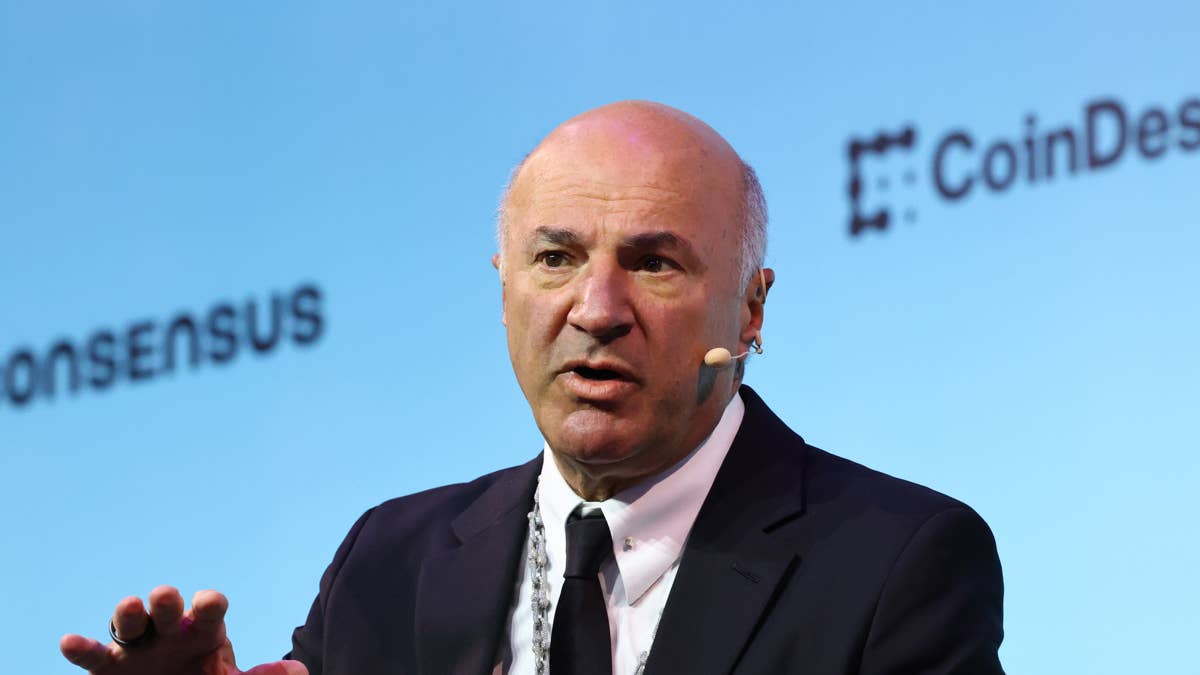
Kevin O’Leary sends a strong warning to all first-time home-buying Americans
Kevin O’Leary posted on X on Oct. 20 with a message he said most Americans are not thinking clearly about. It had nothing to do with stocks, startups, or picking the right investment.
The investor and “Shark Tank” star was talking about homeownership. His position was blunter than most financial advisers would put it. Buying a home, he argued, should never be treated as a milestone to rush toward. The mortgage that comes with it is a debt, and debt has a cost that most buyers underestimate before they sign.
Also read: Goldman Sachs has a new warning for the housing market for 2027
“Don’t fall in love with being in debt through a mortgage,” O’Leary wrote. “Fall in love with being debt-free. Feels way better.”
Why O’Leary says rent before you buy
O’Leary’s advice centers on sequencing. Before buying in any market, he said, renters should spend time there, confirm the neighborhood works for them and make sure the job supporting their lifestyle is stable enough to carry a long-term payment.
“Once you’re feeling very comfortable about that, and maybe you’re thinking about starting a family, then considering a mortgage might make sense,” he said.
His concern is not homeownership itself. It is the debt load that comes with it and how quickly that load can become a problem when circumstances change. Property taxes go up. Maintenance is constant. A job loss or an interest rate reset (if you have an adjustable-rate mortgage) can turn a manageable payment into a crisis.
“Always remember that you owe money, lots of money,” O’Leary said. “Debt is debt, and you have to pay it back.”
The ARM warning O’Leary isn’t softening
O’Leary reserved his sharpest warning for buyers considering adjustable-rate mortgages (ARMs). ARMs typically offer lower introductory rates, but those rates reset after a set period, sometimes significantly higher.
“If you go into a floating rate mortgage and all of a sudden for some reason rates do go up, you’re screwed,” he said.
For buyers who plan to sell or refinance before the rate adjusts, an ARM can work. For buyers who stay longer than expected, it is a risk that can turn a home into a financial burden. A fixed-rate mortgage eliminates that uncertainty: the principal-and-interest payment stays the same for the life of the loan regardless of what the rates do.

A housing market running out of buyers
O’Leary’s warning lands in a market that is already showing strain. Redfin reported that 14.5% of home-purchase agreements that went under contract in September were canceled, the highest rate in its records outside the pandemic. Sellers outnumbered buyers by 62.6% that month, the largest gap in data going back to 2013. Pending home sales fell to their lowest level since spring 2014, excluding the pandemic months. 60.5% of September sales closed below the original asking price.
More Mortgage Rates and Housing Market:
- Goldman Sachs has a new warning for the housing market for 2027
- Fannie Mae updates its mortgage rate predictions for 2027
- Jeff Bezos has a blunt answer for why housing is so expensive
The backdrop is an affordability problem that has been building for years. J.P. Morgan analysts said in October that U.S. housing affordability is near its worst level since the global financial crisis. The national homeownership rate edged down to 65% this year. Among Americans under 35, the homeownership rate fell to 35%, a nine-year low. Mortgage applications dropped to their lowest level since 1995.
The data describes a market where many buyers who stretched to get in are now walking away and the ones still looking are finding the math increasingly hard to make work.
What to settle before signing a mortgage
The case for buying has not disappeared. A fixed-rate mortgage on a home someone plans to stay in for years can still build wealth and provide stability. The problem is that few buyers enter the market thinking clearly about what the full commitment costs or how much room they have if things go wrong.
O’Leary’s framework is straightforward. Rent until the income is stable, the neighborhood is confirmed and the down payment is large enough to keep the monthly payment well inside what the budget can absorb in a downturn. Do not buy at the ceiling of what a lender approves. And stay away from ARMs unless there is a clear plan for what happens when the rate adjusts.
The housing market may soften. Rates may come down. But a mortgage signed under pressure today does not wait for better conditions. O’Leary’s point is not to wait forever. It is to make the decision on the numbers, not on the feeling that buying is what adults do.
Related: Jeff Bezos has a blunt answer for why housing is so expensive