How London’s Workshop Café & Academy is bringing a touch of luxury to the daily grind
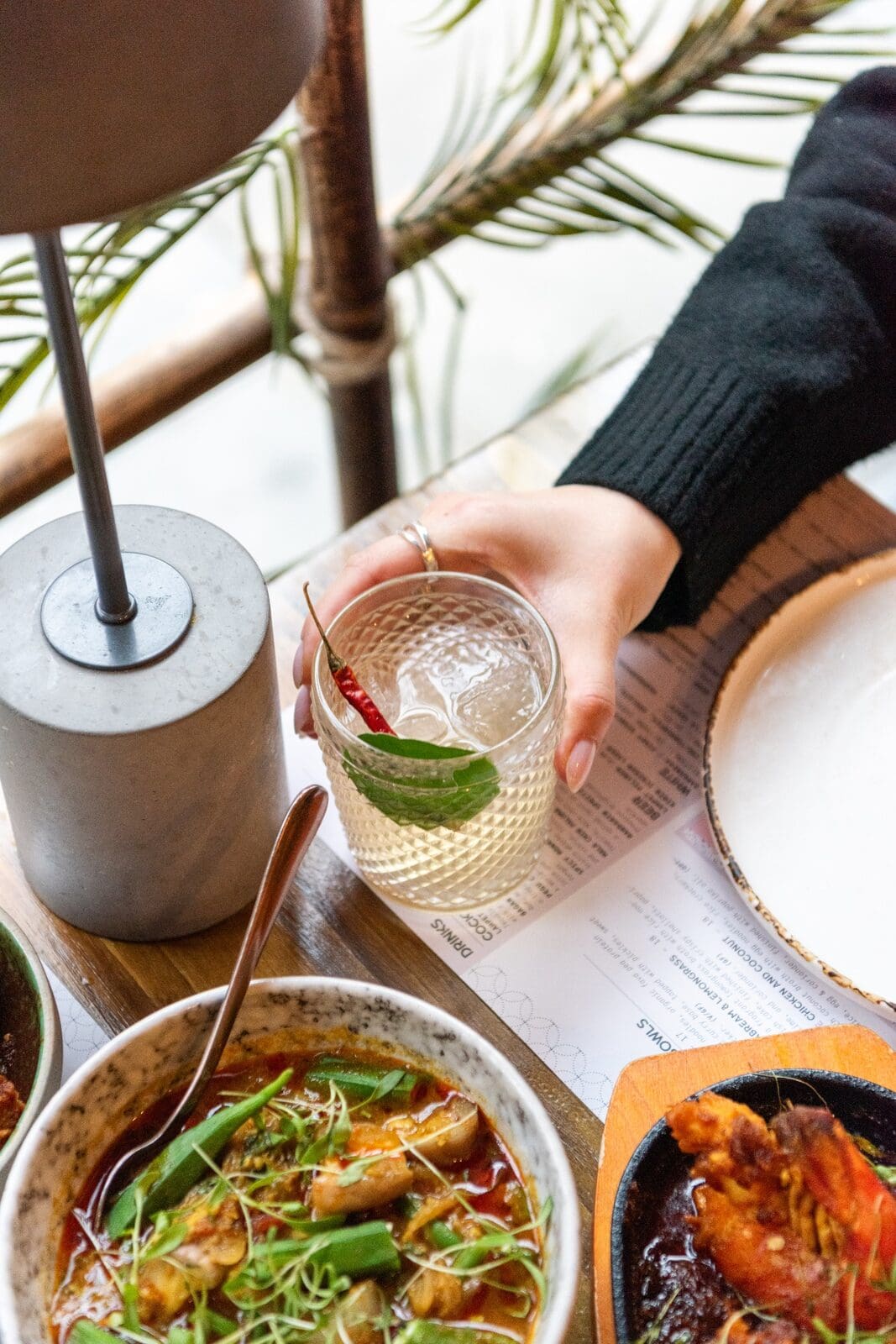
In the depths of a low-lit basement in central London, James Dickson is explaining how his coffee brand, Workshop, began. “I was interested in what’s called the ‘third-wave’ movement,” he says over floral long blacks. The trend focused on speciality coffee beans with flavour profiles mapped to region, roast and growing season. “Consumer behaviour formed around it and the technology too: machines from companies such as La Marzocco were designed to get the very best out of the coffee.”
Workshop rode the wave to become one of the UK’s leading coffee suppliers to the luxury hospitality sector, offering both the product as well as the training to storied establishments such as Claridge’s and The Langham. The company began by travelling to clients’ coffee bars to teach their staff how to brew the perfect cup. But as the business grew – they now have more than 400 clients worldwide – a new solution was called for. “I saw the opportunity to create a modern British brand that pioneered sourcing and roasting techniques, distinct from the antipodean approach,” says Dickson.
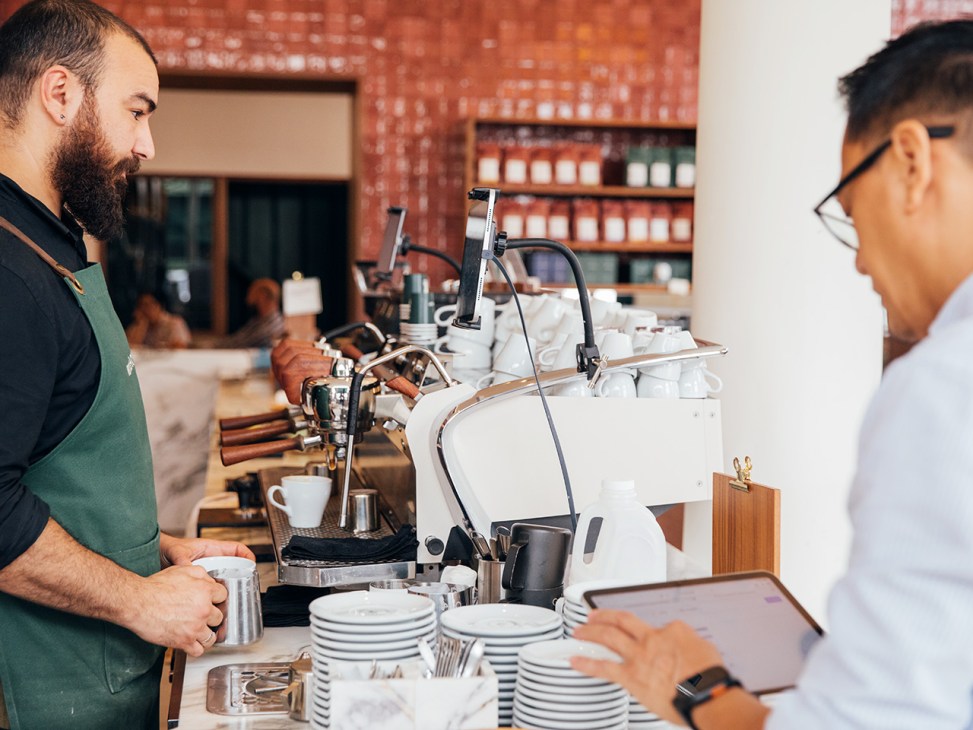
Now, 15 years after Workshop’s founding, that opportunity has been fully realised in a new flagship café and academy in London’s Belgravia neighbourhood. The venue was vital for its proximity to the company’s London-based clients and the neighbourhood “was a key location because it reflected the heritage of London”, says Dickson. “It’s a stone’s throw from Victoria Station, Buckingham Palace and Hyde Park. I was quite obsessed with that.”
London, luxury, simplicity
Dickson’s commitment to representing London and championing a British aesthetic was core to the design brief for the café and workshop space. “I had three words in mind when working with our designers: London, luxury and simplicity,” he says.
To bring that vision to life, Dickson tapped 3Stories, a London-based design studio. “We felt that Belgravia contained all three of these key concepts, so our goal was to invoke a feeling of the brand as well as the neighbourhood,” says Jordan Littler, creative director at 3Stories. To do that, the design firm used Workshop’s signature red-and-green colour palette and brought in texturally rich materials, such as burgundy ceramic from Bologna and Calacatta Verde marble, for a space that invites customers to slow down.


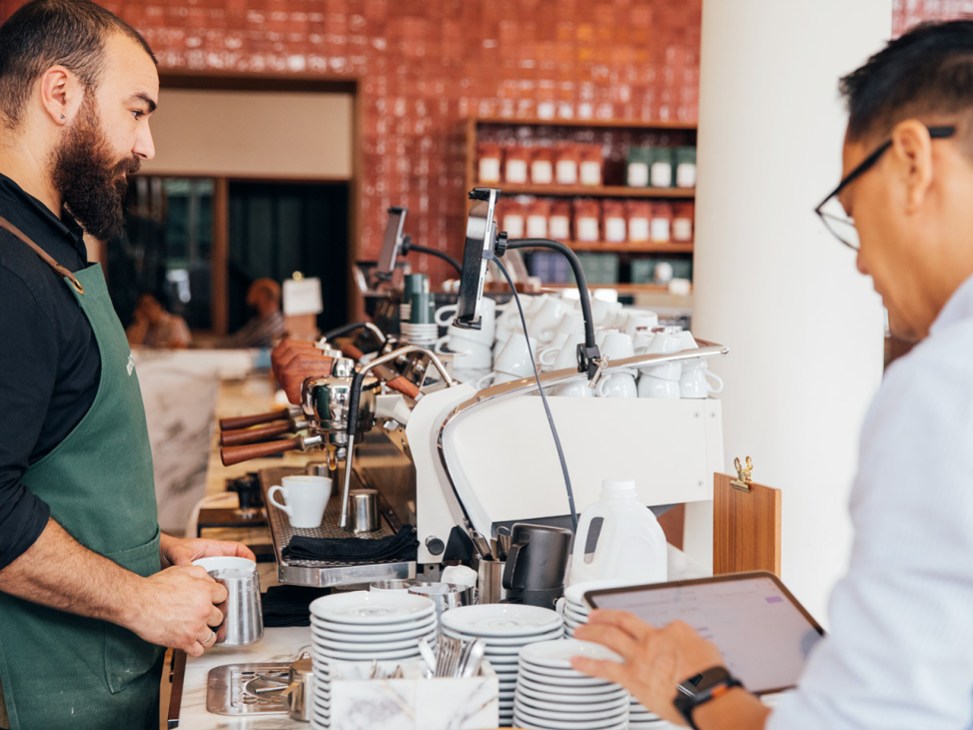
“We wanted people to stop, pause, enjoy the surroundings and their order,” says Dickson. “There aren’t screens or robots trying to speed up the process of buying a coffee.” In today’s oversaturated market, Dickson believes that methodical service is key in creating a premium experience. “Coffee has become a bit ‘high-street’”, he says. “You don’t always get water, you don’t always get a smile, you don’t always get to experience the space. That can have an impact on your day when the price of coffee is going up.”
Most speciality cafés transport customers to cities elsewhere: Copenhagen, Tokyo, Melbourne and Milan, to name a few. For Dickson, keeping the customer situated in London is part of a bigger goal to put the city on the coffee map. “I feel like London doesn’t get enough credit,” he says. “After many years in this industry, I can honestly say that it is currently one of the leading global cities when it comes to speciality coffee.”
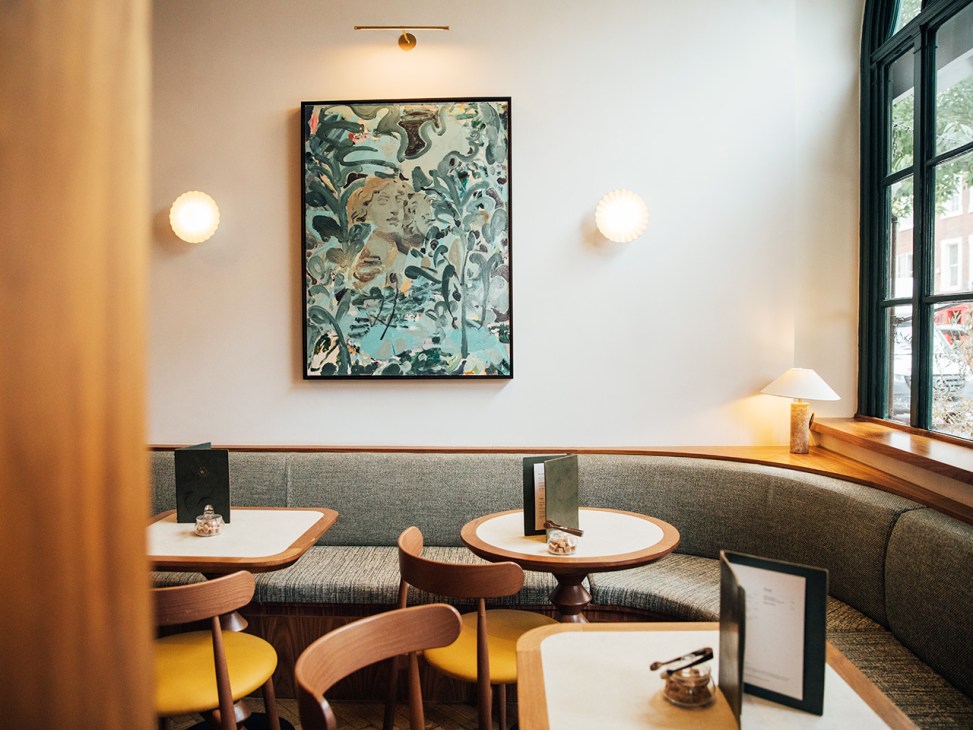
The design brief also nodded to the UK’s rich history of craftsmanship. “We wanted to revive the romantic association with British manufacturing in its heyday,” he says. To do so, 3Stories took inspiration from the leather stitching found in the interiors of Aston Martin vehicles, Burberry’s sharp tailoring and the refined opulence of Rolls-Royce. “I wanted Workshop to feel like it was bringing back that feeling of high-quality, British craftsmanship,” he says.
Brewing a generation of well-trained baristas
At Workshop’s academy, James Bailey, chief product officer, is standing next to glittering new coffee machines that will train many future baristas. The company’s success is thanks to its relationships with growers, and its dedication to a range of distinct flavours.
“There are certain flavour profiles that are very on trend that we’re not interested in,” says Bailey. The company instead prefers sweet, clean and “juicy” coffee flavours. Maintaining this signature profile to the highest standards is not simply a case of buying the right harvest – it’s about keeping strong relationships with farms, which are mostly based in East Africa and South America. The company works with its growers to determine fair pricing for the beans. “If you pay a premium price for the coffee, it allows [the growers] to reinvest in their infrastructures and their trees, and therefore retain the quality,” he says. “[That way we don’t] have to scramble and find a new market every year.”
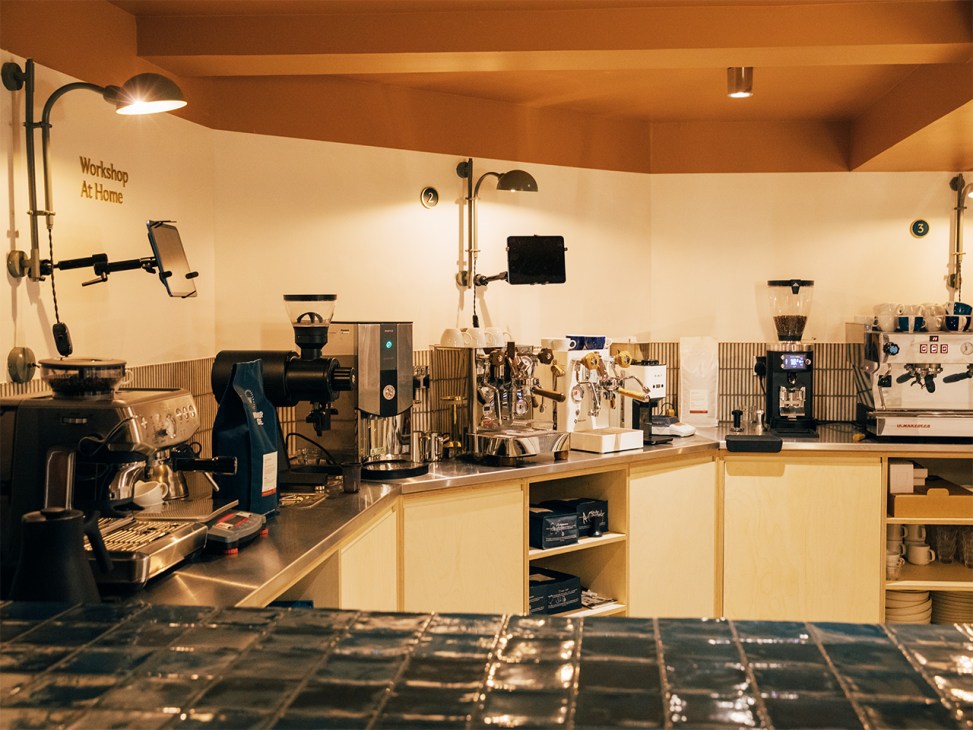
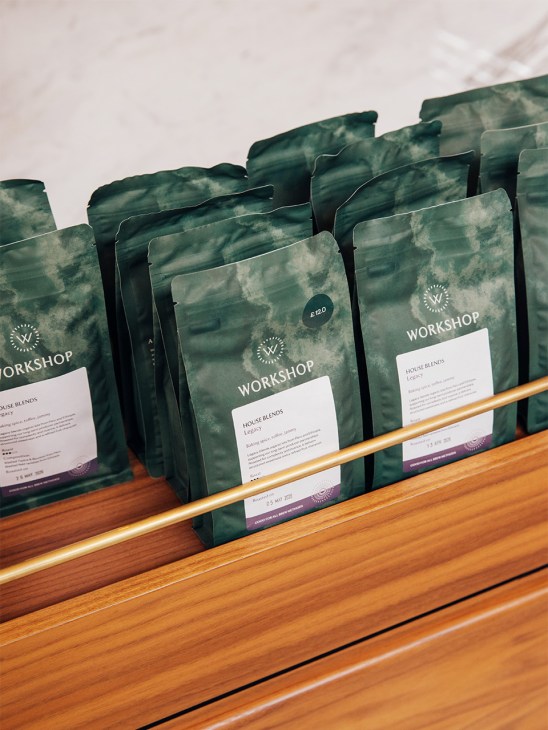
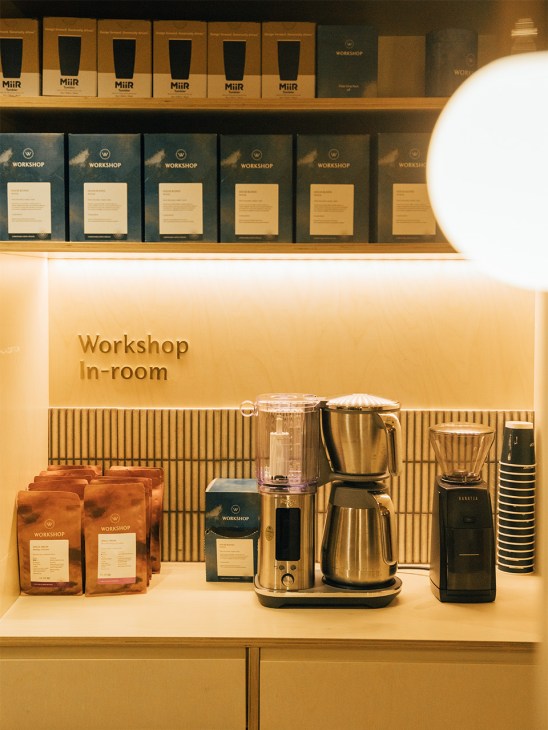
Sourcing, roasting and brewing distinguishes a good coffee from a great one. While many people compare coffee to wine, Dickson says the former is much more complex. “A good bottle of wine can be led by subjectivity – some people just prefer a chardonnay over a sauvignon blanc,” he says. “Coffee is not quite as simple. So much can go wrong through sourcing and the extraction process, as well as the serving mechanism. Only the last 10 per cent is subjective. It’s why it’s so much harder to get right.”
The post How London’s Workshop Café & Academy is bringing a touch of luxury to the daily grind appeared first on Monocle.