How a new generation of collectors is changing the Asian art market
A generational transition is taking place across the Asian art market. While seasoned Gen X collectors continue to be top spenders – acquiring high-value, blue-chip pieces to build their private collections – a wave of young, wealthy buyers is painting a new picture.
At the centre of this phenomenon is Frieze Seoul. As the fair ushers in the autumn art season, Minju Kweon, its head of VIP and business development for Asia, shares what this budding cohort is after and how they are changing the culture around collecting.
What are young collectors in Asia looking for today?
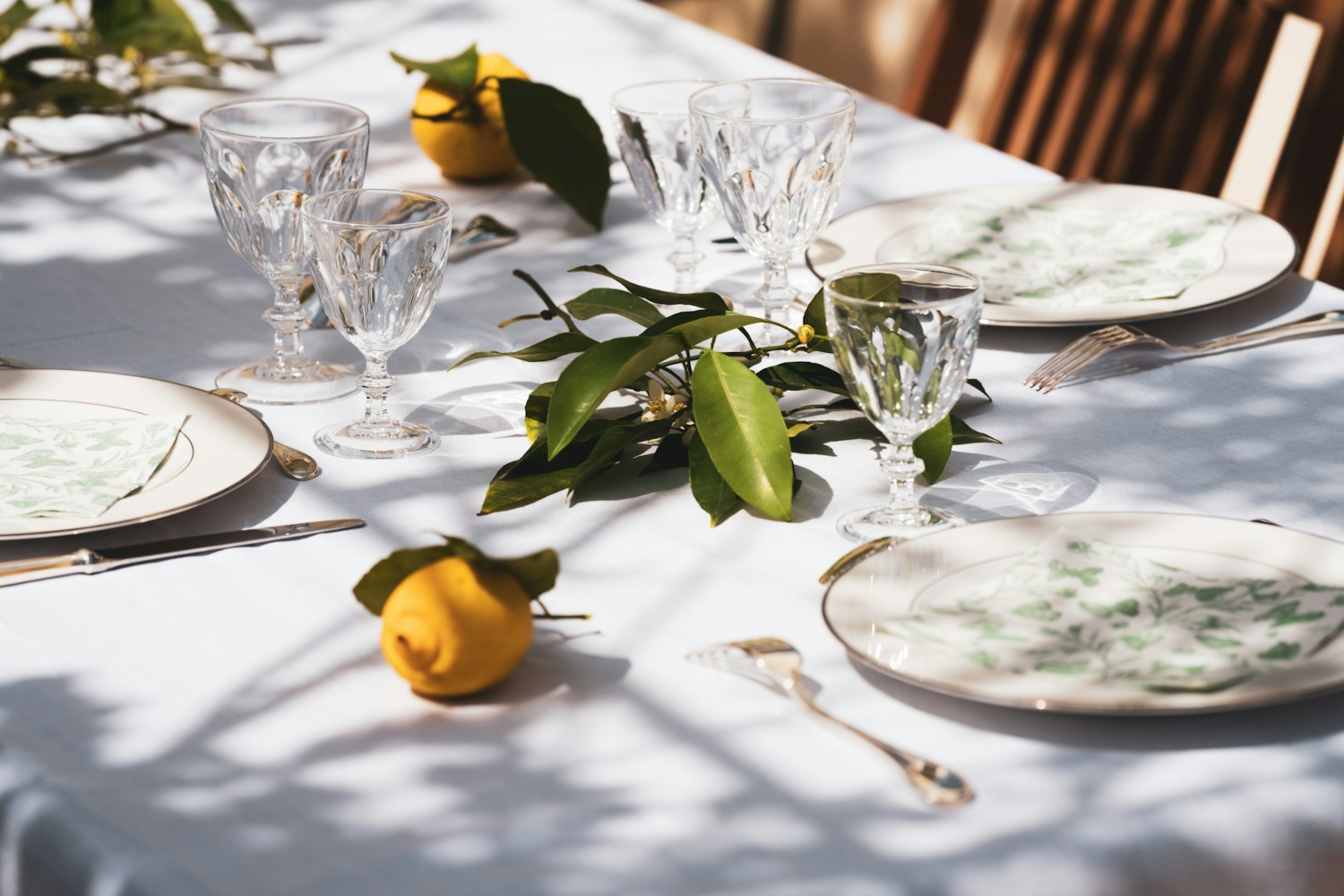
They aren’t just looking for art. While they often start their collections with art, [most begin looking] for ways to appreciate the pieces in their living space. So they want to [combine a range of practices including] design and craft to create a total artistic space. To address this, we have introduced a new section called Material Practice this year, [exploring where design converges with art and craft].
How do their collecting habits compare to older collectors?
The older generation followed market trends more closely. These days, young collectors in Asia don’t buy something just because it’s trendy. They really dig to find [something] they like personally. Collecting is much more personal for them.
Where do they go to discover new art?
Young collectors are not just following fairs. Biennales, for example, are great platforms to learn and to discover what’s new. And this year, [South Korea] has two major events – the Gwangju Biennale and the Busan Biennale – happening in the same week. It really helps that everything is happening at the same time.
Are they changing the collecting culture?
Historically, in Asia, collectors have been more discreet. The new generation is much more open to sharing. They post on Instagram and they don’t mind doing press interviews to promote what they like. They also form their own communities.
What are you doing to engage this younger cohort?
Frieze Seoul is a fair, of course, but we try to make it a citywide festival. We engage with other institutions in the city – not only the established ones but also the alternative spaces so that people can find new things. For example, we host [an event called] Euljiro night. Euljiro is a place where emerging artists run smaller alternative spaces. We have many established museums in Seoul, so we wanted people to experience the other side of the city’s creative scene as well. We launched Euljiro night last year but we have a bigger programme for it this year because art lovers appreciate it. And it’s not only art: we also host Frieze Film and Frieze Music Night to introduce [other cultural] elements, such as performance art, film and music. It creates a space where the younger generation – and really our audience as a whole – can experience art in a broader way.
The post How a new generation of collectors is changing the Asian art market appeared first on Monocle.