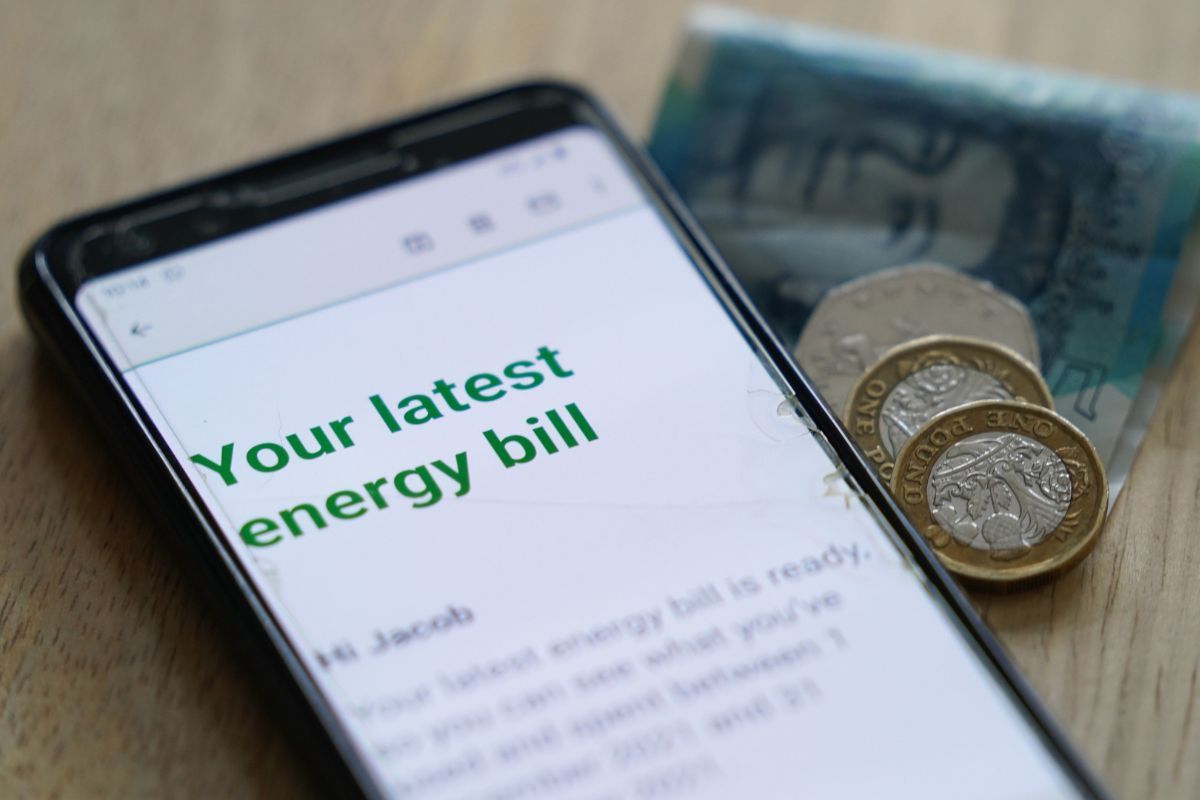
Households set for £443 increase on energy bills

Household energy prices are set to hit £2,166 on an annualised basis, new forecasts have suggested, raising the risk of higher inflation in the midst of a cold winter.
Estimates by the energy consultancy Cornwall Insights suggest that the energy price cap will rise by 26 per cent in January, a £443 increase on the current cap.
This is higher than an estimate of £2,150 set by the Bank of England in its last monetary policy report from November.
The Ofgem energy price cap, which is reset every three months, was at £1,723 a year, which was four per cent higher than at the same time in the summer.
Researchers at the independent energy regulator take account of changes in international energy prices and other costs around network charges or taxes when setting a cap for household bills.
Dr Craig Lowrey, retail markets principal at Cornwall Insight said the timing of the energy price spike “could hardly be worse” due to pressures on families dealing with a cold winter.
“Once again, the cause lies thousands of miles away, yet another reminder of how events beyond our control have a very real impact on our energy bills,” the analyst said.
“While the £100 household energy payment and the removal of VAT from electricity bills will be welcomed, ultimately this support can only chip away at the edges of a bill that continues to be pushed up by events in the Middle East.”
High energy prices to hit families
A £60 jump came in July due to higher energy prices following the start of the Iran war in March.
The continued rise in energy prices from 2027 is expected to coincide with pay settlements for the vast majority of workers across the UK economy.
The National Institute of Economic and Social Research said three-quarters of employees would come to pay agreements in the first three months of the year.
The economics think tank argued that this timing of higher inflation and pay bargaining could lead to a price-wage spiralling effect in the UK economy, whereby higher labour costs push the price of goods and services higher in the following months.
Economists called on the Bank of England to hike interest rates to as high as five per cent from the current four per cent rate in order to squash price pressures in the economy.
Other economists have argued that low job vacancy levels mean workers have less power to bargain for higher pay to deal with inflation. Forecasts show that Brits are set to face a squeeze in real pay next year.
Beyond the impact that the new energy price cap will have on inflation, the Bank of England’s policymakers are monitoring how higher energy costs feed into the prices of goods.
Inflation in the year to October matched expectations at 3.6 per cent. The Bank’s central figures suggest that inflation will hit nearly five per cent in the middle of next year.