Goldman resets PepsiCo stock target amid inflation and cost pressures
A weekend grocery run generally includes a bag of chips, a few cold sodas, and a sports drink for the kids, plus the usual product lineup.
Millions of shoppers follow a similar weekly routine, a habit on which Pepsi (PEP) has built its brand.
Valued at a market cap of $169 billion, Pepsi is among the most popular brands globally.
This year, the beverage giant said international markets delivered 45% of total profits.
Wall Street also wants to know how Pepsi continues to grow amid inflation and a challenging macro backdrop.
So, let’s see how Pepsi performed in Q3 and why an analyst lowered the stock price target by $15.
PepsiCo’s third quarter shows growth is back
PepsiCo’s third quarter looked healthy at first glance.
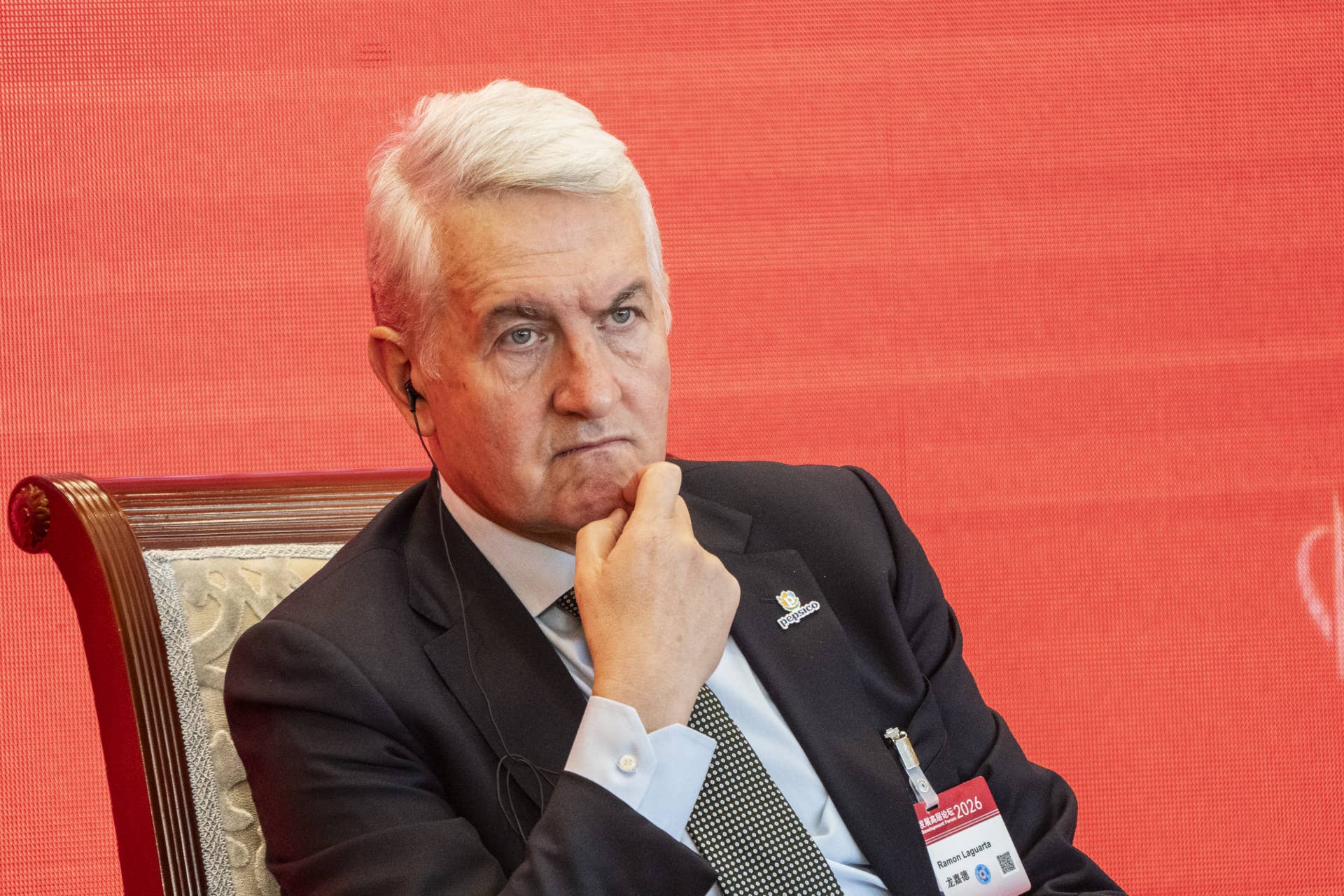
- Organic revenue, which strips out currency swings and acquisitions, rose 3.1%. Pepsi CEO Ramon Laguarta said it is the fastest pace since the fourth quarter of 2023.
- Reported revenue grew more than 5%, core operating profit rose 3%, and earnings per share increased by 2% year over year in Q3.
- Pepsi’s performance in Q3 was attributed to strong volume trends. It grew global beverage volume by 3%, while food volume was up 4% if we exclude the grains business in South Africa.
- Notably, organic revenue in international markets rose 8%, while operating margin widened by 105 basis points.
Laguarta disagreed with the idea that PepsiCo’s strong international results came from one-off factors.
On the call, Morgan Stanley analyst Dara Mohsenian noted that international sales may have been helped by weather and the World Cup.
Also Read: PepsiCo is raising prices on the snacks customers love most
Hot weather and big sporting events can push people to buy more drinks and snacks for a short time. The worry behind that comment is that the growth might fade once those tailwinds disappear.
Laguarta pushed back. He said the strength came from lasting changes in the business, adding that PepsiCo’s growth is broad, covering Europe, the Middle East, Asia, and Latin America.
“I think it is much more structural. I think we are becoming much more competitive in both foods and beverages in more markets.”
More Retail:
- Target tackles a frustrating problem for shoppers
- America’s biggest RV seller closing more stores
- Costco helps members solve a key problem, but at a cost
PepsiCo’s two big North American businesses are heading in different directions.
Snack volume swung from a low single-digit decline last year to a low single-digit gain this year after a price reset.
Laguarta credited the “price reset,” which was PepsiCo’s move to make snacks more affordable, along with new products.
However, North America beverage sales “decelerated” in Q3. Laguarta pointed to soft drinks as the weak spot, while sports drinks and energy drinks are doing better.
“We are not competing well in soft drinks, so we are putting all the urgency of the business and the focus in improving our performance in soft drinks,” he explained.
Goldman cuts its Pepsi price target to $165
Goldman Sachs analyst Bonnie Herzog lowered her price target on PepsiCo to $165 from $180, while maintaining a “Buy” rating, according to a report from TheFly. Pepsi stock is priced at $126, which is 31% below the current trading price.
Herzog said while Pepsi performed well in Q3, its outlook was underwhelming.
Its organic growth of 3.1% beat consensus estimates of 2.9% and topped the 2.4% number from Q2.
Here’s what Pepsi outlined in its guidance, Goldman Sachs confirmed:
- Organic sales growth is now expected at about 3% in 2026, versus a prior range of 2% to 4%.
- Constant currency EPS growth is now expected at just 1% to 2%, below the earlier projection of at least 4%.
Goldman still rates the stock a “Buy.”
Basically, sales could hold up, but profits are unlikely to keep up. CFO Steve Schmitt said as much on the call. “It’s the margin piece that’s driving the guide down in EPS,” he said.
Why inflation weighs on Pepsi profit margins
Schmitt said hedging programs, which typically run six to 12 months, shielded PepsiCo for a while. Now those hedges are rolling off, and input costs are climbing. North American beverages also got a one-time tariff-related benefit in Q3.
Piper Sandler analyst Michael Lavery pointed to higher aluminum and diesel costs. Laguarta added that a new wave of inflation is impacing every country because of energy and agricultural prices.
The average consumer is stretched, too. “We don’t expect the consumer to suddenly become in a much better place in the next 12, 18 months,” Laguarta said.
PepsiCo is trying to protect spending that helps sales grow, while trimming costs elsewhere.
Related: Coca-Cola, Pepsi killed 3 holiday soda flavors fans still miss
Management said it will not pull back on advertising and marketing, even though profit is under pressure. Schmitt said ad spending rose in both international markets and North America.
Laguarta added that this spending grew by double digits in both U.S. businesses.
Management is also hunting for structural cost savings. It plans to use revenue management tools, which means pricing and mix choices, to soften the blow.
Laguarta said Pepsi is open to revisiting every option, including more refranchising in parts of the country.
Goldman still sees Pepsi as a long-term story
Goldman Sachs noted PepsiCo can deliver average annual organic sales growth in the mid-single digits over the next decade, despite the near-term headwinds.
Management expects the macro backdrop to improve over time.
Laguarta said PepsiCo expects sequential improvement in Q4 and especially into next year. Schmitt explained that fuller 2027 details will come in February, when the company reports fourth-quarter results.
For investors, the picture is mixed.
Goldman lowered the bar for now but kept its Buy rating. The big question is whether cost relief arrives before the next earnings test.
More Stocks News
- Starbucks could acquire Chipotle in blockbuster restaurant deal
- Social Security hides a double tax break inside one loss
- AT&T CEO holds firm stance on Elon Musk’s SpaceX phone strategy
- Goldman Sachs resets Palantir Stock 12-month price target by 18%