Ferdinand, Crouch, Foster: How footballers have built media empires for the future
Footballers need to retire eventually. Calum Hopkins takes a look at how they can do it in a changing media landscape.
With the World Cup knockouts well underway, it is time to consider whether the people sitting in the studio continue to have the power. We are seeing a massive shift in football; the audience no longer belongs to the broadcasters. It belongs to the players.
And the problem is that many players don’t realise this until it’s far too late. A player can spend twenty years preparing for their debut and twenty minutes preparing for retirement.
At 33 or 36 with the boots hung up in the garage next to the Ferrari, many will have a lot fewer people sending them a WhatsApp or sliding into their DMs than there were six months earlier.
The biggest shock for most players isn’t financial though. They’ve got enough advisers around them to make their money work hard for years. It’s relevance.
The Professional Footballers’ Association has spoken repeatedly about the mental health challenges players face after retirement, with loss of identity often sitting right at the heart of it. Going from 50,000 people singing your name every Saturday to arguing with Dave in Tesco over the last packet of Hobnobs cannot be the easiest transition.
For fifteen years they’ve been watched, discussed and written about every week. Then one day they’re not. Most people never experience that change because most people never have that level of attention in the first place. Footballers do; more than ever right now. Many aren’t ready to lose it.
Footballers of the past, present and future
Twenty or thirty years ago that wasn’t necessarily a problem. Football was a working class sport and players generally knew no different. The route was fairly obvious: play football; retire; and hope the BBC, ITV, Setanta Sports, Sky, or a newspaper decided you had something interesting to say.
The media companies owned the audience. They owned the power. Today that has changed completely, to the point where a player like Rio Ferdinand has effectively built enough of his own audience and media interests that he no longer needs traditional broadcasting in the way previous generations did. A player can now build an audience whilst they’re still playing.
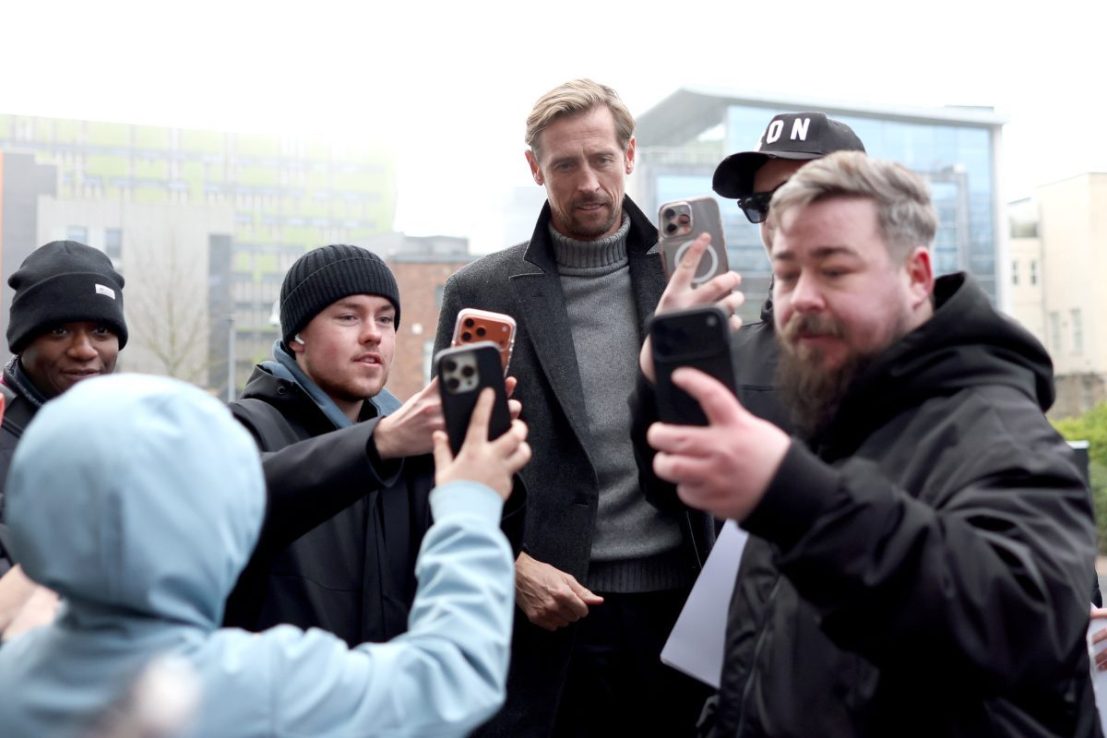
Peter Crouch is proof of something similar. His podcast wasn’t successful because he used to play football, it was successful because he was entertaining and using his football each week as the reference to get people through the door. His unique personality then kept them there and, alongside Chris Stark, he has built one of the biggest sports podcasts in the country and racked up millions of downloads. It is not because people desperately wanted tactical analysis of a cold rainy Tuesday night in Stoke, but because they liked spending time with him. Ben Foster spotted something similar whilst still playing and put a GoPro behind the goal.
His The Cycling GK channel grew to well over a million subscribers and attracted a young audience that, in some cases, barely knew him. That’s the fascinating bit. He wasn’t just talking to Watford fans, he was building a media audience. At points, he was generating levels of engagement that many football clubs could never achieve.
What does a player do to stay relevant?
Footballers need to build something people can keep coming back to every week. Something off the pitch. Something that uses the attention they still have as a player and turns it into something that lasts after football:
- ⁃ Launching a podcast.
- ⁃ Creating a YouTube channel.
- ⁃ Investing in a media business.
- ⁃ Building a community around interests that have nothing to do with football.
A lot of players don’t understand the ‘how’. The bit that actually gives them relevance they can build on after football. The thing that allows them to turn attention into something that lasts.
Some people love the idea of the boots being in the garage and nobody recognising them in the street anymore. But it’s the ones who struggle with that transition that are the interesting case studies. The problem is that many players still see media as something that happens after football rather than alongside it.
Why? Because that’s how they’ve been brought up. And most of the people giving advice didn’t grow up in this generation either, so they don’t fully understand the opportunity sitting in front of them.
But in ten years time, the biggest football media personality probably won’t be the best pundit; they’ll be the player who realised early enough that there is an audience there for the taking.
Football spends twenty years teaching players how to build a career. It spends almost no time teaching them how to survive the end of one. Which is why this year’s World Cup is so fascinating. Not because of who wins it but because one of the players walking out next week is planning or already building the biggest post football career and doesn’t even know it yet.
Calum Hopkins is a director of athlete brand and partnerships, an independent consultant, and growth advisor