EU capitals urge Brussels to ‘swiftly’ sign electricity deal with UK
LONDON — The leaders of five EU countries have urged Brussels to “swiftly” sign a deal to let the U.K. back into the single market for electricity.
In a letter seen by POLITICO, sent earlier this week, the leaders of Germany, the Netherlands, Denmark, Belgium, and Luxembourg say this month’s U.K.-EU summit should set out “a path” to getting the talks over the line as soon as possible.
Last year Brussels and London agreed to start negotiations on the U.K. rejoining the internal electricity market — but progress has been slow going and talks are not expected to be finished by the Nov. 20 meeting.
A group of countries are now urging the European Commission to wrap up discussions by the end of 2027, according to an EU diplomat granted anonymity to discuss internal discussions.
Proponents say the plan would unlock new renewable energy investment in the North Sea and could cut electricity prices.
But the EU says the U.K. would have to make a contribution to EU cohesion funds as the price of participating in the market — a politically difficult ask for London.
Clean energy hub
The leaders, including German Chancellor Friedrich Merz and Dutch Prime Minister Rob Jetten, write that the agreement is “necessary to unlock the full potential of the North Sea” and to “transform it into the largest clean energy hub in the world.”

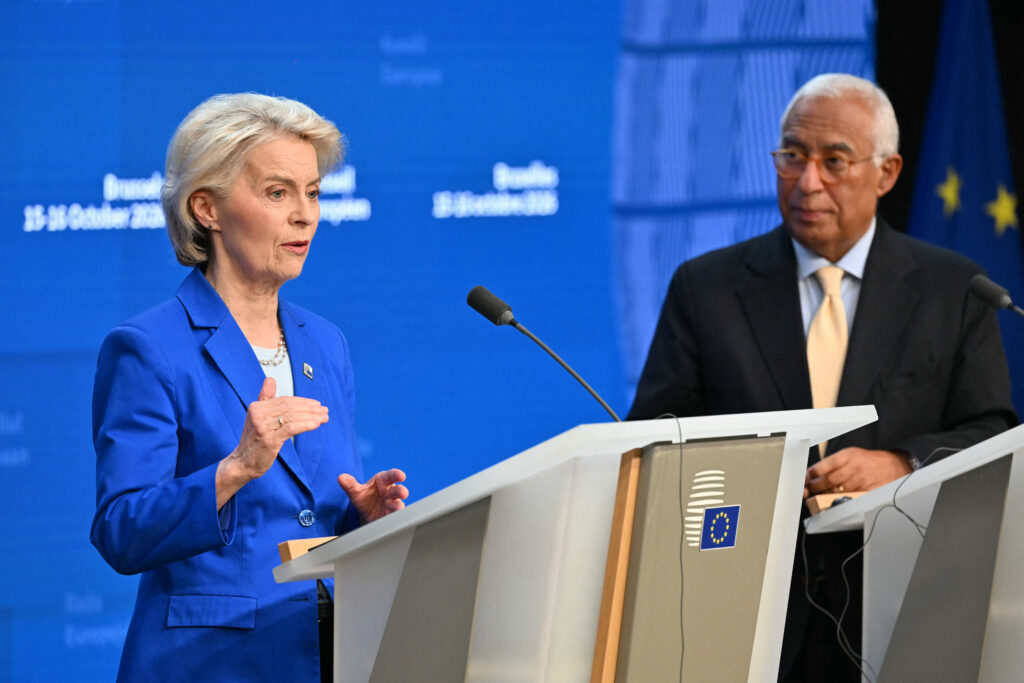
“An agreement will thus enhance Europe’s energy security and contribute to a competitive economy that centres on access to clean and affordable energy,” the letter to European Commission President Ursula von der Leyen and European Council President António Costa states.
“These benefits underline the importance of swiftly concluding the ongoing negotiations. We call on you and the UK to agree during the Summit on a path towards the conclusion of these negotiations.”
Britain’s energy industry says the agreement could help bring down electricity prices in the U.K. — a cost-of-living priority for Prime Minister Andy Burnham.
Energy UK, the industry’s representative body, says that being outside the electricity market will create “additional costs of up to £10bn this Parliament through higher energy bills and lower Treasury revenues.”
The same EU diplomat quoted above, from a country supportive of a swift agreement, said the financial contribution required to rejoin the market would amount to “investing” in market access.
“A larger electricity market will ultimately lead to lower electricity prices in the U.K. And of course, the U.K. is currently facing very high electricity prices,” they said.
“The U.K. would be investing in access to a more integrated, secure and competitive European energy market — bringing lower energy costs, greater investment certainty and huge opportunities for British businesses and consumers.”
Greater security of supply, more price stability, and greater certainty for investors would also be key benefits, they said.
While talks on the internal electricity market are not expected to conclude in time for this month’s summit, the Nov. 20 meeting is expected to see both sides sign off three further agreements on youth mobility, emissions trading and alignment on agri-food rules.
Brussels and London are also expected to issue a “joint statement” at the meeting which will address other issues, including the future of talks on the internal electricity market.