


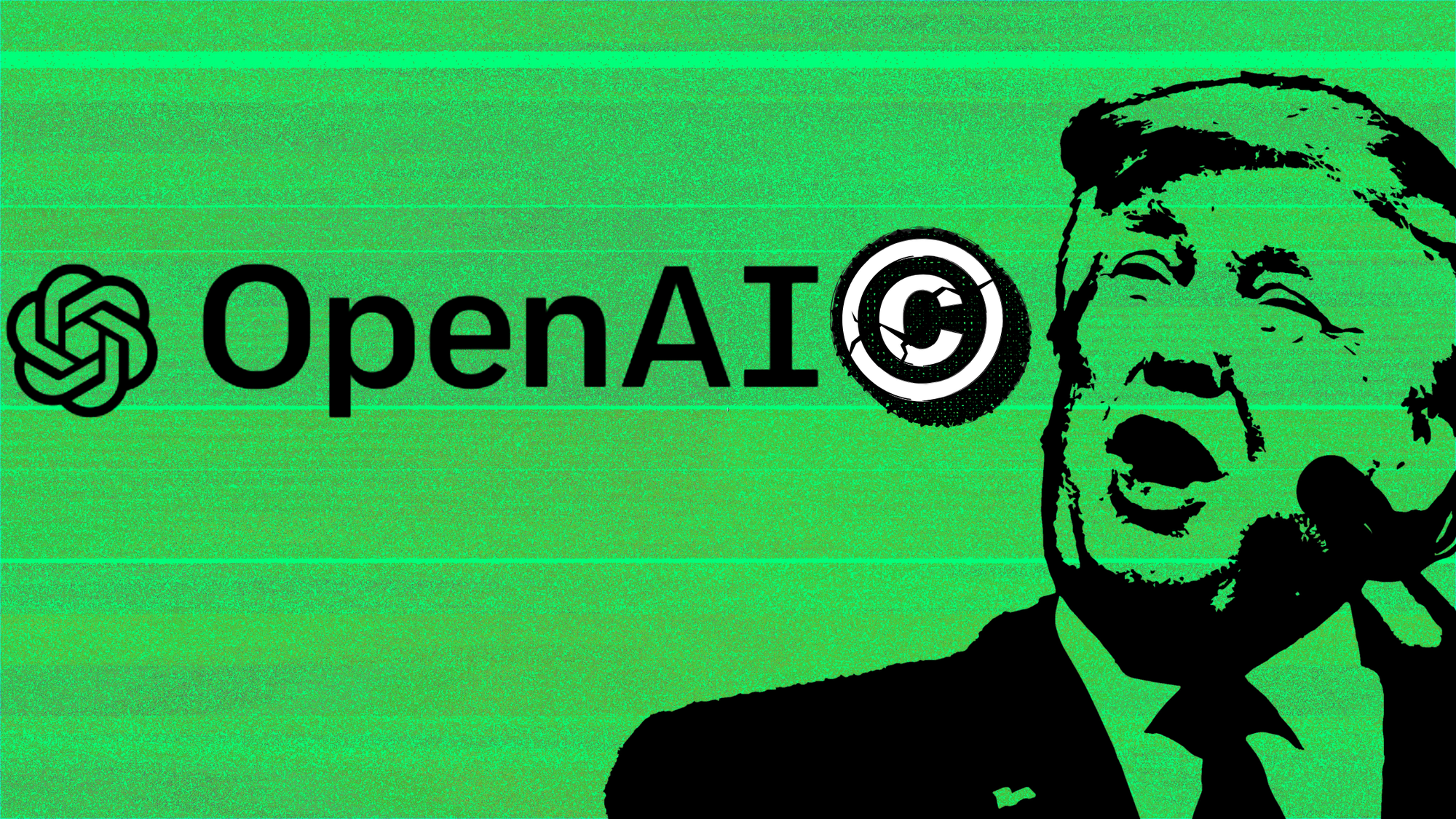
Donald Trump’s DoJ says OpenAI should be able to do whatever it wants with copyright protected works
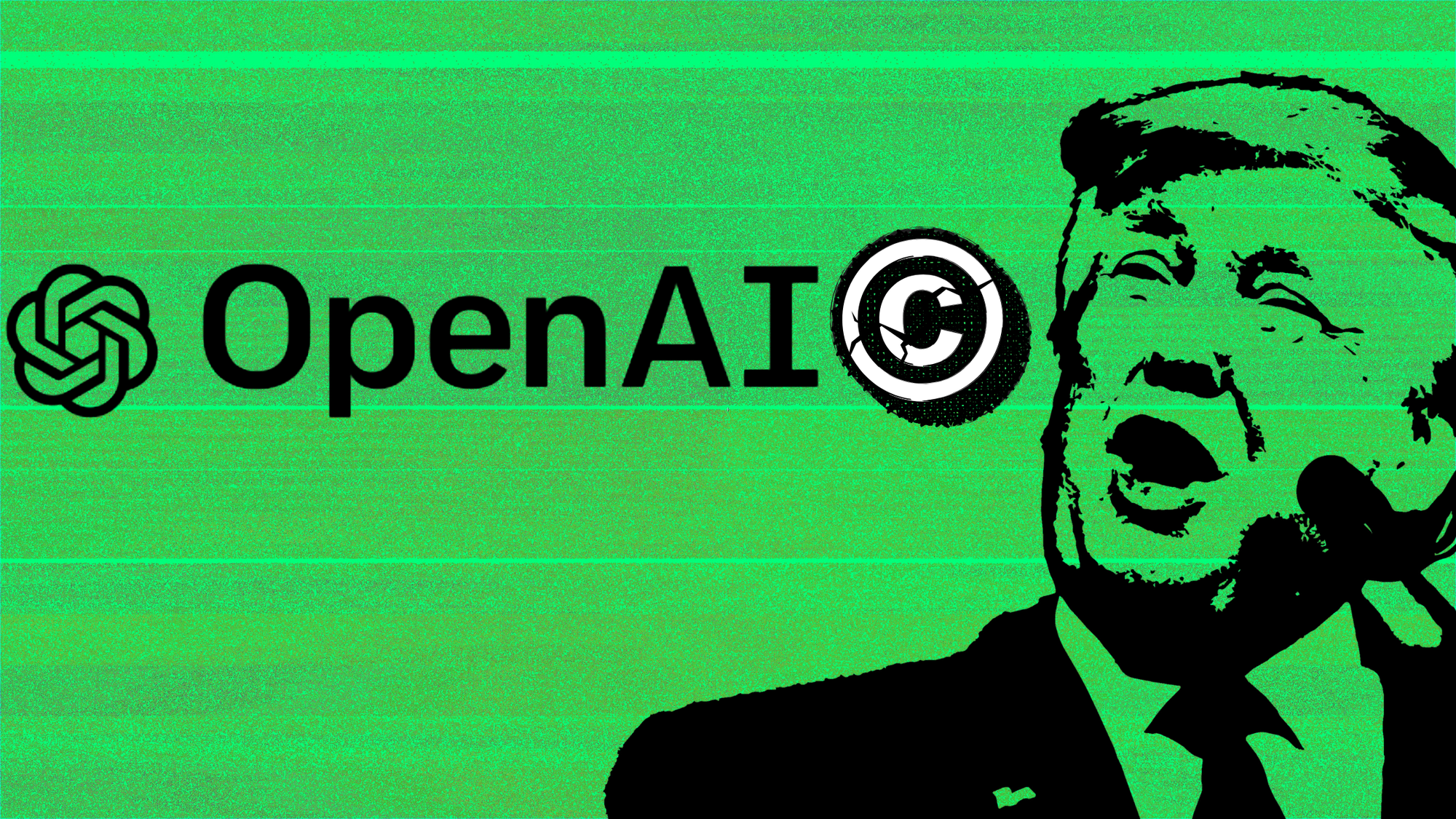
The US government has formally told a New York court why it believes OpenAI training its AI models on copyright protected works constitutes ‘fair use’ under American copyright law.
Which means OpenAI has not infringed the copyrights of the New York Times, or any of the other authors or publishers who are trying to hold the AI company liable for copyright infringement on the basis it copied their works without permission when training its AI models.
“The New York Times seeks to narrow fair use doctrine to exclude the training of OpenAI’s models”, write lawyers from the US Department Of Justice. But doing so, they go on, “would be inconsistent with basic copyright law principles” and “severely hamper” the “progress of science and useful arts”, which is the primary objective of copyright law as far as the US constitution is concerned.
Many AI companies argue that AI training is fair use, which means they do not need to get permission from creators or copyright owners when copying existing works as part of their AI training processes. Creators and rightsholders across the media and creative industries, including the music industry, and the authors and publishers who have sued OpenAI, all strongly disagree.
The dozens of copyright lawsuits filed against AI companies in the US, including those filed by record labels, music publishers and independent musicians, centre on this question of whether or not AI training is fair use. If the copyright owners win those cases, they will be able to force AI companies into lucrative licensing deals to cover past and future training.
Officials in Donald Trump’s administration have generally said that that crucial legal question should be answered by the courts. But the DoJ’s intervention in the copyright lawsuits involving OpenAI makes it clear what answer Team Trump thinks the courts should reach.
And the DoJ’s lawyers do their best to ramp up the drama about what will happen if the courts don’t reach that conclusion. “Constraining” the development of generative AI models via “a misunderstanding of fair use doctrine”, they write, would “thwart creative and scientific progress while hindering American prosperity and economic mobility”.
They also argue that forcing AI companies to buy licences to access training data will favour the biggest tech companies and legacy media businesses over smaller independent players.
“Only the largest technology companies might have the capital necessary to pay licensing fees”, they write. And “such licensing fees would disproportionately benefit legacy media outlets due to the sheer volume of their written publications”.
US judges in other copyright cases involving AI companies have basically agreed with the DoJ’s lawyers, with both Anthropic and Meta successfully defeating copyright infringement claims made by book authors by employing the fair use defence last year.
That said, there remain lots of legal uncertainties regarding the copyright obligations of AI companies and – given the way damages work in US copyright law – if AI businesses start losing copyright lawsuits they could end up having to pay billions or even trillions in damages. Which is one reason why some AI companies have started to agree licensing deals with copyright owners.
In the Meta case, the judge accepted the fair use defence but said that it could have been defeated had the authors made better arguments regarding the ways in which Meta’s AI could dilute the market value of their copyrights.
Under US law there are various criteria that need to be considered when assessing whether or not any one use of a copyright protected work is fair use. A key criteria for consideration is ‘market dilution’. For example, if someone created and released a remix of an artist’s track, that could compete with and dilute the market value of the original recording. So creating and releasing the remix would not be fair use.
With generative AI, the outputs of a model do not directly compete with any one work that was copied when the model was trained. However, in the Meta case, Judge Vincent Chhabri said you could argue that an AI model causes market dilution if its outputs compete more generally with whichever category of works the model was trained on.
So if the AI outputs new books that compete with the existing books used to train the model, that could be market dilution. In music, if AI-generated music takes a share of the finite Spotify royalty pool, meaning there is less money for the human created tracks used to train music AI models, that could be market dilution.
But the DoJ lawyers disagree in their letter to the court. They insist that – to defeat OpenAI’s fair use defence on market dilution grounds – the New York Times would have to show that the AI’s outputs offer “a competing substitute” – and “significant substitutive competition” – for the newspaper’s articles.
Providing the OpenAI outputs do not directly copy elements of the New York Times’ articles, “they cannot cause the relevant form of market harm just because they happen to be ‘in the same genre or category of works’ as the original, given that ‘a genre is an uncopyrightable idea or method of expression’”.
It remains to be seen how much sway the DoJ’s arguments have as the judge considers the copyright claims against OpenAI. And for the music industry, just because a fair use defence works in cases involving the written word, it doesn’t necessarily mean that that defence can’t be defeated in music cases.
However, having Trump’s DoJ submitting such strong support for OpenAI’s fair use defence – and suggesting the ability of the US to capitalise on the opportunities of AI depends on that defence succeeding – is not great news for any of the copyright industries, including the music industry.