Broadridge Expands Digital Assets Platform to U.S. Wealth Managers

Broadridge has expanded its digital assets platform to the U.S. wealth management market, following its launch in Canada.
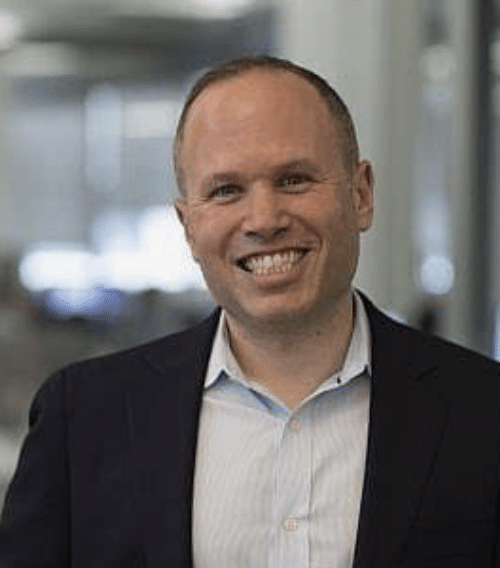
“Scale, efficiency, and process familiarity is key for wealth firms while enabling the new assets – crypto or tokenized securities,” Rob Krugman, Chief Digital Officer at Broadridge, told Traders Magazine.
The expansion, announced on Monday, September 14, brings the platform to the U.S. wealth management market, including broker-dealers, registered investment advisers and wealth managers. The platform is designed to allow firms to offer cryptocurrencies and tokenized securities alongside traditional investments through a unified operating model, according to Krugman.
He said using existing workflows can help with adoption across wealth firms, allowing advisors, investors and operational staff to work within familiar systems. Wealth managers and advisors can also maintain a complete view of client relationships and holdings without having to manage across multiple platforms, he said.
“We believe traditional and tokenized assets will coexist for a long time, hence unified platform across all assets is key to reduce cost and operational complexity of managing different infrastructure,” Krugman said.
The platform is initially supported by Anchorage Digital and Galaxy Digital and covers cryptocurrencies as well as tokenized real-world assets, including equities, funds and private or alternative investments. Broadridge provides tokenization and digital assets infrastructure through its DLX platform.
Krugman said Broadridge is seeing significant demand in repo financing: “We have seen significant demand in repo financing and our Digital Ledger Repo (DLR) solution processes $350 billion+ in daily repo activity,” he said.
The firm is also seeing momentum in tokenized funds, particularly money market funds, while on-chain money is becoming more relevant as payments and funding use cases develop.
Interest in the tokenization of equities, alternatives, private investments and funds also continues to grow, according to Krugman, but access remains an issue. “One of the challenges the markets face is that broker dealers have not yet rolled out the required infrastructure to enable their clients to participate,” he said.
Krugman expects that to change over the next year as broker-dealers integrate wallets, custody and trading capabilities with existing books and records and account structures. “Over the next year we anticipate many broker dealers will enable their platforms through the integration of wallets / custody and trading capabilities connected to existing books and records and account structures which will enable investors to participate in digital markets through the same wealth firms they use today,” he said.
For wealth managers, the operational requirements extend beyond providing clients with the ability to trade digital assets, he said. “The challenge is not simply adding trading capabilities,” Krugman said. “Firms need secure and reliable digital assets infrastructure such as custody and wallets, client reporting and tax support, all connected to their existing books and records.”
Firms also need the same level of supervision, disclosure, governance and client protection they apply to traditional assets, while managing traditional and tokenized positions side by side, according to Krugman. “Scaling integration beyond one digital asset custodian & liquidity provider based on the type of assets and blockchain Wealth firms want to onboard is a challenge and requires orchestration across the ecosystem,” he said.
The continuous nature of digital asset markets also changes the operating requirements for wealth firms accustomed to traditional market hours, according to Krugman. “It changes the operating model. There could be meaningful activity outside traditional hours. Firms therefore need ‘always-on’ infrastructure with the ability to manage capital, liquidity, risk and servicing capabilities accordingly.”
While instant settlement reduces the operational burden on each transaction, Krugman said it extends the window during which settlement takes place and requires an enhanced operating model.
Broadridge’s platform includes integrated wallets and institutional-grade custody, including omnibus and segregated wallet structures and multi-custodian capabilities, he said. It can integrate with existing Broadridge or third-party books and records systems and support downstream services including regulatory reporting, statements, confirmations and tax.
Krugman expects digital assets to develop both as distinct investments and as infrastructure through which traditional assets are issued and managed. “In the near term, we anticipate it will be both. Crypto and digital assets will remain distinct allocations for many clients, but tokenization will increasingly become part of the infrastructure through which familiar assets – funds, equities and private investments – are issued, held, traded and serviced.”
“We believe the future is a hybrid model. Broadridge is focused on helping wealth firms bring traditional and digital assets together in one environment, with the same client experience, controls and service model they already rely on,” Krugman concluded.
The image for this article was generated using AI.