An ode to the chaotic euphoria of algorithm-free shopping at Paris’s grand flea market
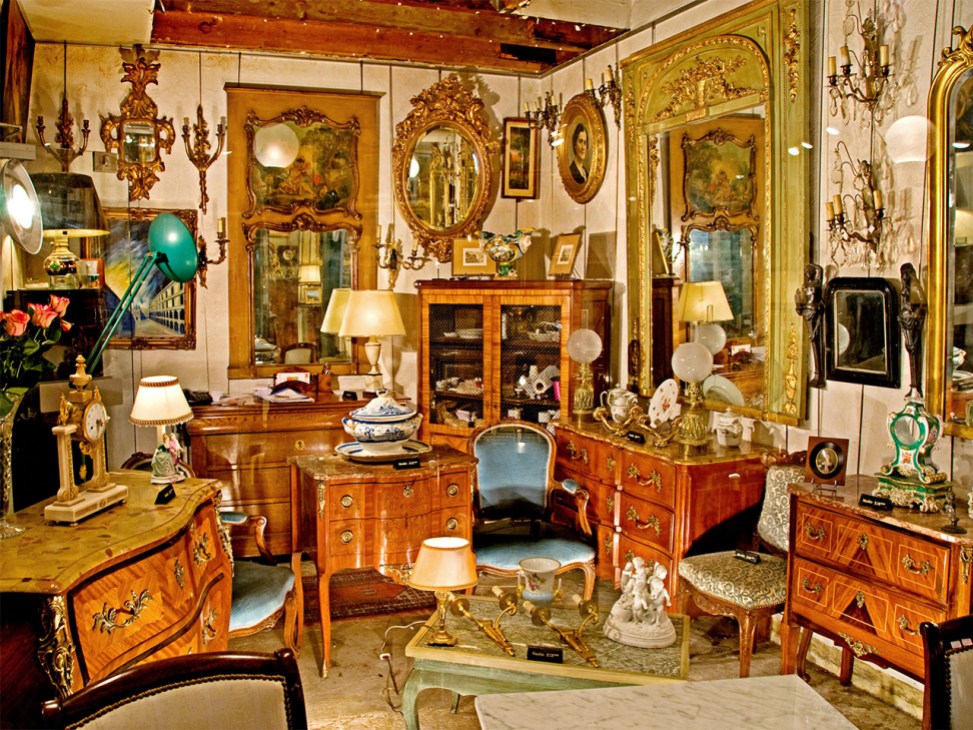
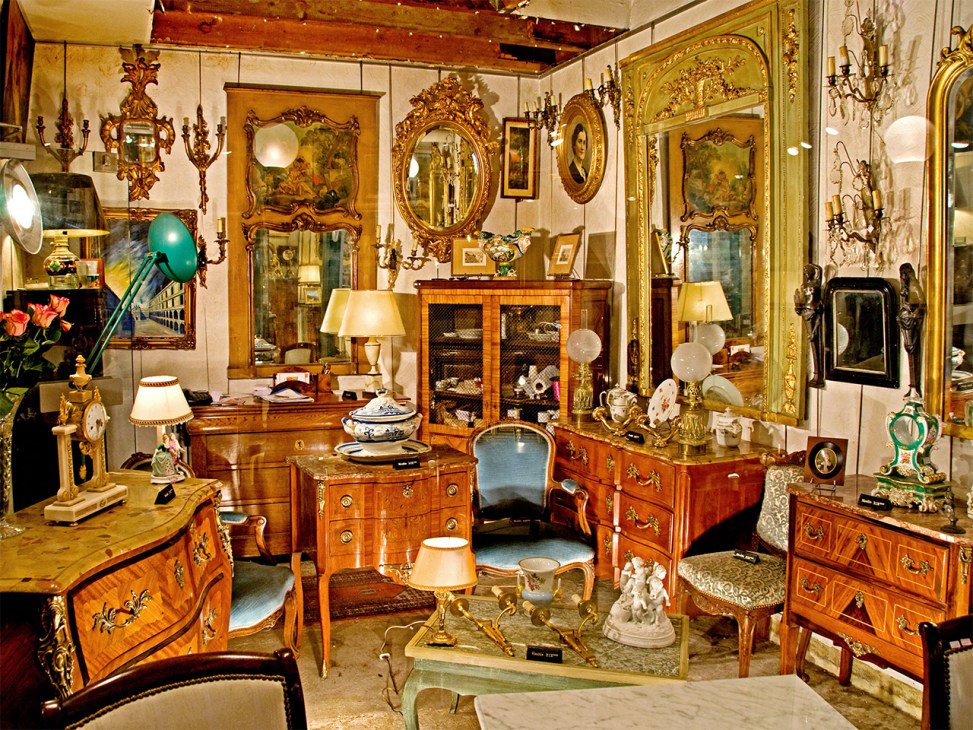
The grand Paris flea, Marché aux Puces in the little town of Saint-Ouen, is a defiantly grubby, un-air-conditioned counterpoint to the instant gratification of online purchases and chain-store homogeneity. Shopping here is a gamble – there are 16 acres of clothing, furniture, art and every kind of memorabilia waiting, and there’s no AI search function that will substitute for walking the dusty aisles, pawing through piles of old and very old things, and conversing with the eclectic shopkeepers selling their wares. I have shown up hell-bent on finding a mid-century end table and instead left with a 1940s skirt that made me feel like a movie star. I browsed and fell in love. A flea market coup de cœur.
The world’s largest flea market is a maze of human history that answers to no algorithm. Where else would you seriously consider buying 16 tiny silver dachshunds on which your guests could rest their knives so they don’t stain the tablecloth, even though you live in a 400 sq ft apartment? And how else would you ever meet Laila, a vendor with a collection of embroidered French Revolution-era waistcoats so beautiful that it’s worth risking your life on the Périphérique just to touch one? Here you can visit the merchant who dresses like Steve McQueen (a perplexingly beloved figure in France) and sells McQueen-style clothing displayed on odd McQueen mannequins of varying stature. None of this is rational – and therein lies the delight. The experience is the opposite of frictionless online shopping, in which every barrier between you and exactly what you want – or what someone wants you to want – has been erased.
The digital virus that has decimated bricks-and-mortar shops in cities across the US and Europe hasn’t killed the appeal of the world’s largest vintage and antiques market. Au contraire: five million people arrive at the Marché aux Puces de Saint-Ouen every year, making it the fifth most visited site in France (the most visited country in the world).
Whatever I buy at the flea feels more valuable because of the effort, not despite it. It’s the Ikea effect: we place more value on things that we have worked for – assembled, hunted down, bargained for – than on items that magically appear at our door. In-app purchases are now so seamless that I have ordered the same hair-curling device twice because the experience was so slick and so forgettable. These are the one-night stands of material fulfillment, offering the briefest and most hollow of dopamine hits in return.
Businesses today have started to figure out that we’re craving connections and experiences more like the flea and less like instant transactions and a concept unfortunately dubbed “retailtainment” is being presented as the alternative to online shopping. Many US malls are turning into full-blown theme parks: the American Dream mall in New Jersey opened an indoor ski slope alongside cold rooms where you can try on winter coats. Some also offer virtual fittings (which would seem to defy the point of going to the shop but why quibble). There are restaurants inside furniture ateliers and immersive art installations inside restaurants. But the scheme is working: people spend more time and money in physical shops when “retailtained”. Saks Fifth Avenue, which filed for bankruptcy earlier this year, is hoping to make a comeback with a focus on personalised white-glove experiences.
But surely the most elusive, luxurious and entertaining experience of all is to buy something unique with a good story. Last year my daughter purchased a blue work dress from the 1930s. Made of sturdy cloth and mended in half a dozen places with careful, tight stitches in a darker thread, it shows visible evidence of thrift and survival – traces of the women who wore it almost a century ago. And its history now includes me and my two kids, how we discovered it (thanks to a rumpled lady with a Slavic accent tucked behind a stack of 19th-century French culottes), and how we hauled it and other treasures from the flea back to Paris via a grimy underpass. Now the very old French dress is in Brooklyn, a bit of fabric connecting continents, decades and the three of us.
In a world of algorithmic recommendations, one-click purchases and Instagram advertising, the joy of retail therapy can be rediscovered through the kind of shopping that slows us down.
Susanna Schrobsdorff is a former New Yorker who now lives in Paris. She writes the It’s Not Just You newsletter on Substack. She was previously an executive editor at ‘Time Magazine’.
The post An ode to the chaotic euphoria of algorithm-free shopping at Paris’s grand flea market appeared first on Monocle.