The Secret Language of Quiet Luxury
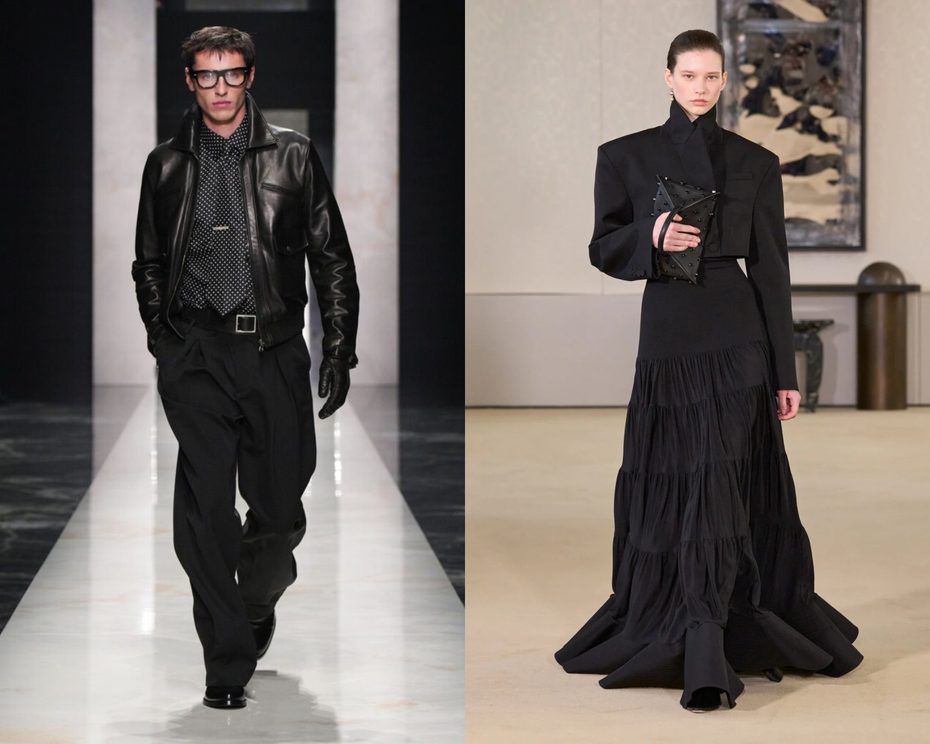
Quiet luxury has a visibility problem. An aesthetic built around discretion has become one of the most recognisable expressions of contemporary luxury: restrained silhouettes, exceptional fabrics, minimal hardware and few obvious logos. What once communicated understatement now has a familiar visual vocabulary, replicated across almost every level of fashion.
The more interesting question is therefore no longer what quiet luxury looks like, but what remains when the look itself becomes easy to copy.
Increasingly, the answer lies beneath the surface. Material, construction, provenance, proportion and specialist craftsmanship reveal distinctions a photograph may miss entirely. Recognition requires closer attention, turning knowledge itself into a form of exclusivity.
Current luxury spending supports the shift. BCG’s 2026 consumer research found design and aesthetics, craftsmanship and quality of execution, and timelessness were the leading drivers behind luxury purchases. Logo visibility ranked last across product categories. Quiet luxury, then, may be becoming quieter in a more meaningful way.
The Logo Disappears, but the Codes Remain
Luxury has always communicated through codes. A monogram simply made the message easier to read.
Remove it and other identifiers take over: the cut of a coat, the weave of leather, an unusual fibre, a particular fastening or the proportions associated with a specific house. For an informed observer, these details can be as recognisable as a logo.
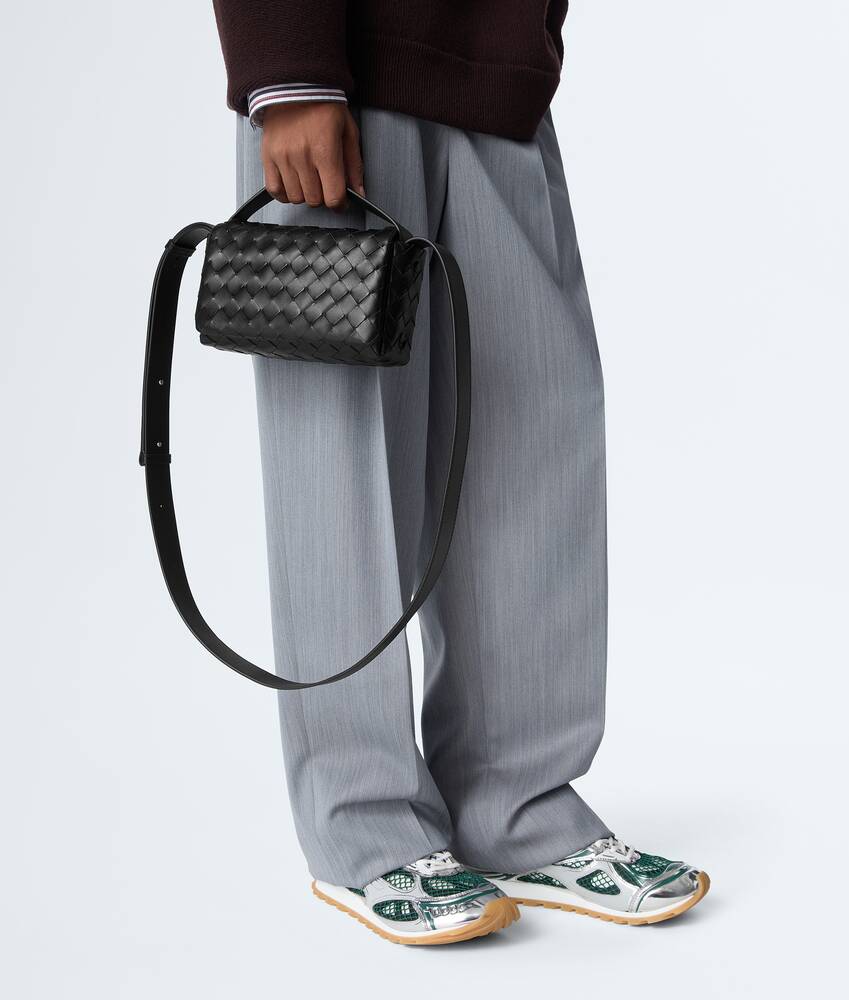
Bottega Veneta’s Intrecciato offers an obvious example. The woven-leather technique has been a house signature since 1975, yet its identity comes from craft rather than repeatedly displaying the brand’s name. Different materials, treatments and scales allow the weave to evolve without losing its recognisability.
This reveals the central paradox of quiet luxury. Discretion does not remove status signalling; it narrows the audience capable of reading it.
McKinsey’s 2026 luxury research suggests exclusivity is increasingly moving in precisely this direction. Consumers surveyed in the United States and China were less motivated by simple scarcity than by recognition, access and experiences capable of signalling membership within an informed circle. The report describes the appeal of being recognised by the right people rather than everyone. The status signal survives. Its volume simply drops.
What the Photograph Cannot Show
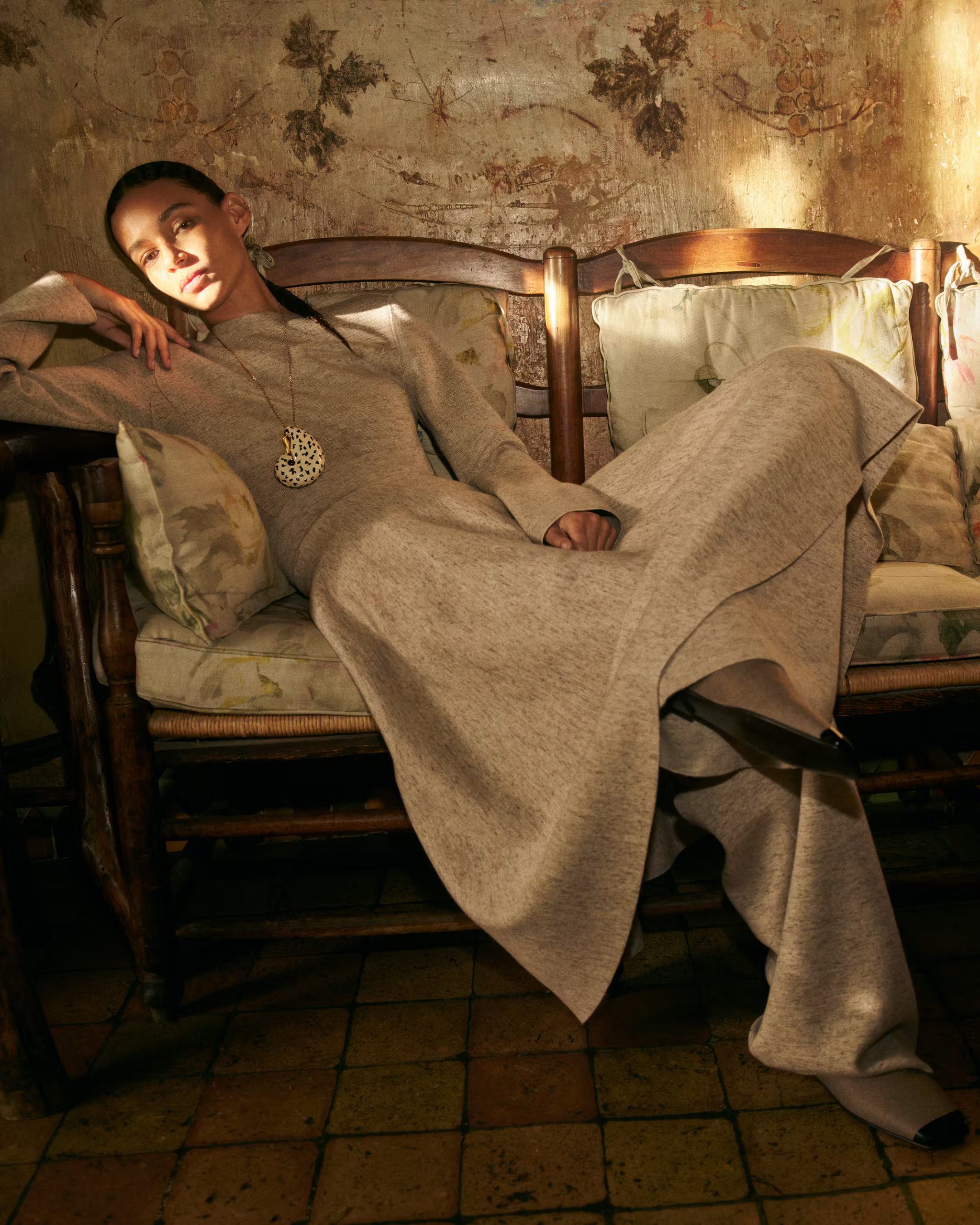
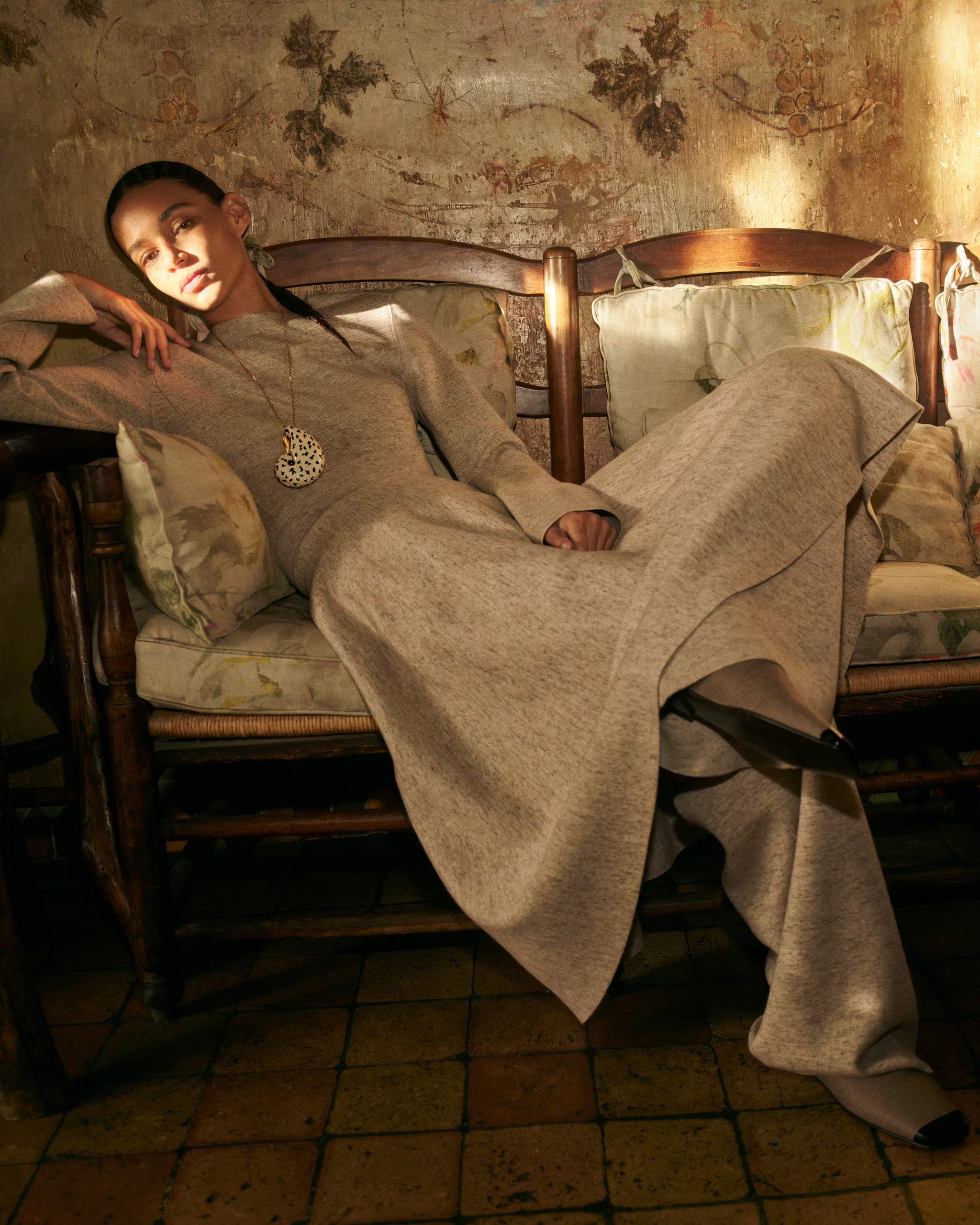
The more interesting codes become harder to see. Two cashmere coats may appear remarkably similar on a screen, yet the resemblance says little about fibre length, sourcing, construction, hand finishing or how either garment will behave after years of wear. The closer luxury moves towards simplicity, the more heavily its value depends on details invisible at first glance.
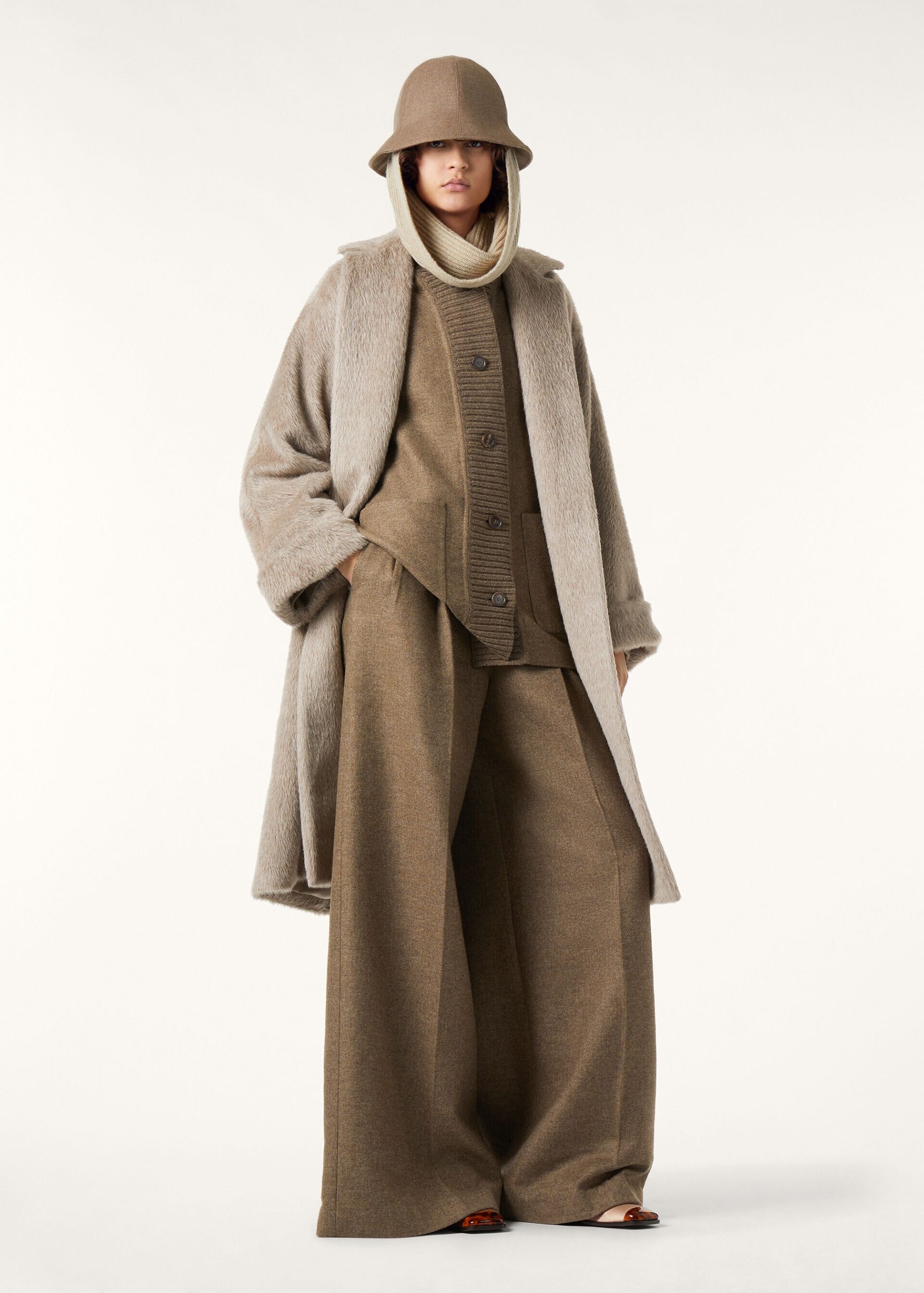
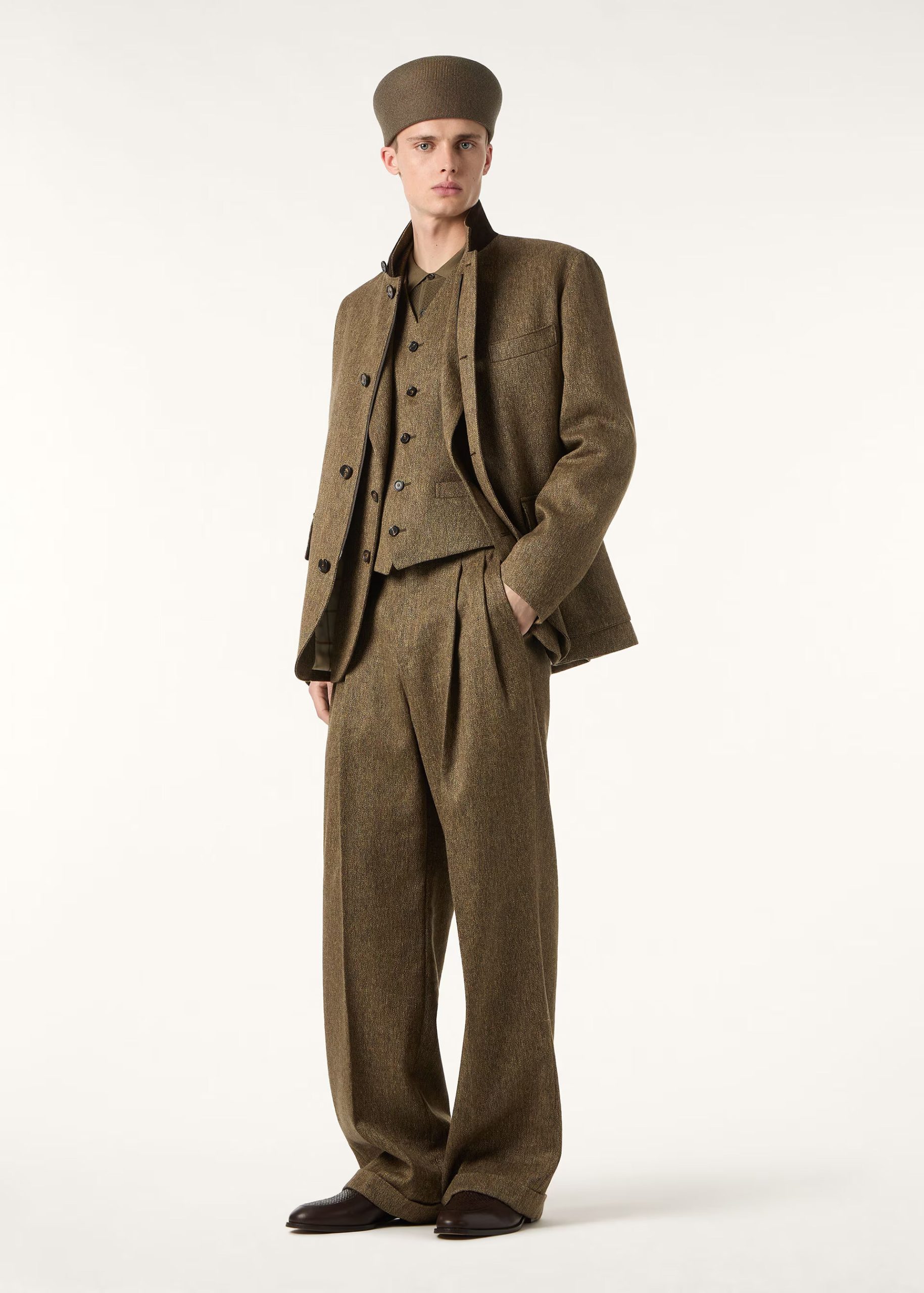
Images courtesy of Loro Piana.
Loro Piana illustrates the distinction through its long relationship with cashmere. The house traces its sourcing to Mongolia and Inner Mongolia and operates its only mill outside Italy in Ulaanbaatar, where initial processing takes place. The fibre itself comes from the soft underfleece developed by cashmere goats to withstand extreme climates.
None of this necessarily announces itself from across a room. That is precisely the point.
At a time when luxury’s value equation is facing greater scrutiny, hidden quality matters more. McKinsey’s State of Fashion 2026 notes that repeated price increases have put pressure on perceptions of value, prompting leading houses to invest more heavily in supply chains, specialist skills and artisanal know-how. The mystery of quiet luxury begins where the image stops being enough.
When Understatement Becomes a Uniform
Quiet luxury’s success also created its biggest weakness. Neutral palettes, simple leather goods, cashmere knits and restrained tailoring can now be reproduced at almost every price point. None of those visual characteristics alone proves exceptional quality.
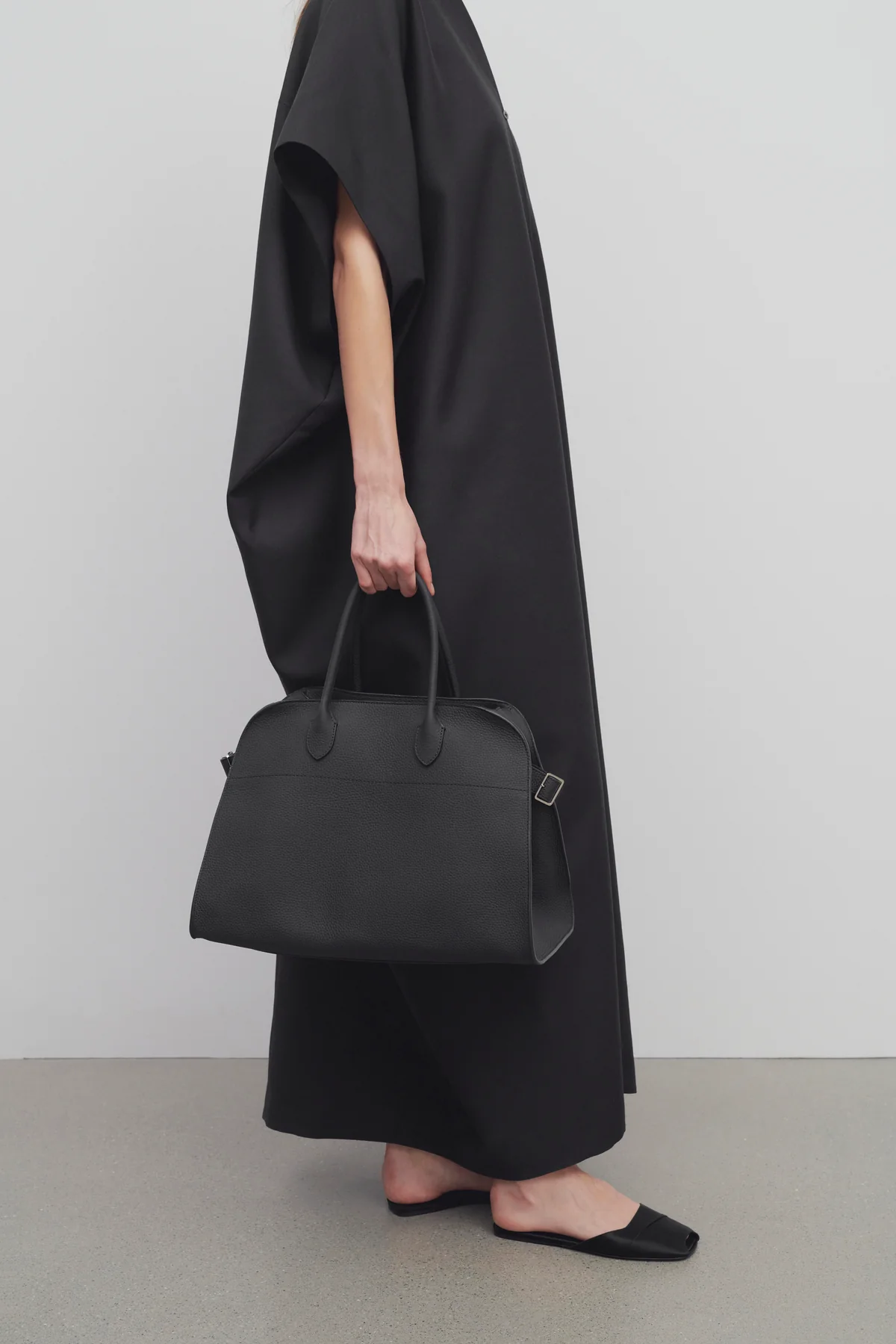
The distinction between looking quiet and being luxurious consequently becomes important. Minimalism can be copied quickly. Material integrity is harder to reproduce. A silhouette can be imitated; decades of textile knowledge, leatherwork or tailoring expertise cannot be acquired with the same ease.
This does not make accessible interpretations illegitimate. It simply exposes the limits of treating quiet luxury as an aesthetic formula. If beige, minimal branding and clean lines are enough to qualify, the term eventually loses much of its meaning.
The luxury industry’s response therefore has to go deeper. BCG’s latest findings suggest consumers are already looking there: craftsmanship, quality and lasting appeal rank ahead of overt signalling. Quiet luxury needs substance beneath the silence.
Recognition Becomes the Reward
There is another reason discretion remains powerful: recognition feels different when it has to be earned. A highly visible logo communicates efficiently. It requires little prior knowledge from either wearer or observer. A discreet object asks more. Someone must recognise the material, silhouette, craftsmanship or reference before the signal becomes legible.
This creates a peculiar form of exclusivity. The pleasure may lie partly in knowing others will miss the point.
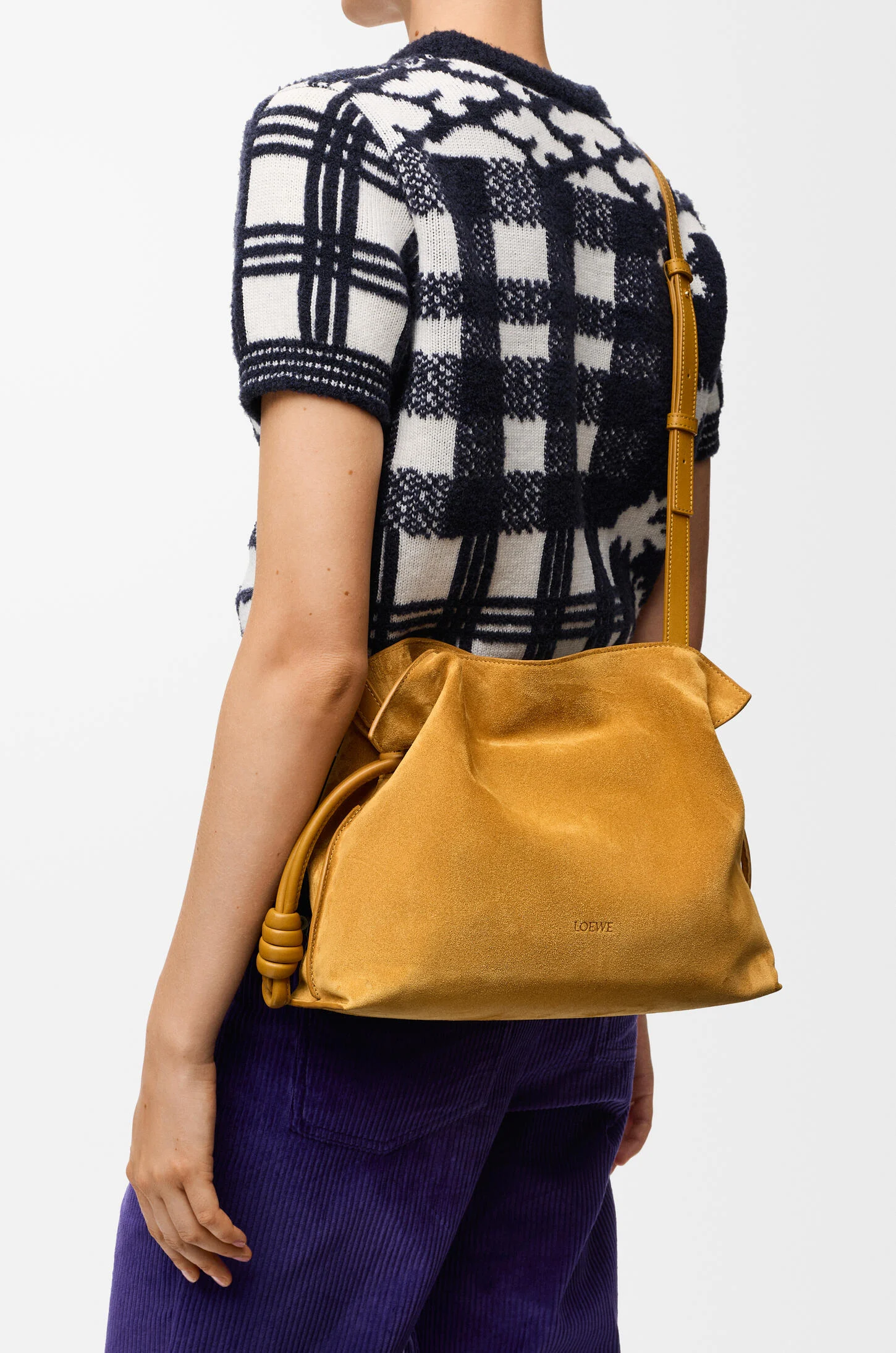
McKinsey found challenger brands can sometimes be perceived as more exclusive than established houses because distinction increasingly comes from cultural relevance and the sense that an object is not already everywhere. Resale also plays into this appetite, with established luxury consumers using secondary markets to locate archived, rare and difficult-to-find pieces rather than simply hunting for lower prices.
For the connoisseur, discovery becomes part of ownership. The unusual reference, forgotten collection or exceptional material offers something a universally recognisable purchase cannot: the satisfaction of knowing why it matters.
The Customer Knows More Than Before
Digital culture complicates this further. Luxury clients can now investigate products long before speaking to a sales associate. AI tools, resale platforms, collector communities and peer recommendations make it easier to compare specifications, provenance, pricing and history.
McKinsey finds AI increasingly entering the luxury discovery process, particularly as consumers compare products and investigate differences before visiting boutiques. BCG similarly identifies quality, authenticity and transparency as increasingly important foundations of consumer trust.
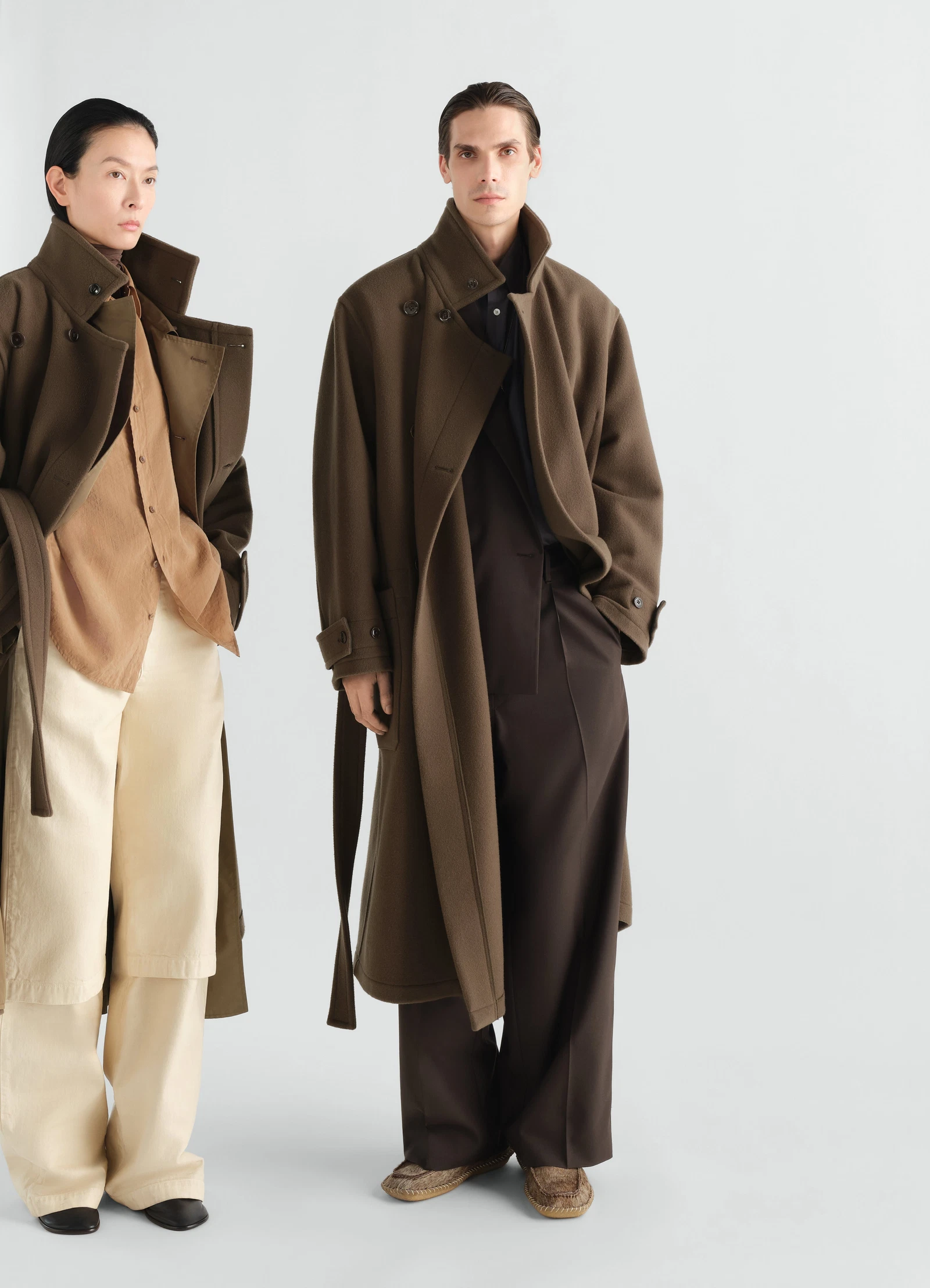
This means mystique can no longer depend on withholding information. The modern luxury customer may appreciate secrecy, but opacity is something different. Provenance needs to withstand scrutiny. Craftsmanship needs substance. A premium needs an explanation, even when the explanation remains invisible in the final object.
Therefore, quiet luxury becomes less about mystery through concealment and more about mystery through discovery.
Quiet Luxury Moves Beyond Appearance
Perhaps the most enduring version of quiet luxury has very little to do with how somebody dresses.It appears in the relationship surrounding the purchase: the trusted adviser who remembers a preference, the private appointment arranged without fanfare, the specialist who understands provenance or the after-sales service continuing long after the transaction.
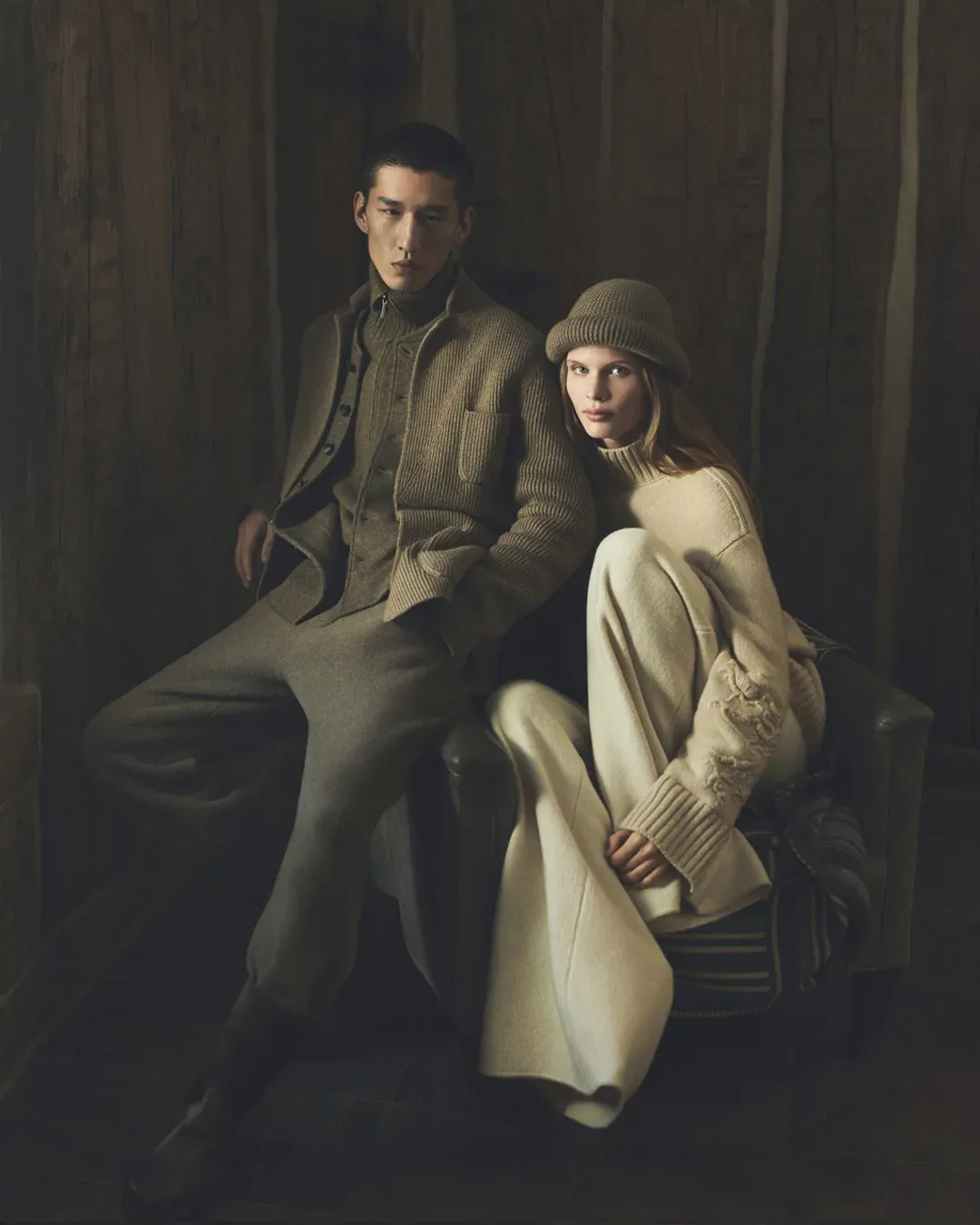
These experiences rarely photograph well, which may be exactly why they matter. Luxury has spent years maximising visibility. Yet the next expression of exclusivity may involve knowing when visibility adds little.
The secret of quiet luxury has never been silence for its own sake. Its power lies in revealing more the closer someone looks. As understated aesthetics become easier to reproduce, the mystery moves deeper — into craft, provenance, service and the knowledge required to recognise the difference.
Quiet luxury still speaks. It simply chooses its audience.
For more on the latest in luxury fashion and style reads, click here.
The post The Secret Language of Quiet Luxury appeared first on LUXUO.