


Hargreaves Lansdown warns Healey: Don’t ‘penalise investors’ with capital gains hike
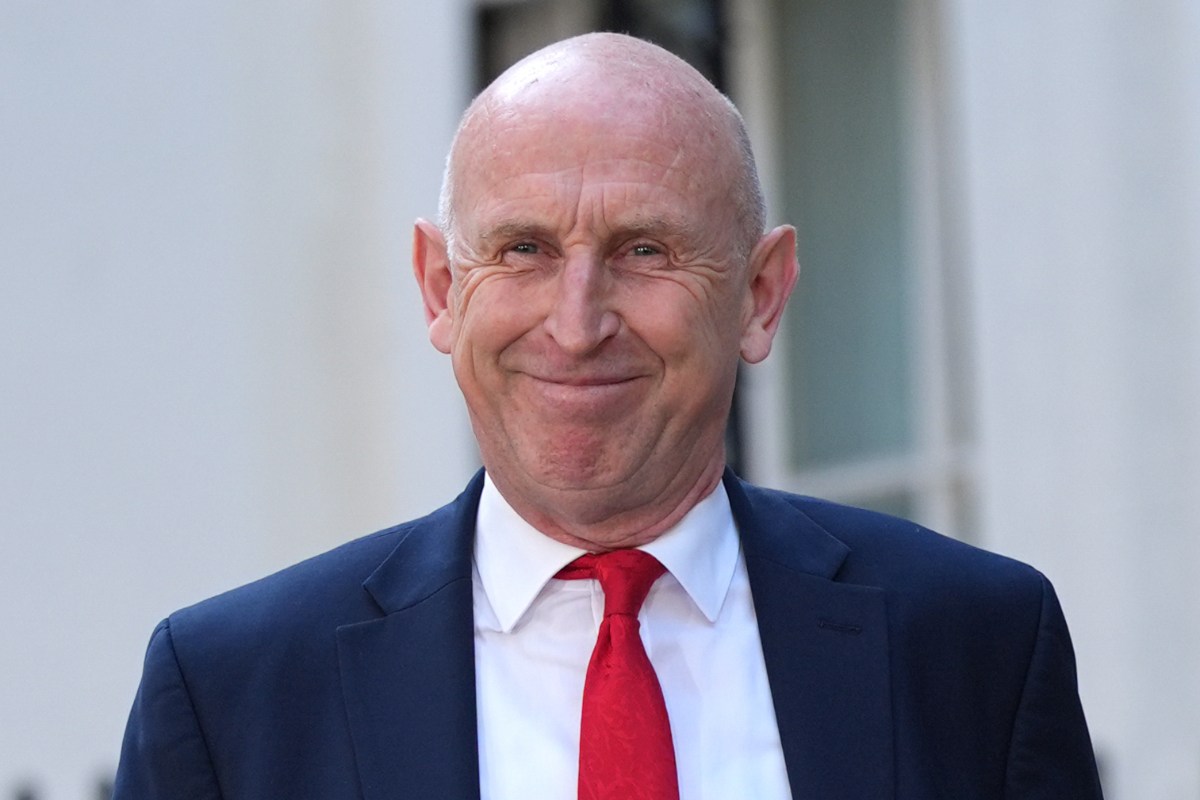
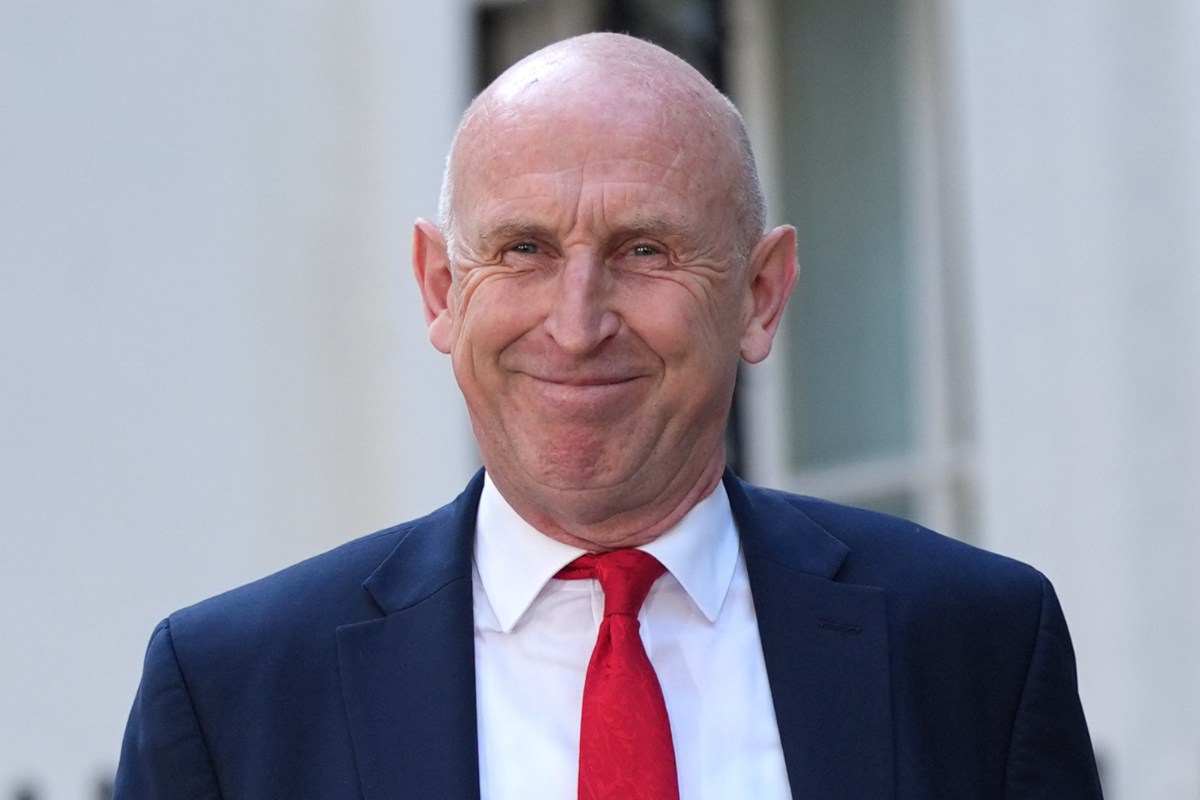
A leading investment platform is urging chancellor John Healey to not “penalise investors” at the upcoming Budget, as Brits brace for potential tax hikes.
Anna Macdonald, investment strategy director at Hargreaves Lansdown, said fresh upheaval to the tax system could discourage investment in the UK at a time when economic growth is needed.
In particular, Macdonald pointed to a possible shake-up in capital gains tax (CGT), arguing it would be “counterproductive”.
A potential increase to CGT has been a leading concern amid Budget speculation. It is currently charged at 18 per cent to 24 per cent on most gains, including shares, funds and residential properties depending on tax band.
Rumoured proposals indicate possibly aligning CGT rates with income tax rates of 20 per cent, 40 per cent or 45 per cent for some taxpayers, while a broader reform on the levy could also be on the agenda.
In an interview with City AM, Macdonald said: “We do seriously think that it would be disruptive to UK investors…even Treasury projections show that is kind of a counterproductive thing to do. We really hope it’s not going to be in the Budget”.
“Let’s not penalise investors for investing in the market and taking a risk.”
Macdonald’s warning echoes that of the investment platform’s chief executive Matt Benchener, who has previously said the UK does not need “higher taxes on investments”.
Fiscal headache
Chancellor John Healey will deliver his maiden Budget on October 28, and fears of tax hikes have grown amid his pressing need to balance the books.
Economists have forecasted that Healey’s headroom, which was at £23.6bn in March, has shrunk in the wake of the conflict in the Middle East.
This means spending cuts or tax hikes would be needed to meet the fiscal rules, while Healey must also grapple with Burnham’s pricey spending commitments including nationalising Thames Water and scrapping VAT from energy bills.
Macdonald said the firm recognises “the fiscal position is very stretched” given Labour’s manifesto commitment to not raise VAT or income tax rates, but does not think that hiking CGT or other wealth taxes is the best approach.
“The manifesto laid out where you couldn’t raise taxes, so you’re left with a smaller pool,” she said.
“It’s not surprising that they tend to go in that area and…unfortunately the conversation is very popular. A popular tax [rise] is not necessarily one that is actually the best thing for the economy.”
But she urged investors to not make snap decisions in the lead up to the Budget, echoing calls from prior years after investors opted to take their tax-free cash lump sum as rumours arose in the lead up.
Stamp duty scrap
Macdonald also urged Healey to scrap stamp duty on UK shares, in order to make the domestic market more competitive and attractive to investors.
Former chancellor Rachel Reeves introduced a three-year stamp duty exemption for newly listed UK companies in last year’s Budget, but the 0.5 per cent tax remained on all other established UK shares.
Macdonald argued this does not “make sense”, and ultimately incentivises Brits to allocate capital into international stock markets, while the London Stock Exchange continues to grapple with delistings and an IPO exodus.
“There’s been a huge number of companies leaving the market, they’re either releasing, they’re being bought by other companies.
“We will miss it when it’s gone if we don’t look after this ecosystem.”