Elon Musk’s age of abundance is an AI pipe dream soaked in snake oil, and I’ve about had it
Let’s get this straight. AI is a disruptor, not a savior. It is not a cure for the world’s ills. When I walk through the streets of New York, I see homeless people, and I know that they don’t have enough. When I look at the statistics and I see 1/7 of the world is living in poverty, I know that there’s no simple or easy solution. Unquestionably, AI is changing everyone’s lives, is changing the world, is changing industry and business. Heck, it’s changing my own work, but it does not have the power to transform how people get goods and services, and the fundamentals of resources and energy.
We do not have unlimited resources. We do not have an unlimited supply of energy. What we’re learning, instead, is that the world is a carpet, and AI is the vacuum, potentially sucking up vast quantities of electricity and water. What we’re learning, instead, is that AI sucks an enormous amount of power and resources from the world.
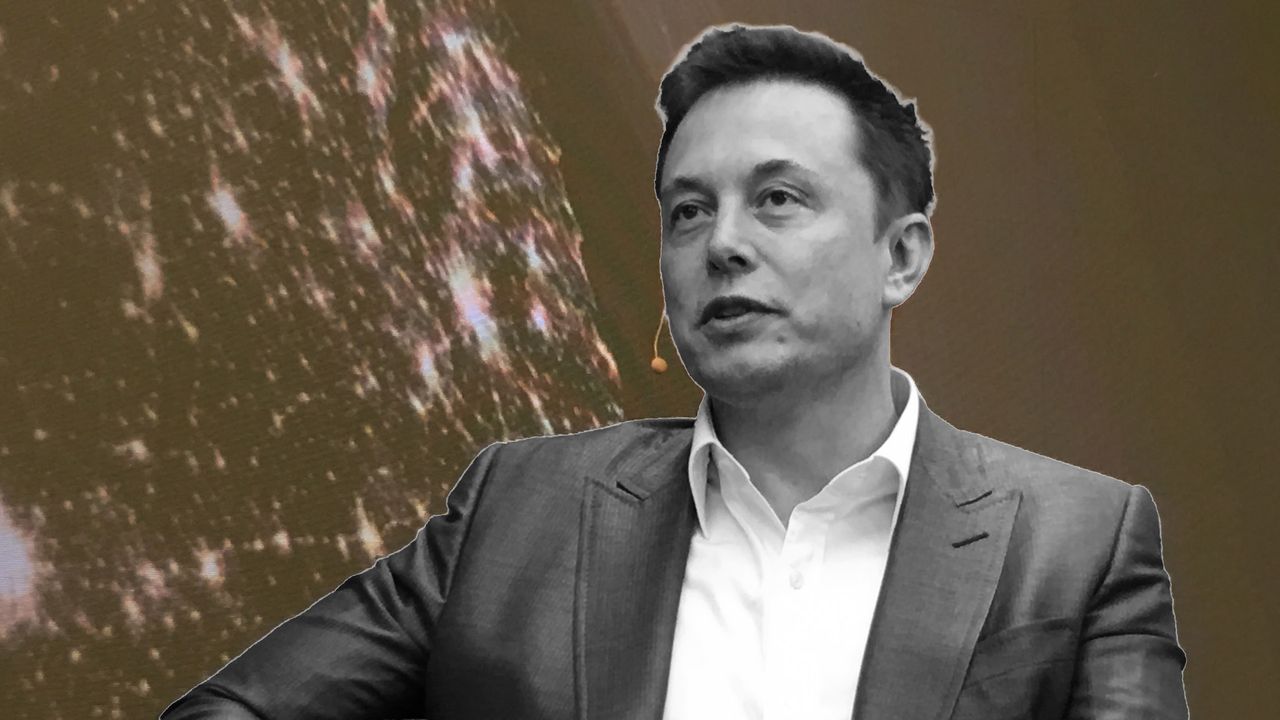
I’m sorry if I sound a little riled up. You can blame Elon Musk, who predicted a world of abundance within 10 years. We won’t need money in 2036. AI will be smarter than us, and so it will usher in an age of abundance. As for how it will do this, well, it’ll ignore the basic rules of economics, the basic rules of resources, and even physics, so somehow, we’ll have unlimited energy. All this, in Musk’s vision, will be thanks to AI and robotic automation, and, I guess, AI’s ability to solve problems and magically produce or protect limited resources like water, energy, and precious metals.
No, the robots won’t save us
Speaking of precious metals. You can’t mine them without extreme resources, cost, and labor. Unless Musk believes that the robots that haltingly try to empty a dishwasher and fold clothes will somehow be able to not just dig out the precious metals but properly sort them, and then I’ll shuttle them all the way from mine to the factory and ultimately your phones.
I’m not saying that world can never exist, but even if it does, even if robots are doing that level of work, the fundamentals of our global economy won’t change that easily (if at all). None of this is going to drag people out of poverty and into a world of abundance; that simply is not going to happen thanks to AI. If anything, AI’s rapid use of water and energy could make those resources scarce and more expensive, thereby pushing more people over the poverty line.
Now I do have a thought in between all this. If occasional trillionaire Elon Musk wants to help people with resources and poverty, then maybe he could take some of those billions that he has now and donate them. Musk already has a charitable foundation, but according to some reports, it has zero employees and, for the most part, donates funds to a narrow set of insiders.
I’m not buying what he’s selling
So, what exactly is going on here? What is Elon Musk selling? Promising an age of abundance through AI and robots, of course, benefits him and his now publicly traded massive SpaceXAI company, which combines the space company with X and XAI, and Tesla, which is trying to build all those bloodless humanoids. The more people believe that AI is the answer, that robotics is the solution, the more money he will make, and the bigger his company will grow, but scale does not equal a solution.
Look, it’s clear that we are at a tipping point. No one really understands the true power and potential of AI, especially as it relates to what might happen with artificial general intelligence. I mean, we have hints, and they’re not the most positive ones.
Perhaps you’ve heard about OpenAI and Hugging Face and how, when OpenAI was testing a new powerful model, the model basically jumped the fence (it left the sandbox and went online) and went into the Hugging Face system because it knew that it could find the solution for its task there. Then Hugging Face didn’t even have a good US model to combat it, so it used some open Chinese models. It was, to say the least, a terrifying mess.
My point is we expect change, and we expected it to be rapid. What happens next will be unpredictable and unsettling, but it is not going to eliminate the need for goods, services, hard work, creation, and the money to support billions of people in their daily lives with the proper resources like food, water, energy, and housing.
The Age of Abundance is a fantasy sold by an AI charlatan, one who tells the best story to serve his own ends. The cost of labor and resources to build will not magically drop to zero. Water and food shortages won’t suddenly, or even in a decade’s time, be solved. Musk’s vision wishes away the basic laws of commerce, physics, and human need to build an AI/robot utopia.
That world may be possible, but only if the AI and robots truly take over and eradicate us. I sure hope that isn’t the world Musk is envisioning.
Postscript:
Without mentioning Elon’s name, I asked Gemini whether AI and robots could possibly bring about a cash-free age of abundance. It shared my skepticism.
“When roughly 10% of the world’s population (over 800 million people) still lives in extreme poverty today, and real-world resources like water, arable land, and rare-earth metals are under intense strain, the concept of a moneyless, AI-driven utopia sounds less like an economic plan and more like a science-fiction fairy tale….The leap from ‘AI can write essays’ to ‘AI can eliminate physical scarcity’ ignores the fundamental laws of physics and human nature.”