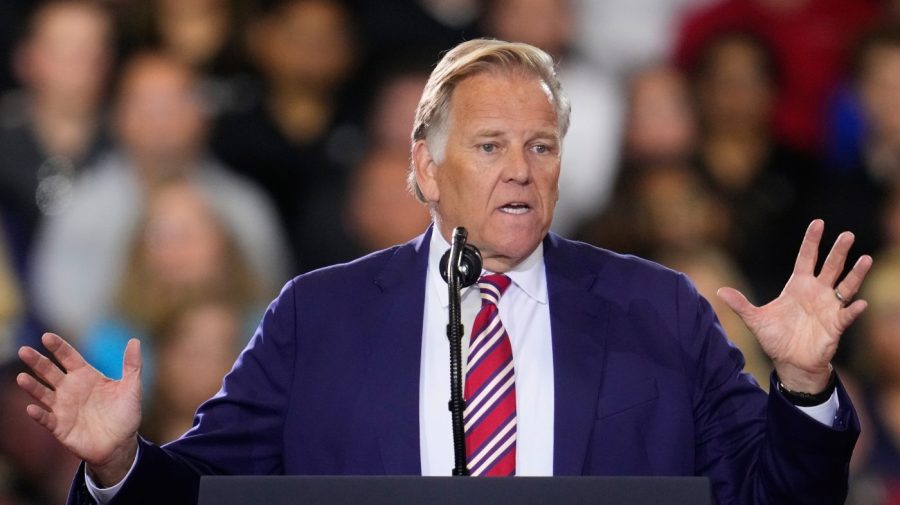




Goldman Sachs CEO David Solomon Endorses the Revised CLARITY Act

Goldman Sachs CEO David Solomon told Politico on July 23, 2026, that he supports advancing the revised CLARITY Act, describing the crypto market-structure legislation as creating “a level playing field to enhance market stability”.
This is a direct public contradiction of JPMorgan CEO Jamie Dimon, who warned in May that the bill’s stablecoin yield provisions will “eventually blow up.”
The confrontation is not merely a personality clash between two Wall Street titans: it is a structural fight mapped precisely onto diverging balance-sheet models. Solomon leads an investment bank whose fee revenue rises with institutional crypto trading volume and capital markets activity; Dimon leads a deposit-funded commercial lender whose cost of funding compresses if yield-bearing stablecoins compete directly for retail balances.
Republicans released the revised CLARITY Act draft on July 23, triggering the split within hours. The bill represents the most advanced attempt yet at a unified US crypto market-structure framework, building on the House-passed FIT21 bill, which stalled in the Senate in 2024, and on years of failed Lummis-Gillibrand negotiations.
The Stablecoin Yield Provision: What the CLARITY Act Permits and Why Deposit-Funded Banks Frame It as Unregulated Deposit-Taking
BREAKING: GOLDMAN SACHS CEO SUPPORTS THE CLARITY ACT APPROVAL
“I’m very supportive of moving the Clarity Act forward, so we can get some market structure in place.” – David Solomon, Goldman Sachs CEO
-POLITICO pic.twitter.com/L49yPG2WvD
— Bitcoin Archive (@BitcoinArchive) July 23, 2026

The CLARITY Act debate centers on language that would allow crypto platforms to offer yield on dollar-pegged stablecoins, a point that banking trade groups, including the American Bankers Association, have opposed for nearly a year.
The current draft allows such rewards, subject to capped payments and additional disclosure requirements. JPMorgan’s Jamie Dimon has expressed concerns, stating the bill permits crypto firms to pay interest on deposits without the necessary banking regulations, which he believes could lead to major issues.
Additionally, the bill clarifies the regulatory split between the SEC and the CFTC, designating certain digital assets as commodities under CFTC oversight, a move advocates like Solomon argue is vital for market development.
Solomon’s Endorsement and the Investment-Bank Business Model: Why Goldman Sachs Breaks With Wall Street on Regulation
Solomon’s support for the CLARITY Act has broken the unified stance of large banks, reflecting the Goldman Sachs crypto revenue model.
Unlike JPMorgan, Goldman relies less on retail deposits and more on fees from market-making, underwriting, and digital asset initiatives. Regulatory clarity in crypto could expand Goldman’s market reach.
This divergence is notable, as both banks have previously collaborated on blockchain projects, including tokenized repo initiatives. Solomon’s stance indicates that differences in business models regarding retail stablecoins overshadow their institutional cooperation.
He acknowledged the legislation’s imperfections but emphasized the importance of progress over regulatory uncertainty, aligning with Coinbase CEO Brian Armstrong’s view of the bill as a bipartisan compromise, even as Senate Democrats contested this characterization shortly afterward.
Democratic Opposition and the 60-Vote Gap: Why Gillibrand’s Absence From the Dissent Statement Is the Number to Watch
Seven Senate Democrats, including Angela Alsobrooks, Cory Booker, and Elizabeth Warren, criticized a revised Republican bill as inadequate on ethics and consumer protection in a joint statement.
Booker emphasized the need for bipartisan support, while Warren declared the bill “dead on arrival,” highlighting its failure to prevent conflicts of interest related to Trump and crypto. Key Democratic demands include state attorneys general sharing enforcement authority, which Republicans oppose.
Notably absent from the dissent is Senator Kirsten Gillibrand, a key negotiator, signaling that a 60-vote coalition could still be possible. Meanwhile, Republicans like Tim Scott contend the bill protects Americans and national security.
A Senate floor vote is expected soon to resolve the ethics dispute and secure sufficient Democratic backing before the bill moves to the House. Gillibrand’s upcoming statement will be crucial in assessing the bill’s likelihood of passage.
Crypto Expert Report: What Are the 10 Next Crypto to Explode in 2026?
The post Goldman Sachs CEO David Solomon Endorses the Revised CLARITY Act appeared first on Tokenist.