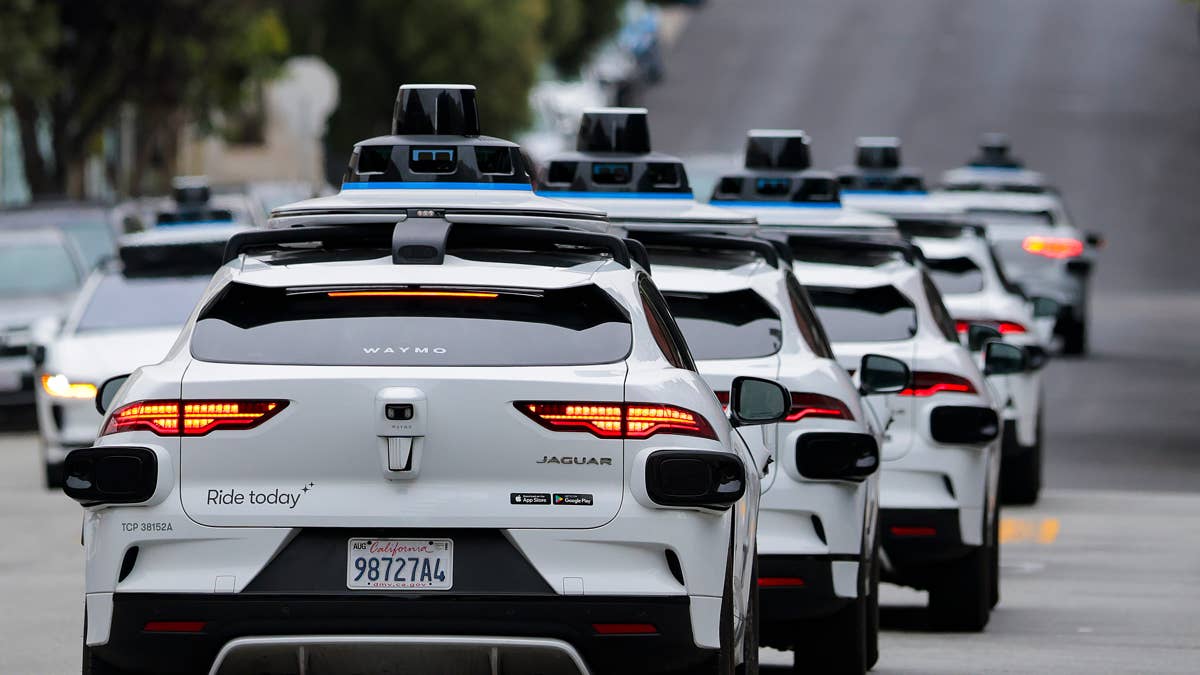
Waymo shows it learned critical lesson from previous blackouts
Last December, a power outage brought traffic in the city of San Francisco to its knees after dozens of Waymo robotaxis suddenly shut down during the chaos.
Waymo was forced to suspend service after posts on X (the former Twitter) showed its vehicles stuck at numerous intersections, unsure how to navigate the situation, and forcing drivers to slowly inch past electricity-less city blocks.
“The sheer scale of the outage led to instances where vehicles remained stationary longer than usual to confirm the state of the affected intersections. This contributed to traffic friction during the height of the congestion,” Waymo said in a statement, cited by NBC News, as it temporarily shut down operations in the city.
While power outages in major cities as big as San Francisco are rare, they do happen, and Waymo needs to be able to navigate the situation better than it did that weekend.
San Francisco experienced another blackout on July 18. This time, Waymo was more proactive about shutting down its service to avoid some of the same mistakes.
Waymo paused San Francisco service before issues emerged
A massive power outage in San Francisco on Saturday, July 18, knocked out traffic lights across the city’s Richmond District and Presidio neighborhoods, so Waymo says it paused service in the area as a precaution for about an hour shortly after the outage began.
A Waymo spokesperson told the San Francisco Standard that there were no reported problems from that day and that the company was in contact with the city’s Department of Emergency Management throughout the incident. The company described the pause as “a chance to assess conditions on the ground before resuming rides,” according to the Standard.
It said it learned a lesson from previous incidents in the city during similar situations.
That intelligent approach is a sharp departure from the company’s modus operandi last year, and two weeks ago, during the July 4 weekend, when dozens of the company’s vehicles stopped working at the same time.
The California Public Utilities Commission requires Waymo to report vehicle “stoppage events” in its quarterly filings, but the company has fought to keep that information confidential in the past, according to the Standard.
But that was before San Francisco’s mayor began increasing scrutiny on the company after the July 4 weekend incident.
San Francisco mayor calls for tighter controls on autonomous vehicles
Last week, San Francisco Mayor Daniel Lurie sent a letter to California Secretary of Transportation Toks Omishakin asking the regulator to tighten controls on Waymo and other autonomous vehicle companies, increasing the threshold needed for them to operate in the state.
“Waymo vehicles struggled to navigate growing volumes of vehicular traffic and pedestrians,” Lurie said in his letter, which was viewed by the San Francisco Chronicle. “By the end of the fireworks show, autonomous vehicles became immobilized in travel lanes, blocking key streets and ultimately bringing traffic to a standstill.”
@Waymo we’ve been trapped by your cars for 4 hours behind the Palace of Fine arts in San Francisco. Fix your shit now! pic.twitter.com/t3wSEG3PrT
— Damián Hernández (@TheDamianHdez) July 5, 2026
“We appreciate Mayor Lurie and the City of San Francisco for the ongoing partnership with Waymo, and keeping SF at the forefront of innovation,” Waymo said in a statement to TheStreet.
“Waymo has successfully supported some of the city’s biggest events, including FIFA World Cup games, this year’s Super Bowl and Fan Fast, and NBA All-Star Weekend. The City and Waymo share a mutual goal of providing safe and accessible transportation for visitors and residents alike.”
But the company’s response to the incident didn’t placate the citizens of the city based on their social media responses, and it seemingly hasn’t placated Lurie, either.
The mayor is calling on the California Department of Transportation to tighten the rules so that autonomous vehicles “demonstrate four core operational capabilities,” proving they can continue to operate during major events or emergencies.
Those operational capabilities include:
- Keep traffic moving by immediately clearing disabled vehicles from travel lanes.
- Respond in real time to emergencies by updating geofencing or changing pick-up and drop-off locations so traffic can keep flowing.
- “Provide operational transparency” by updating local agencies on service disruptions, immobilized vehicles, and roadside assistance efforts.
- Conduct tests and exercises that show they are ready for widespread crowds and unpredictable road conditions.
- San Francisco is currently conducting what the Chronicle calls an “autopsy” of the traffic chaos Waymo sparked on July 4.
“Waymo has successfully supported some of the city’s biggest events, including FIFA World Cup games, this year’s Super Bowl and Fan Fest, and NBA All-Star Weekend,” the company told the Chronicle.
“The city and Waymo share a mutual goal of providing safe and accessible transportation for visitors and residents alike. We will continue to partner with the City’s agencies, collaborating with them on the learnings based on the millions of rides we have provided in San Francisco.”
Related: Waymo wears out its welcome in major U.S. city as mayor responds