The Fine Details of Zenith’s Greater Ambitions
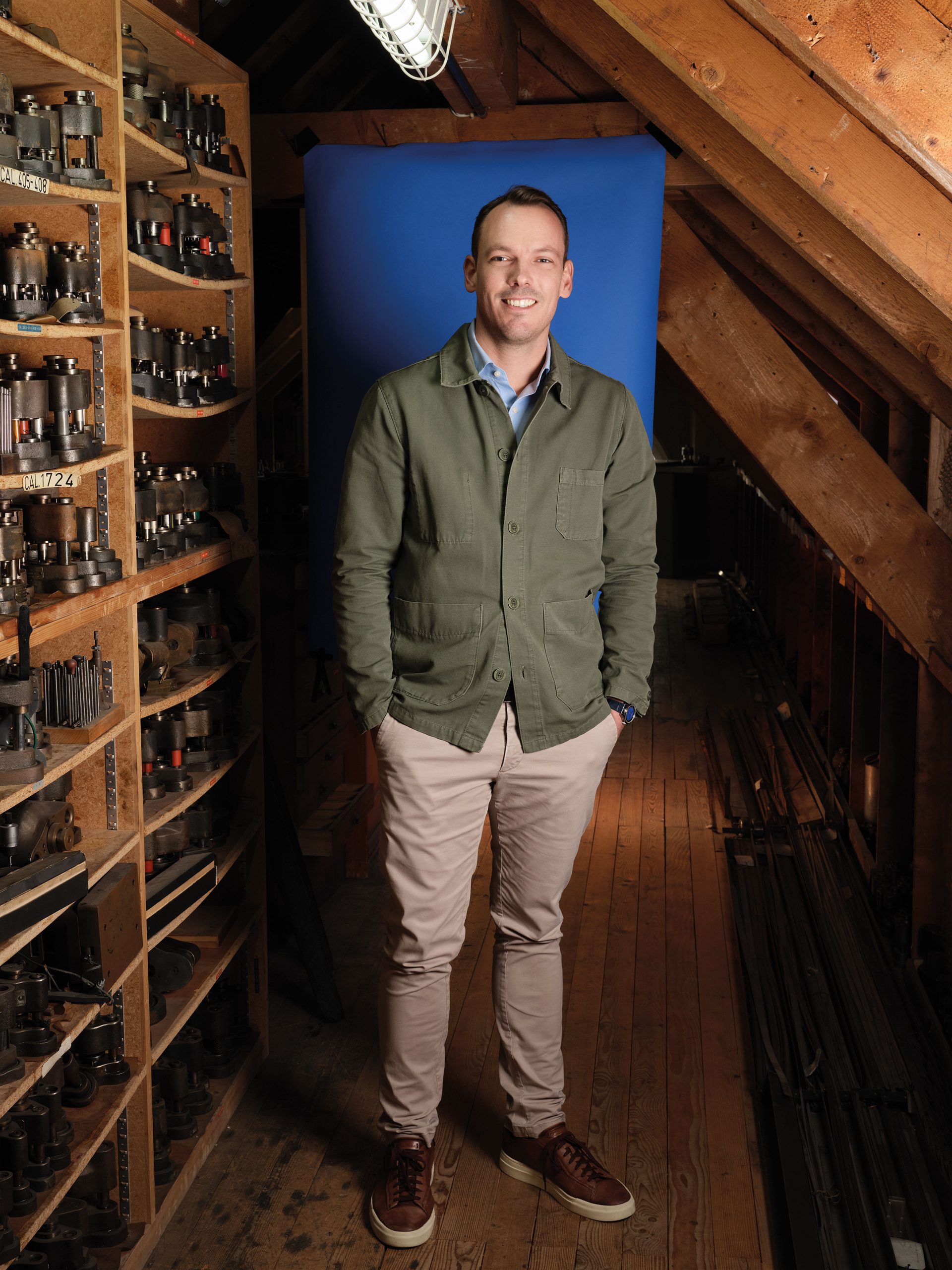
Romain Marietta is a rare “one-brand man” in contemporary Swiss haute horlogerie. Joining Zenith in 2006 directly after completing his studies, Marietta has spent his entire two-decade watchmaking career exclusively at the Le Locle manufacture. Beginning in the marketing department, his technical acumen and innate horological sensibility saw him rise to Head of Product in 2011, before his remit formally expanded in 2020 to Product Development & Heritage Director, and subsequently Chief Product Officer.
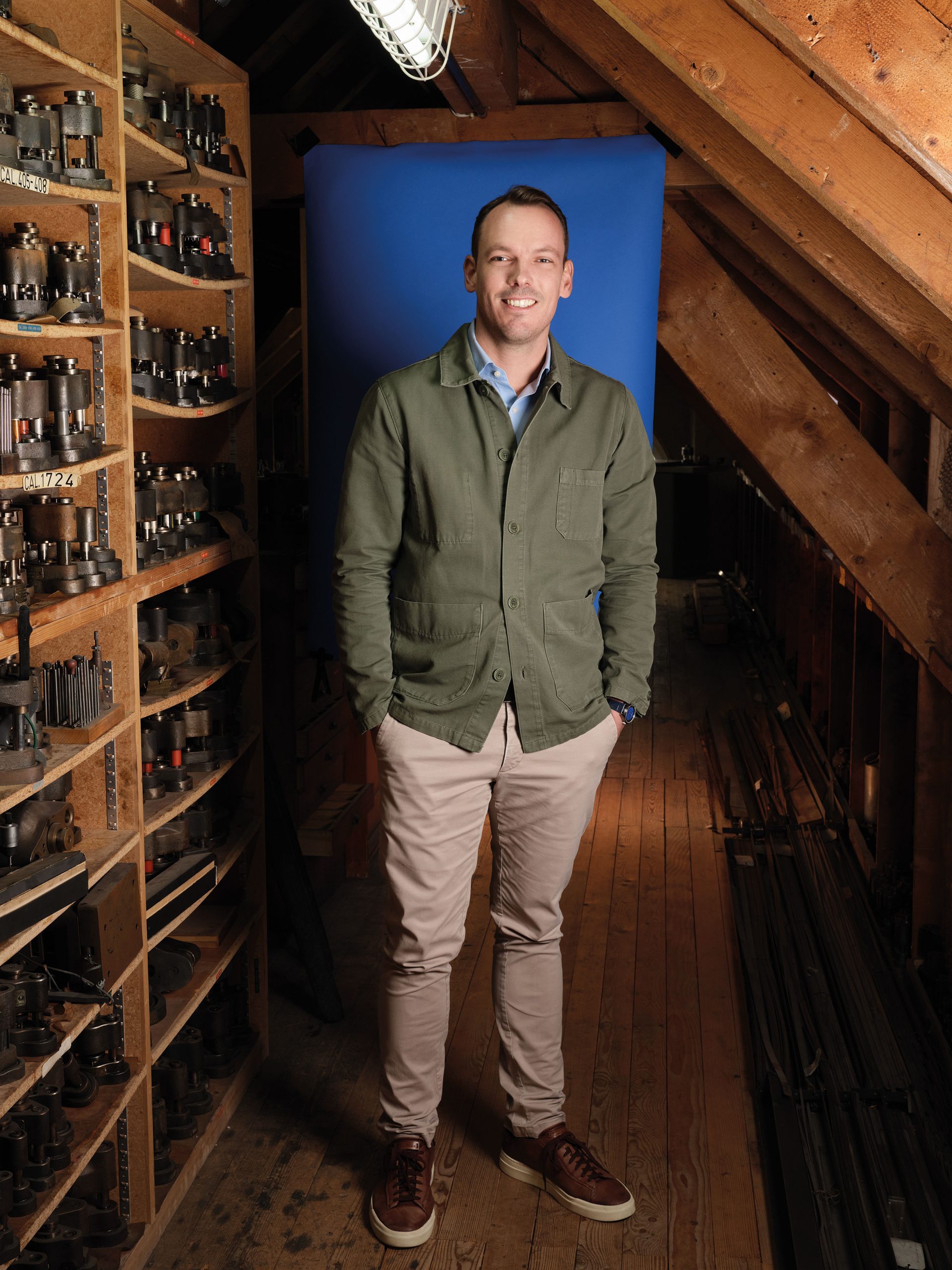
Serving under five chief executives – including JeanFrédéric Dufour, Julien Tornare, and currently Benoît de Clerck – Marietta acts as Zenith’s institutional memory and “guardian of the temple”. He spearheaded the streamlining of the manufacture’s catalogue from a fragmented lineup into four defined pillars: Chronomaster, Defy, Pilot, and the high-chronometry G.F.J. (named after founder Georges Favre-Jacot).
Marietta was instrumental in engineering the modern El Primero 3600 1/10th-of-a-second platform, championing cutting edge material experimentation (from ceramic and carbon to tantalum), and orchestrating the resurrection of the historic, record winning Calibre 135 observatory chronometer alongside master watchmaker Kari Voutilainen and independent creators like Naoya Hida. Working from the historic manufacture site continuously occupied since 1865, Marietta bridges 160-plus years of heritage with high-frequency contemporary mechanics.
I have to ask: Given that you are a quintessential “one-brand man”, what keeps you coming back for more? We all admire your infectious enthusiasm for Zenith.
Because we are doing great things! We are innovating, we are enjoying ourselves, and we are having fun. That is genuinely why I am still here after 20 years: The brand deserves to be at a certain level, and there is still room to grow.
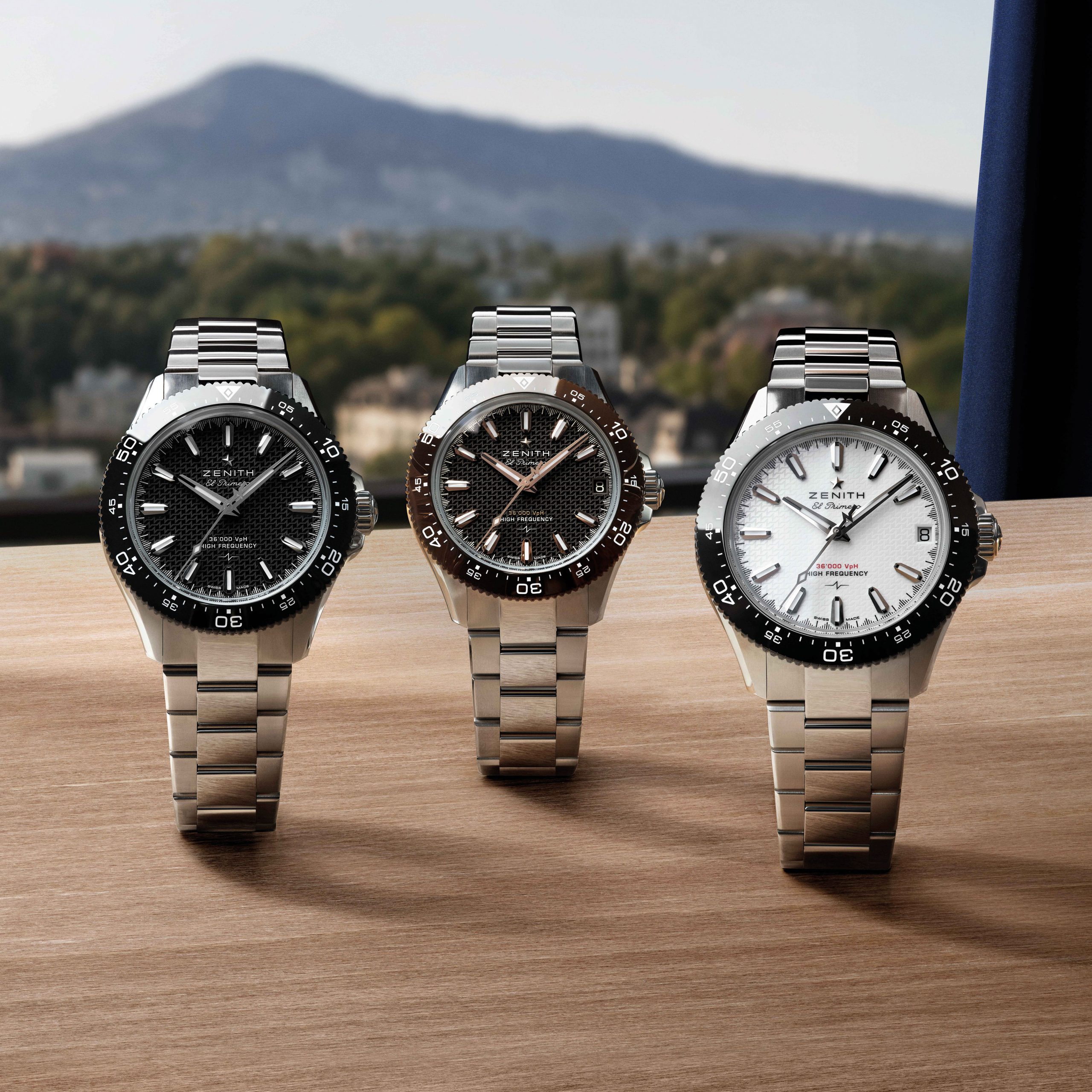
The new clasp is a perfect example. Globally, we knew the clasp was a pain point on the Chronomaster line – it simply wasn’t at the same standard as the rest of the watch. The watch head, the finishing, and the movement are superb, but we needed a better buckle with an on-the-fly micro-adjustment. The Chronomaster line does not have the interchangeable strap system that we offer on Defy watches, so having an integrated micro-adjustment is mandatory.
We spent two years developing this new clasp. It was highly technical because, to be frank, we wanted something that could genuinely stand shoulder-to-shoulder with Rolex’s systems. It’s the kind of horological geekiness that keeps me engaged, because it’s a brilliant technical feature to explain.
Zenith has such an immense heritage. People often ask why I haven’t left, and the answer is simple: I love the team, and we enjoy genuine creative independence. At larger corporate manufactures, you deal with dozens of bureaucratic validation layers. At Zenith, it’s straightforward: You sit down directly with the CEO, propose an idea, and experiment. We always ask ourselves, “Why not?”
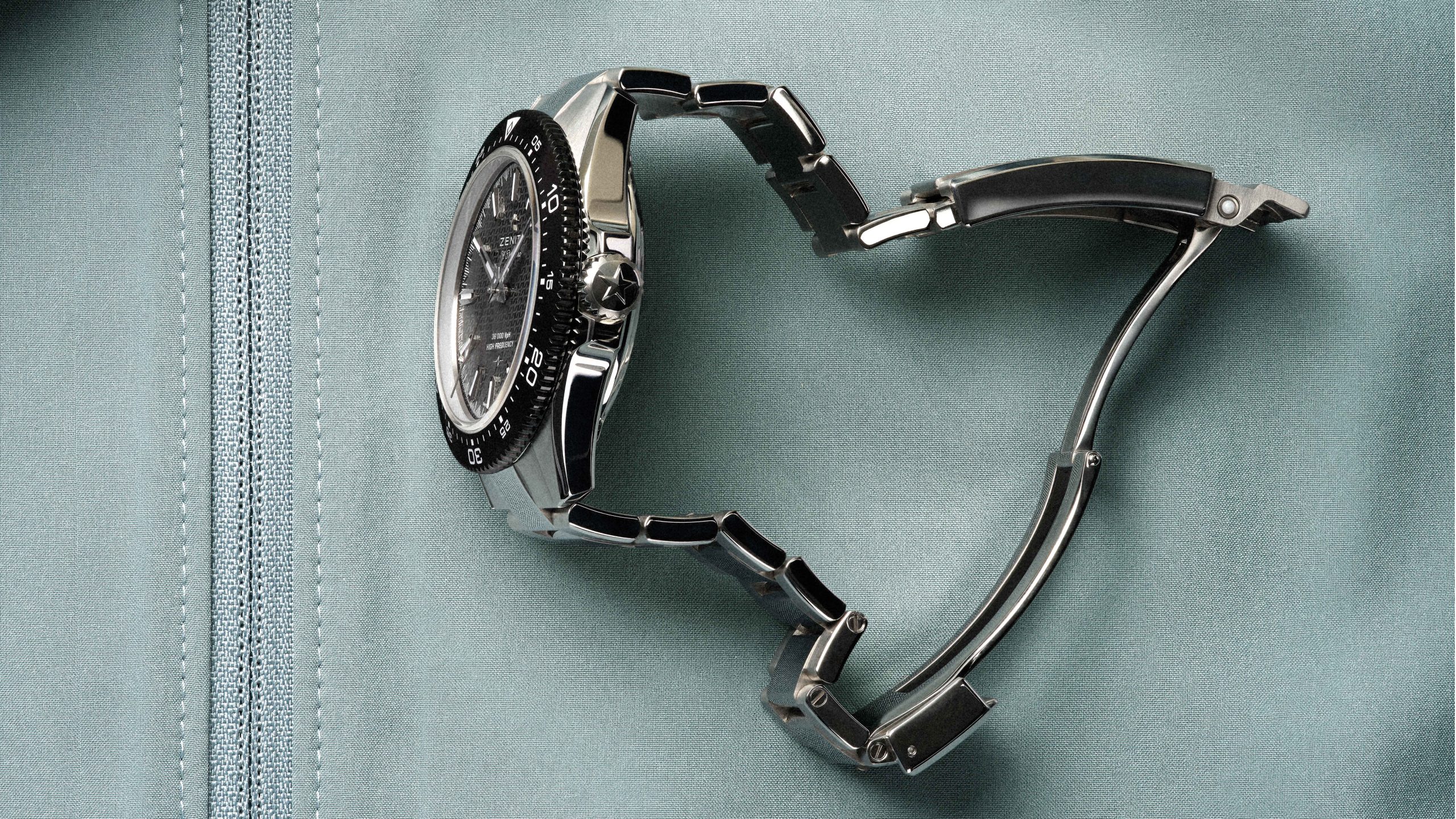
Focusing an entire WWG launch around a clasp is unusual – I cannot recall the last time a buckle was the primary headline at a fair! It reminds me of the Chronomaster Revival series when you brought back the Gay Frères ladder bracelet. Why invest so heavily in promoting a clasp?
Because if you want the Chronomaster Sport to compete against the titans of the industry and become a true icon, the timepiece must be flawless from A to Z. The head of the watch and the high-frequency calibre were already there, but the clasp was a vulnerability.
When addressing that, you face a strategic choice: Do you buy an off-the-shelf component from an external catalogue, or do you engineer a bespoke solution? If you buy off-the-shelf, you fail to differentiate yourself. We are an authentic manufacture producing luxury timepieces that retail around CHF15,000 in the Chronomaster line. To maintain credibility when competing against mammoths like Rolex and Omega, you must deliver at that level.
We chose to engineer something proprietary that sets us apart.
Material experimentation is another defining pillar for you. What has the reception been to the G.F.J. in tantalum, and what specific machining hurdles did you encounter?
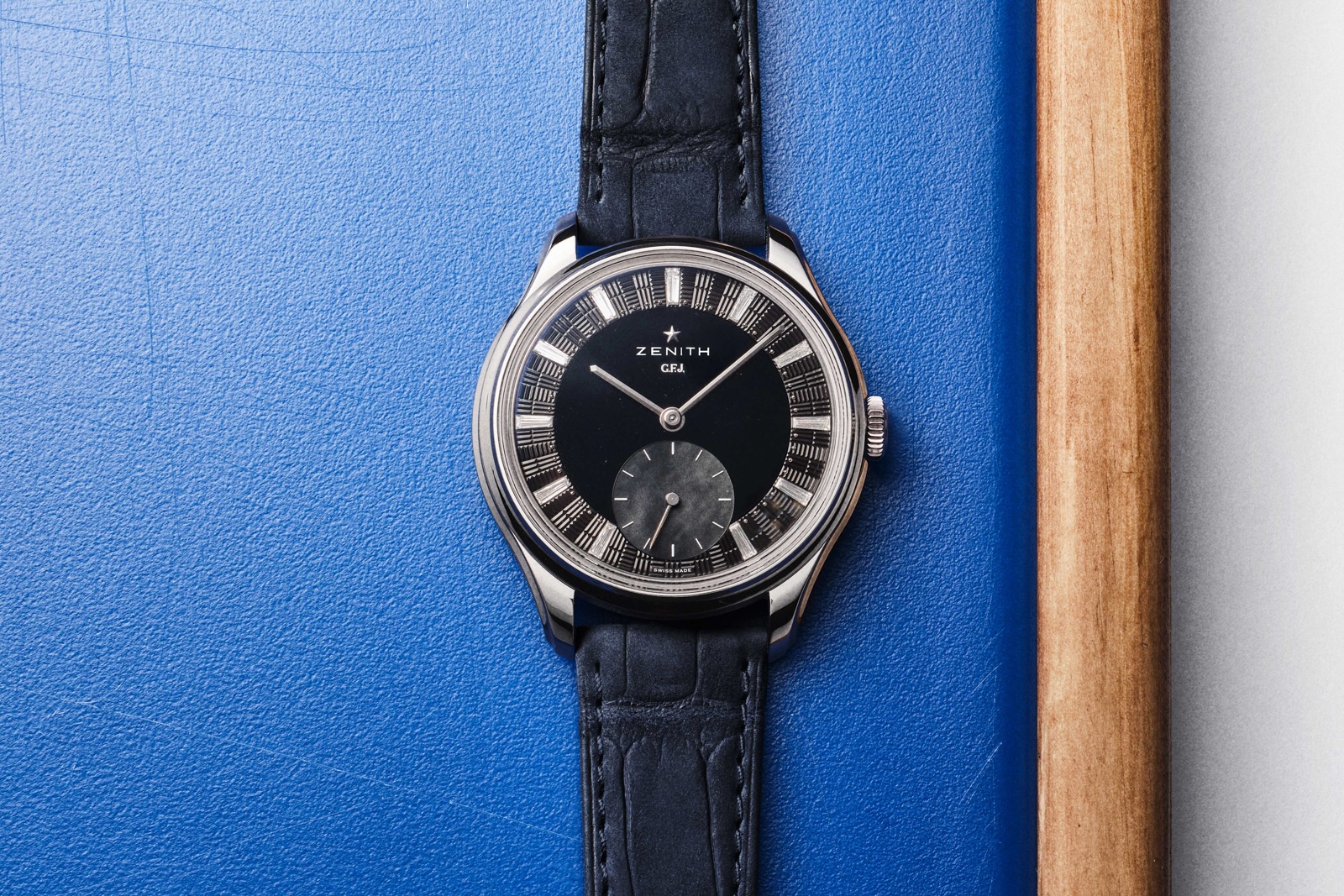
With the G.F.J. line, our mandate was to work strictly with precious or noble materials: gold, platinum. But we asked ourselves: What else could we explore that we hadn’t already done? Tantalum was uncharted territory for us.
We initially approached our standard case-maker, who politely declined because they had not mastered the metal. I then contacted master watchmaker Kari Voutilainen to ask if we could collaborate with his dedicated case-making manufacture. Kari was immediately supportive: “Go for it – it will be very limited batch production, but let’s do it.” That suited our vision perfectly.
While our group case suppliers handle our gold and platinum cases, tantalum requires specialised competence. We told Kari that we would accept no compromises on architecture, tolerances, or hand-finishing. Because Kari works with high-end tantalum finishing in his own atelier, he welcomed the challenge.
The market response has been extraordinary. Tantalum is notoriously dense and an absolute nightmare to machine and polish, but the resulting lustre and blue-grey hue are gorgeous.
Between the revival of the Calibre 135 and clever mechanisms like the instantaneous date jump on the Pilot Big Date Flyback, you consistently introduce thoughtful engineering. What complication would you personally love to realise next?
Oh là là! There are so many complications on my wish list, but we have to manage priorities and resources.
Calibre 135 is woven directly into our historical DNA. Bringing back that historic observatory calibre was a major triumph. LVMH backed us with the capital and agility required to revive the movement properly – an investment many other groups wouldn’t have entertained. In a competitive market, you must stand out with authentic manufacture heritage. That is why the Calibre 135 strikes such an emotional chord with discerning collectors.
As for future developments, I have to be careful not to reveal our upcoming roadmaps! But because Zenith is celebrated globally for chronographs, I would love to rethink how a chronograph is activated and how elapsed time is displayed. We were the first to produce an integrated automatic chronograph in 1969 with El Primero, and the first to display tenths of a second. My personal dream is a mechanical movement capable of legibly displaying tenths, hundredths, and thousandths of a second. It represents an immense engineering mountain, but that kind of boundary-pushing is what we live for.
Casual observers tend to equate Zenith solely with the El Primero chronograph. Could you break down the four core collections and how they complement one another?
We have streamlined the brand into four clearly delineated pillars, each with its own aesthetic, technical focus, and audience:
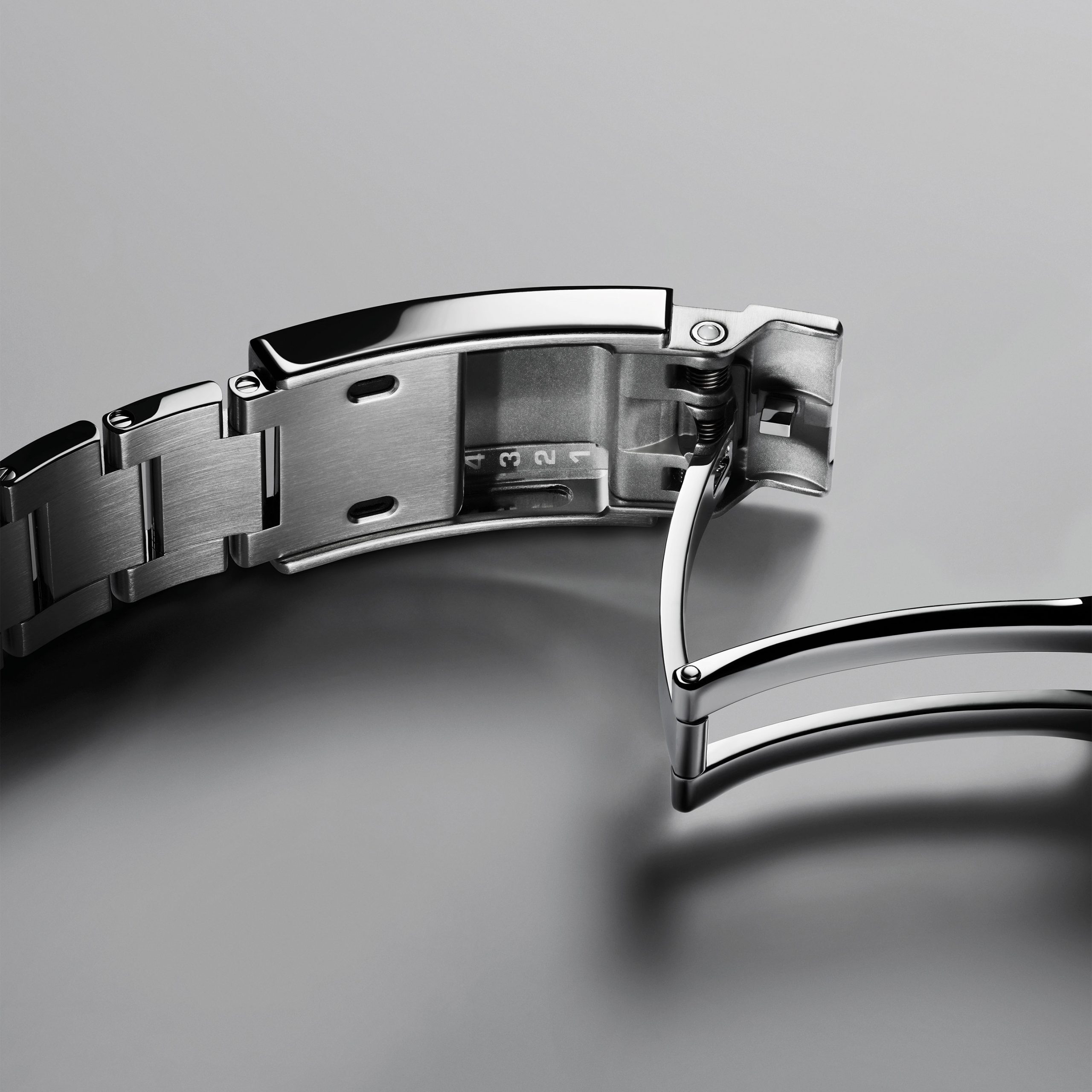
Chronomaster: The purest expression of our iconic high-frequency chronograph heritage.
Defy: Modern, integrated, architectural sports watches, defined by skeletonised movements and forward-looking materials.
Pilot: Aviation-centric tool watches that pay homage to our early 20th-century aviation patents.
G.F.J.: Pure, high-end chronometry and classical fine watchmaking, celebrating our founder.
We effectively operate four distinct identities within one cohesive manufacture. They harmonise because every watch is powered by a proprietary in-house movement. We project into the future by anchoring our designs in our 161-year heritage. Having continuous archives and operations in Le Locle since 1865 is priceless – it’s like the Mastercard advert! Many brands would give anything for that provenance. It takes patience to communicate all those layers, but we are laying the groundwork for the next 160 years.
Zenith’s past includes diverse chapters – collectors still talk about the Captain Winsor annual calendar or radical vintage iterations of the Defy. How do you maintain consistency when product development cycles span several years?
It is true that historically, Zenith tried many disparate design languages and had far too many sprawling collections. Over the past decade, we disciplined ourselves and streamlined the catalogue. The brand’s perception has evolved dramatically. Our DNA was always present, but previously, the manufacture did not leverage its archives with the coherence we have today.
Our movement development roadmap is mapped out 10 years in advance. While you cannot predict every fleeting trend, staying true to your core values guarantees that discerning collectors will respond.
When we made the decision in 2022 to resurrect the Calibre 135, it was an audacious bet. I went to Julien Tornare and said, “Julien, this movement is legendary; we have to revive it, even if the tooling and development run into millions of francs.”
Many collectors were initially unfamiliar with that historical chronometry pedigree, so you had to re-educate the market on Zenith’s Neuchâtel Observatory prizes from scratch.
Exactly. But the Calibre 135 and the G.F.J. captivate people because you are sharing the human story of Georges Favre-Jacot founding the manufacture as a visionary young man.
I am 43 years old, so I consider myself relatively young, but when I speak with 20-year-old collectors today, I see a genuine thirst to understand mechanical provenance. Before 2020, much of the market chased speculative hype pieces without caring about what calibre was beating inside. Today, there is a profound reconnection with substance, craft, and history.
Is there a hazard in over-innovating, where the consumer struggles to digest every incremental advancement?
I completely agree. While innovation drives the industry, we must be honest: What technical development over the last 20 years has fundamentally changed the paradigm of watchmaking?
Nearly every foundational mechanical principle was solved centuries ago. Today, we innovate through materials science, finite-element simulations, optimised gear-train kinetics, anti-magnetism, and extended power reserves to approach quartz-level stability. But at the end of the day, a mechanical watch is a device with hands indicating the time – which nobody strictly needs in the smartphone era!
Take the G.F.J.: it is a three-hand time-only watch! There is no superfluous gimmick, yet it commands immense desire because the proportions, dial craft, and hand-finished movement are executed to an extraordinary standard. It doesn’t need to be a minute repeater or a perpetual calendar to resonate.
Breguet inventing the tourbillon or Rolex introducing the water-resistant Oyster case were game-changing milestones. In modern times, the only development that truly disrupted everything was quartz. Mechanical watches will never beat quartz or atomic precision. Therefore, mechanical watchmaking is a beautiful, romantic, useless quest. We pursue it for craftsmanship, human art, and cultural preservation. A $50 quartz watch tells better time, yet clients gladly wait years to purchase a fine mechanical watch. It is far bigger than a mere object; it carries a soul.
That brings us naturally to the El Primero, which has endured at the pinnacle of chronographs for decades.
The El Primero was unveiled 57 years ago, and it is still in active production! With the exception of the Valjoux 7750 from the early 1970s – which operates on an entirely different industrial scale – no other high-frequency automatic chronograph movement
has survived continuously for nearly six decades. That longevity demonstrates how fundamentally sound the original architecture was. Our responsibility is to elevate it while honouring that blueprint.
When you modernise an icon like the El Primero, how do you decide what remains sacred – such as the column-wheel architecture – and what can evolve?
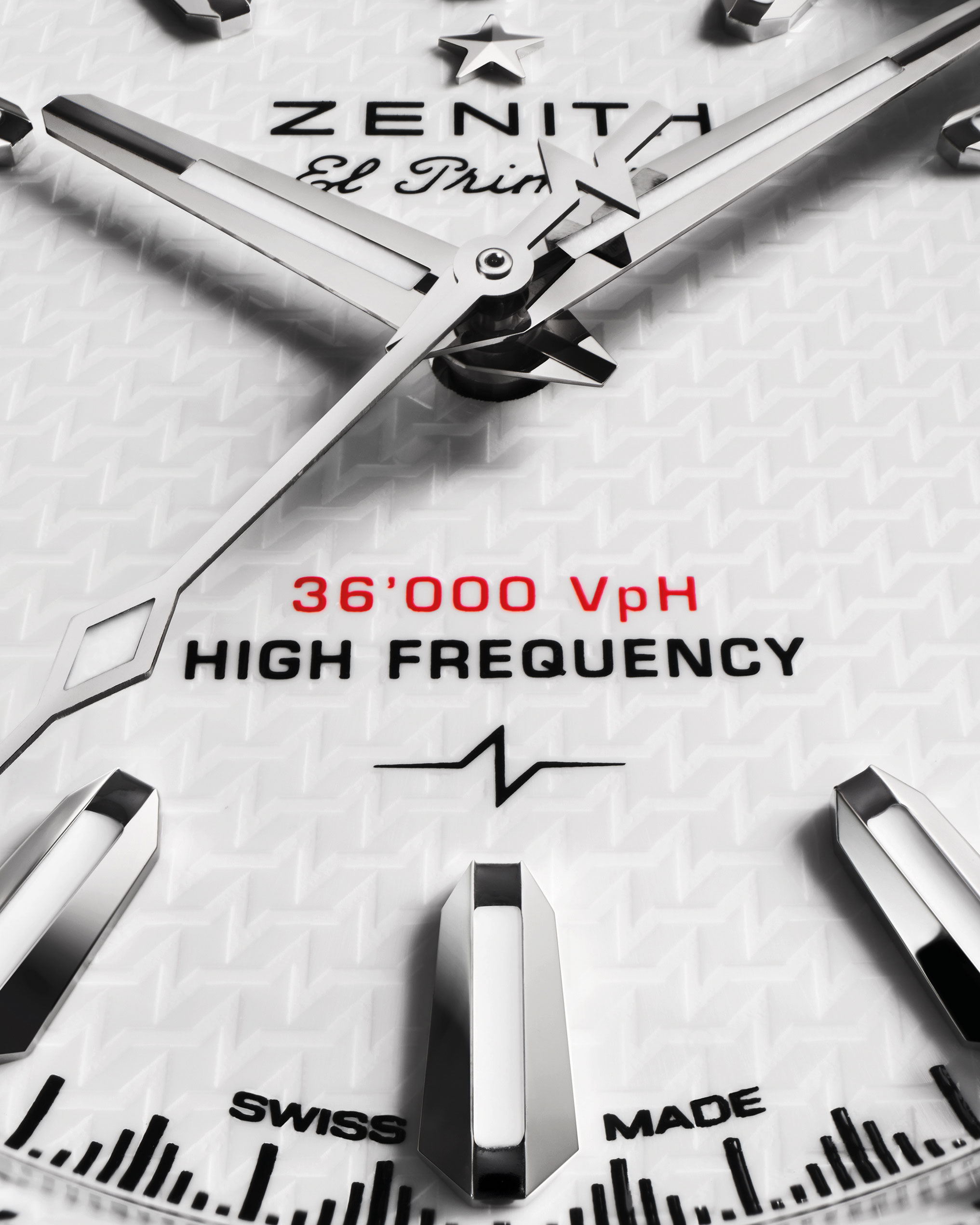
When we engineered the El Primero 3600 platform, that debate was front and centre. You must respect the soul and geometry of the original calibre. We faced the same dilemma with the Calibre 135: Do we keep the historic 2.5 Hz (18,000 vibrations per hour) cadence, or do we increase it to 36,000 vph? We decided that altering the beat rate would stray too far from its chronometric soul. Conversely, integrating a stop-seconds (hacking) mechanism was necessary. The vintage observatory trial calibres didn’t require hacking, but for a 21st-century chronometer, it is an essential modern functionality.
If you are not faithful to your own history, you are cheating yourself and the collector. After 20 years at Zenith, I jokingly say that I’ve become part of the manufacture’s furniture – a guardian of the temple. My role with our CEO, Benoît de Clerck, is to provide historical continuity: “We tried this in the past and it worked; we tried that and it failed – let’s not repeat our mistakes.” If Charles Vermot were to walk back into the manufacture today, I want to ensure he would be proud of how we protected his legacy rather than betrayed it.
This story was first seen as part of the WOW Legacy 2026 issue.
For more on the latest in luxury watch reads, click here.
The post The Fine Details of Zenith’s Greater Ambitions appeared first on LUXUO.