Budget changes could see footballers taxed extra £45m per year

Football players and clubs will be forced to pay an additional £45m per year in tax following changes to image rights announced at the Budget.
Chancellor John Healey confirmed last month that “the government will clarify that image rights payments related to an employment are taxable as employment income and taxed in the same way as wages”, adding that “to provide affected sectors with additional time to adjust to this change, the measure will take effect from 6 April 2028”.
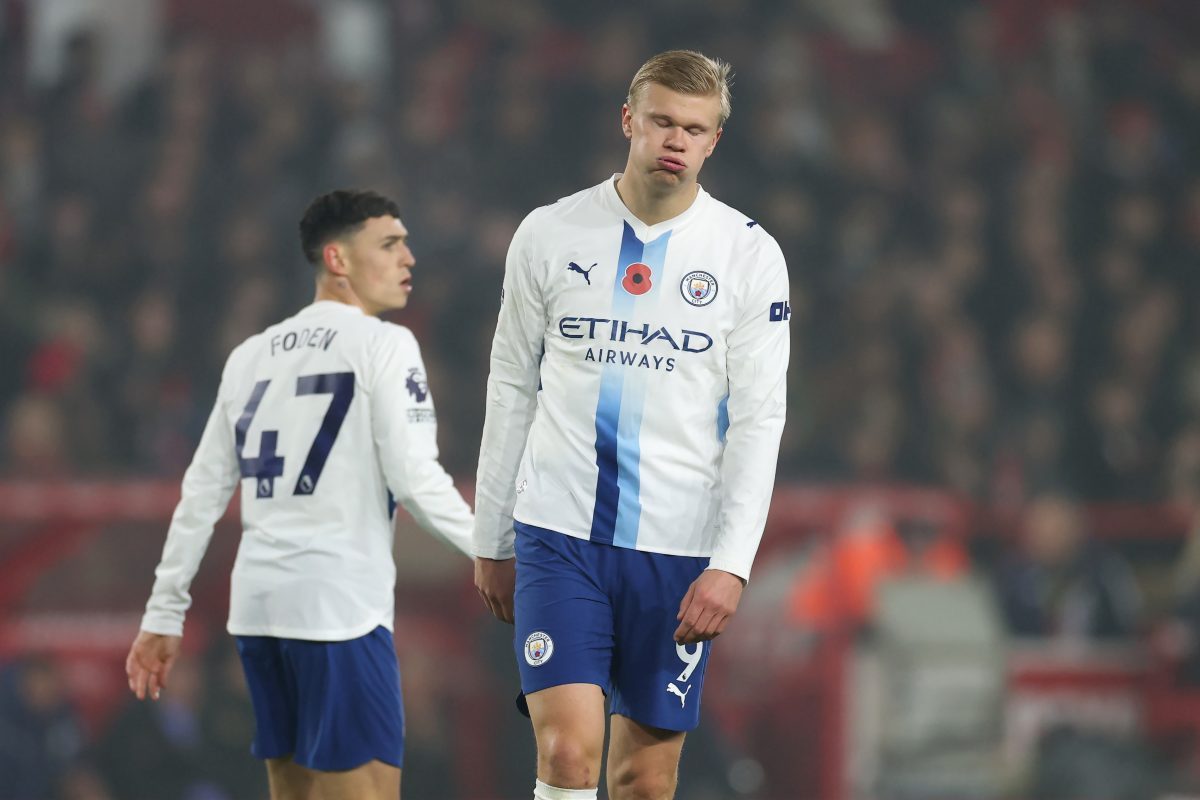
It could see adverts involving players in their club colours taxed as part of their football income, while two players in the same sponsorship deal could be taxed differently depending on whether the club was involved in the introduction or not.
Research by accountancy group UHY Hacker Young estimates this could rake in an additional £45m for the government.
Budget tax changes
“These changes will have a significant impact on football clubs’ wage bills. The profitability of so many major clubs is fragile so that is going to be unwelcome,” the firm’s Elliott Buss said.
“Many footballers have spent years building genuine personal brands and the rules don’t really accurately reflect that – they attach too much importance to the club’s role and brand.
“Parts of the new rules are going to be seen as unfair by footballers and football clubs.”
HMRC on Instagram
It comes as part of a Budget that could slam footballers’ ability to earn income outside of their club pay packet.
HMRC is hiring hundreds of extra compliance officers to help cast the net far and wide – including scouring players’ social media – to recover as much tax as possible.
“HMRC will collate information from open sources,” Alistair Culverwell of Forvis Mazars wrote for City AM this month. “It is already common practice to use news articles and press interviews against taxpayers when their words conflict with tax statements.
“High-profile people, such as footballers, face their social media channels increasingly being checked by HMRC, where careless posts or even words could well lead to misunderstandings or challenges.”