




Tokenization Opens Door to 24/7 Institutional Trading and Settlement

A recent pilot involving Uber, HSBC, Franklin Templeton, Tradeweb and Fireblocks demonstrated how a corporate treasury could invest in tokenized money market funds and access liquidity outside traditional market hours, including over a weekend.
Conducted on the Canton Network, the pilot allowed Uber to purchase Franklin Templeton’s tokenized money market fund using HSBC’s tokenized deposits through Tradeweb’s electronic trading infrastructure. Transactions were completed through delivery-versus-payment (DvP) settlement, with the cash and asset legs settling simultaneously on-chain.
While the immediate application was corporate treasury management, the pilot also raised questions about the potential for 24/7 institutional trading and settlement, and the challenges that remain before such capabilities can be widely adopted.
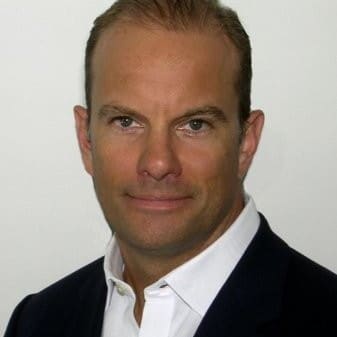
Daniel Staniford, Co-Head of Corporate and Head of Global Corporate Sales at Tradeweb, said the pilot showed that tokenized assets could be handled through trading processes institutions already use.
“The pilot shows how tokenized assets and on-chain settlement can work within an established electronic trading workflow. That matters because treasurers and institutions need access to these assets through familiar processes they understand and can manage,” he told Traders Magazine.
Tradeweb coordinated execution and settlement between Franklin Templeton’s fund shares and HSBC’s tokenized deposits, building on its existing DvP capabilities and work on Canton. “The fund shares and deposits settled atomically on Canton, so neither side of the transaction could complete independently,” Staniford said.
The pilot also allowed Uber to redeem part of its investment over a weekend. According to Mark Wendland, Chairman and CEO of Canton Strategic Holdings, the company captured an additional day and a half of yield that it would otherwise have missed using traditional settlement arrangements.
“This pilot demonstrates that the benefit of convergence extends far beyond more efficient workflows or streamlining legacy processes. Onchain settlement unlocks new capabilities that are only possible with upgraded infrastructure,” Wendland said.
Matt Jones, Head of Liquidity Distribution at Franklin Templeton, said the pilot demonstrated how existing investment platforms could be connected to digital payment and settlement systems.
“The ability to execute transactions through familiar institutional trading workflows while settling tokenized cash and fund shares on-chain represents an important step toward connecting traditional financial markets with digital asset infrastructure,” he said.
Jones said corporate treasurers must balance earning returns on their cash with keeping enough liquidity available to meet payment obligations.
Tokenized money market funds, combined with tokenized deposits and access to liquidity outside normal operating hours, could help address that challenge by allowing companies to remain invested for longer, according to Jones.
The Challenge of 24/7 Trading
Although the pilot demonstrated transactions outside conventional market hours, Tradeweb said several practical issues would need to be addressed before 24/7 institutional trading and settlement could become widely available.
Tradeweb has already executed tokenized U.S. Treasury repurchase agreements on Canton over weekends, including an on-chain Treasury repo transaction between DRW and Virtu Financial earlier this year.
“While a fund may be transferable around the clock, if the investor cannot access the money needed to buy it or use the proceeds after selling it, then it offers less flexibility,” Staniford said.
Digital cash, including tokenized bank deposits, could help address that problem, although access to conventional banking and payment systems remains important, according to Staniford.
He also identified the availability of liquidity as a challenge when underlying markets are closed. “You need to have someone willing to take the other side of a trade or meet a redemption request, when the underlying markets are closed,” Staniford said.

He said institutions would also need to ensure that trading, treasury, operations, technology, risk and compliance teams could support transactions outside normal hours. This includes custody arrangements, funding processes and procedures for handling failed transactions.
Staniford pointed to other unresolved issues, including how different blockchain networks connect, how settlement finality is recognized across jurisdictions and whether tokenized markets can preserve the benefits of netting. “Settling each transaction individually means you can reduce some risks, but it may also require more funding,” he said.
Jones identified interoperability as one of the immediate challenges to broader adoption. “The immediate challenges are building and improving the interoperability between the platforms, payment networks and infrastructure supporting the products that financial institutions use,” he said.
He expects further developments in digital settlement, custody and payments, as well as closer integration with accounting, risk management and treasury systems. Jones also said regulation would play an important role as banks, asset managers and other institutions become more familiar with tokenized products.
Wendland identified institutional resistance to changing established infrastructure as another obstacle. “Change is difficult, and hubris often is the biggest barrier rather than any technical barrier,” he said. “To overcome inertia, it’s essential we have robust regulatory standards which allow participants to capture the benefits of tokenization in a compliant way.”
Collateral May Be the Next Big Test
Beyond corporate treasury applications, executives also identified potential uses for tokenization in securities financing and collateral management. Wendland said the ability to move collateral around the clock would be necessary to support continuous institutional trading. “24/7 collateral is a prerequisite to achieving 24/7 trading at scale,” he said.
He pointed to the DTCC’s work on tokenizing Treasuries as an early step and said the next challenge would be getting central counterparties, exchanges and other market participants to accept tokenized assets as eligible collateral.
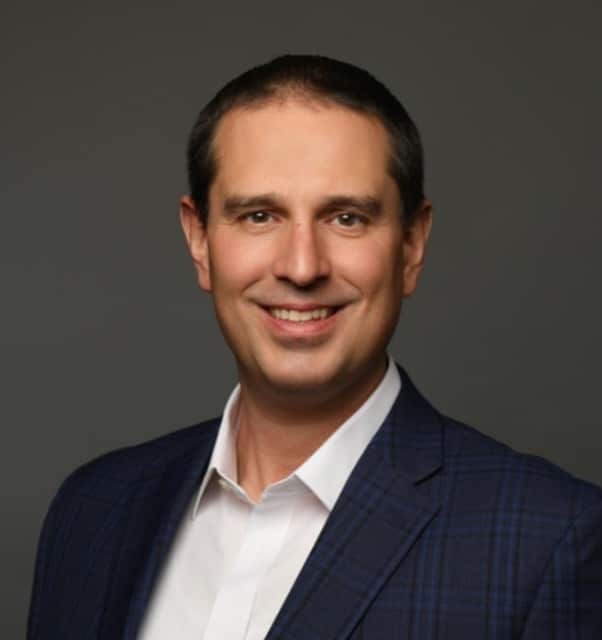
Wendland noted that some of these changes would require regulatory approval, citing recent requests for comment from ESMA and the Bank of England.
Staniford expects the first changes to come in cash and collateral management. “We expect the first meaningful changes to be in the way institutions manage cash and collateral. Tokenized money market funds, Treasuries and digital cash could give firms more flexibility over when they invest, raise funding or make payments,” he said.
He said institutional investors could potentially use tokenized assets to move collateral or finance positions outside conventional market hours, provided the necessary assets, cash and supporting services were available.
Staniford also cautioned against creating separate markets for tokenized assets that could fragment existing liquidity.
“Clients will always have a need for competitive pricing, access to counterparties, and reliable execution. Established pools of liquidity will continue to be important, and creating separate markets for tokenized assets could make that liquidity harder to access,” he said.
Jones expects asset managers, banks, trading platforms and treasury management providers to become more closely connected as tokenization develops.
“Rather than operating as separate components of the financial system, these participants could become increasingly connected through shared digital infrastructure, supporting more automated and efficient financial workflows,” he said.
The Uber transaction was a controlled pilot, and Staniford said making such services widely available would require further work on liquidity, funding and operational readiness.
“We believe that the strongest use case will be where tokenization helps clients access funds sooner, reduce the cost of financing, and allow them to make better use of cash and collateral,” he said.