The secret sauce behind Max’s, the Philippines’ original fried-chicken empire
It’s a regular Thursday lunchtime in Metro Manila and every table at Max’s Restaurant on Scout Tuazon Street is full. Groups of friends, colleagues, grandparents and children are tucking in to a classic menu that multiple generations of a family have honed for more than 80 years. The signature order is half a spring chicken, two bread rolls, sweet-potato fries and a dollop of banana ketchup (a popular Philippine condiment).
Fried chicken is big business in the Philippines. And though the mighty Jollibee is by far the country’s most famous fast-food chain, Max’s is where the industry began. After the Second World War, when thousands of US military personnel were stationed in Manila and waiting to return stateside, some would visit the home of Stanford-educated Filipino teacher Maximo Gimenez, known as Max to them, for drinks and conversation.


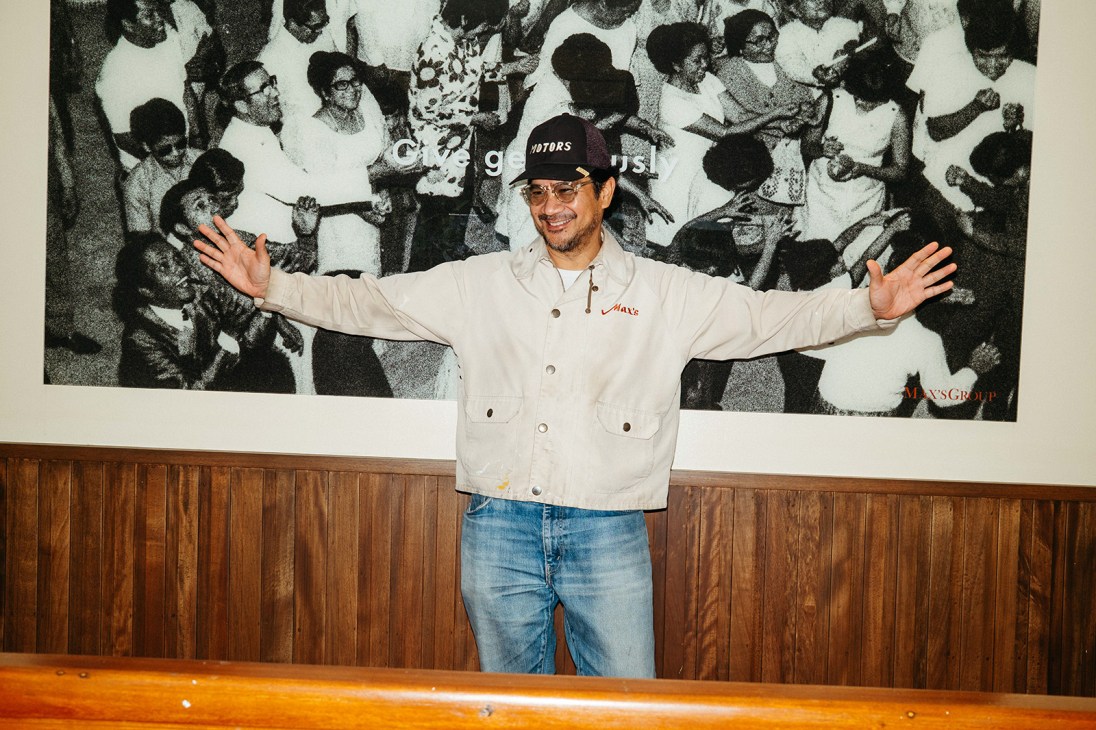
The hospitalable Gimenez asked his niece Ruby to make the homesick soldiers the food that they craved, which led to her interpretation of the American deep-fried staple. (Her version was breadless because, at that time, most Filipinos would have grilled chicken and fried pork.) So, Max’s fried-chicken recipe was born and a single establishment eventually went on to become a nationwide chain with hundreds of locations, a listing on the stock exchange and outposts across the US and Middle East. “Many of our diners first came with their parents and now they are coming back with their own children,” says co-owner and executive director Jim Fuentebella, as he guides Monocle around the flagship branch.
Today the original Max’s Restaurant and former family home serves as the flagship, setting standards and testing new ideas for the group. Fuentebella and five of Ruby’s other grandchildren control about 70 per cent of the shares between them. After a period under professional managers, the so-called “cousin consortium” is now firmly back in charge. Expansion for the sake of scale is off the table while existing locations are gradually renovated. “The business was being managed by people [who were] more concerned with share price and revenue,” says Fuentebella, who hired Manila architect Sarah Canlas to revamp the main branch first. “We needed to fix the motherstore,” he says.
The 5,000 sq m compound has now been opened up, allowing the restaurant’s patrons to wander around the courtyard, sit under the central pandan tree or pop into Ruby’s for a coffee by day or a cocktail by night. The addition of this cosy 12-seater lounge not only pulls in a new crowd but elevates the experience of one of Max’s core revenue streams: events.


Most Max’s locations have a function room; the flagship has three and averages four events per day. Customers looking to book a birthday party, wedding dinner or christening celebration will arrive at the restaurant to sign the contract – and the reservation ceremony now happens at Ruby’s over lattes or cocktails. Mother’s Day is the most popular day on the calendar. This year the Christmas period was already booked out in September, while last year’s holiday season set a 16m peso (€223,150) record for the restaurant, which the team is confident in beating this year.
Fuentebella’s latest project is the General Store. The corrugated-iron shack, which occupies a plot on the opposite side to the restaurant, was reclaimed from a construction company and now has an Eames House Bird perched on top. Inside, chef Mario runs the kawa, a large metal wok full of cooking oil. The 30-year veteran of Max’s uses his experience to gauge the tenderness of the chicken rather than fancy machines. “This is our grandmother’s recipe served in its original, purist form,” says Fuentebella.
With its own street entrance and outdoor seating, lunch at the General Store is a pared-back experience that is reminiscent of eating in the provinces or on one of the country’s many islands. Monocle tucks into a second helping of fried chicken while getting to know the fourth generation of the family. The 58-year-old Fuentebella has taken his nephew Paulo – the son of Max’s Group CEO Carolyn Trota-Salud – under his wing and the pair are looking for ways to attract a new generation of diners in a young country where the ranks of the lower-middle class are rapidly expanding. “My role is to bridge the generational gap,” says Paulo, a business-management graduate who studied fashion in New York and ran a bakery in Palawan.


As the lunchtime crowd empties out, our tour concludes with a look at the private dining room and the bakery selling wedding cakes and bread rolls. Monocle ducks into the R&D kitchen, where a chef from the southern island of Siargao has flown in to experiment with new dishes and plate presentations. Sizzling tofu has been the most popular addition to Max’s menu in recent years. Vegetarian diners could be behind the surprise success of this dish or it could be the local taste for eating fried chicken with something moist – a side of gravy is a Jollibee signature.
Catering to changing customer tastes and lifestyles is the job of the office upstairs. Under the guidance of CEO Trota-Salud, a young team is working on bento-style lunch boxes that include a variety of dishes for solo diners. These convenient grab-and-go meals, featuring healthier options alongside one or two fried items, will be sold at new branches that are opening in public transport hubs – a new development in the Philippines’s car-centric capital. While Jollibee’s upcoming IPO in Hong Kong or New York is big news internationally, Max’s continues to move forward with its homegrown recipe for success.
The post The secret sauce behind Max’s, the Philippines’ original fried-chicken empire appeared first on Monocle.